

A step-by-step guide to calming, balancing, and actually clearing your skin without overcomplicating it.
If you have oily or acne-prone skin, nighttime is honestly when the most important work happens. During the day you’re managing shine, protecting your skin, getting through without a surprise breakout. But at night, you actually get to address what’s going on underneath.
The problem is that most people with oily or acne-prone skin approach their evening routine like they’re going to war. More actives, stronger formulas, harsher steps, because oily skin can handle it, right? In my experience, that’s exactly the thinking that keeps the cycle going. Oily, acne-prone skin isn’t tough skin. It’s reactive skin. And it responds much better to a consistent, well-ordered routine than to an aggressive one.
Here’s how I’d actually build this routine.
Affiliate disclosure: This post contains affiliate links. As an Amazon Associate, I earn from qualifying purchases at no extra cost to you.
Step 1: First Cleanse, Remove Everything on the Surface
I know the double cleanse feels counterintuitive when your skin is already oily. The last thing you want is more product. But if you’ve worn sunscreen during the day, and you should be, your regular cleanser alone isn’t enough to fully remove it. SPF formulas, especially the newer ones, are designed to stay on the skin. A water-based cleanser doesn’t break them down properly.
Start with a lightweight cleansing oil or micellar water. Yes, oil on oily skin. I know. But oil dissolves oil, it’s basic chemistry and a good cleansing oil rinses completely clean without stripping anything. Massage it gently across dry skin, emulsify with a little water, then rinse.
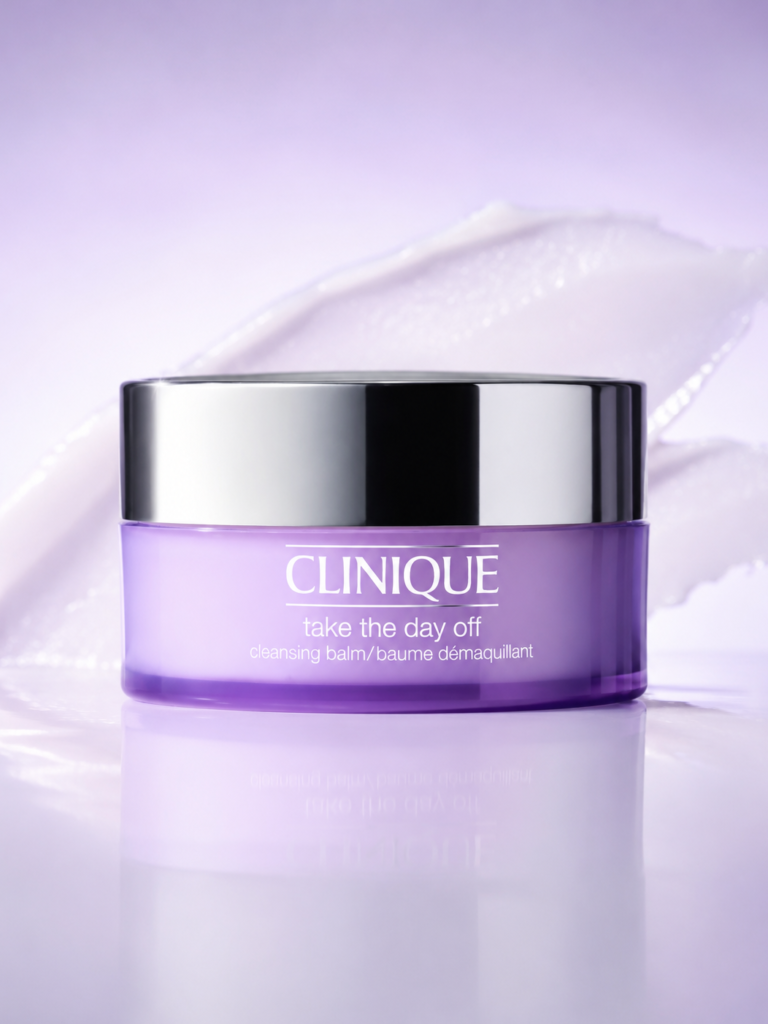
The one I use for this step is Clinique Take The Day Off Cleansing Balm Makeup Remover, it dissolves SPF and makeup completely and never leaves my skin feeling coated.
If you genuinely didn’t wear sunscreen or makeup that day, this step is optional, but on most days, it earns its place in the routine.
Step 2: Second Cleanse Actually Clean the Skin
Now that the surface is clear, your cleanser can do its actual job.
For oily and acne-prone skin, a gentle foaming or gel cleanser works well here something that removes excess oil and any remaining residue without leaving the skin feeling tight. That “squeaky clean” feeling that used to be considered a sign of a good cleanse? It’s not. It means the skin has been stripped, and stripped skin overproduces oil to compensate. That’s not a theory, it’s something you’ll notice pretty quickly if you switch to a milder formula.
This is also one of the most common over-cleansing traps: washing more aggressively hoping to get less oily skin. It works in the opposite direction every time.
What to look for: A gel or foaming cleanser for oily and acne-prone skin, without harsh sulfates or anything that causes tightness after rinsing. A low percentage of salicylic acid built into the formula is a useful bonus for keeping pores clearer over time.
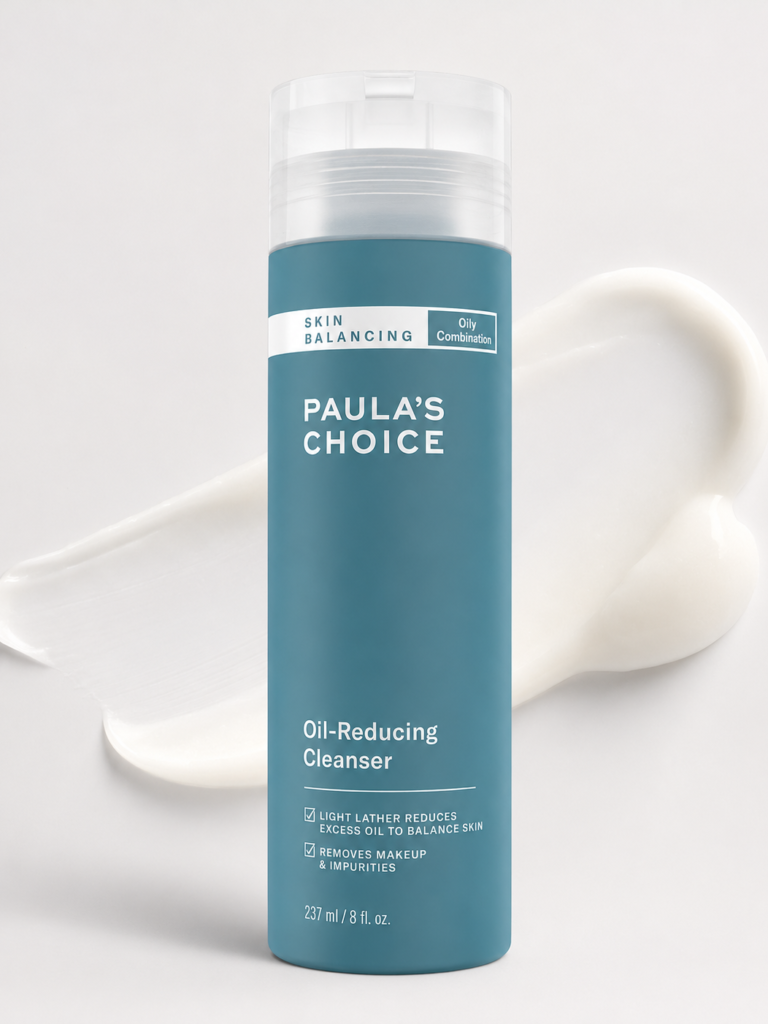
My go-to for this step is Paula’s Choice Skin Balancing Oil-Reducing Cleanser, effective, gentle, and it has never made my skin feel stripped.
If your cleanser leaves your skin tight, dry, or still greasy, you can also check my guide to the best cleansers for oily and acne-prone skin.
Step 3: Toner – Optional, But Useful Here
I don’t push toner as essential, but for oily and acne-prone skin, this is one of the routines where it actually earns its place.
A toner with niacinamide, witch hazel, or a low concentration of BHA can help refine pores, balance oil production, and prep the skin for what comes next. Apply with clean hands or a cotton pad whatever you prefer and let it settle for about 30 seconds before moving on.
Skip anything with alcohol high on the ingredients list. Alcohol-heavy toners dry the skin out aggressively, which signals the skin to produce more oil. It feels like a fix in the short term and makes things harder in the long term.
Step 4: Treatment – One Active, Used Well
This is the most important step in the evening routine, and also the one most people overcomplicate.
For oily and acne-prone skin, the two ingredients worth knowing deeply are retinol and exfoliating acids specifically BHAs like salicylic acid, or AHAs like glycolic or lactic acid. Both are genuinely effective. Both need to be used with some restraint.
The biggest mistake I see is using both in the same routine, or reaching for them every single night before the skin has adapted. Retinol and exfoliating acids should never be layered together that combination irritates even resilient skin. Instead, alternate them across the week. Retinol two or three nights, a BHA or AHA on a different night, and at least one night where the skin gets a complete break from both.
If you’re new to actives, start with just one. Salicylic acid is usually the better first choice for oily and acne-prone skin because it works inside the pore rather than just on the surface which makes it more targeted for congestion and breakouts specifically. Use it twice a week, see how your skin responds, and build from there.
For retinol, start slow two nights per week at most and give your skin four to six weeks to adapt before increasing frequency. The dryness and irritation that gives retinol its harsh reputation almost always comes from introducing it too fast. The full process is covered here: Retinol for beginners: How to start without irritation.
Apply your treatment to clean, dry skin. Slightly damp skin can intensify absorption which sounds like a good thing but often just means more irritation.
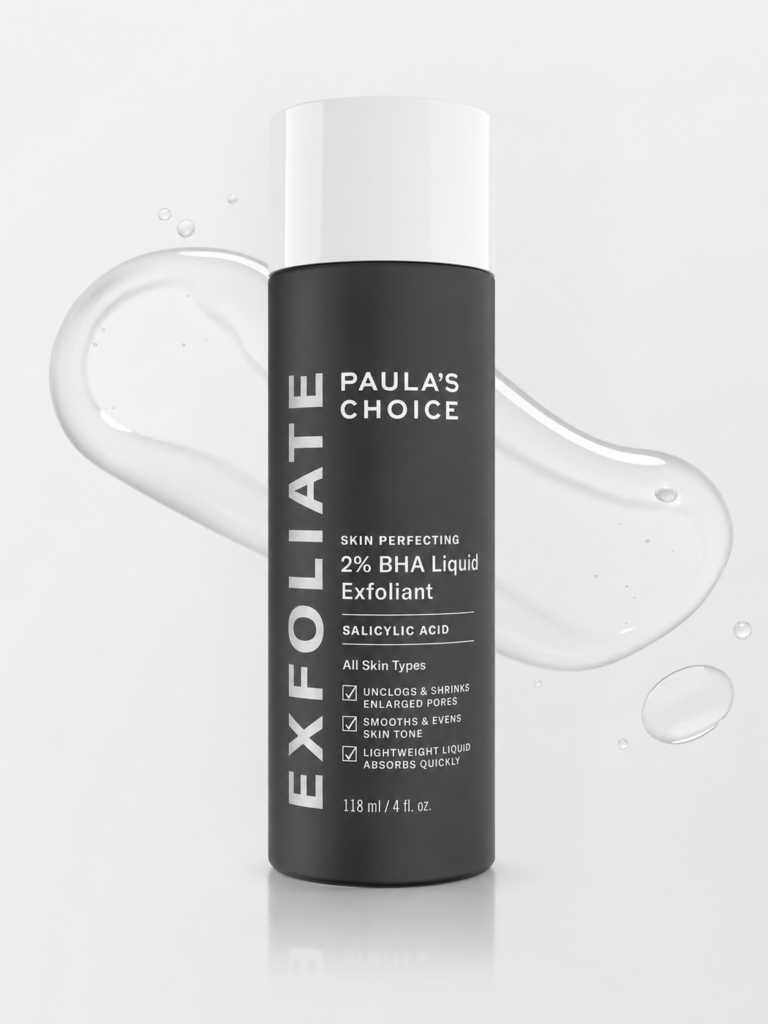
The salicylic acid treatment I reach for most is Paula’s Choice Skin Perfecting 2% BHA Liquid Exfoliant effective at clearing congestion and gentle enough to use consistently without the skin protesting.
Step 5: Serum – Hydration Is Not the Same as Oil
Here’s where people with oily skin often skip a step they actually need.
Oily skin can absolutely be dehydrated. Oil and water are not the same thing, and a shiny complexion doesn’t mean your skin has enough moisture in it. If your skin feels tight after cleansing, or looks dull even when it’s oily, dehydration is likely part of what’s happening.
A lightweight hydrating serum something with hyaluronic acid, niacinamide, or panthenol adds water back into the skin without any heaviness. Apply a few drops after your treatment has fully absorbed. This step is especially important on active nights, since both retinol and acids tend to be drying.
Step 6: Moisturizer – Yes, Even for Oily Skin
Every skin type needs moisturizer. Skipping it doesn’t make oily skin less oily, it usually makes it worse, for the same reason aggressive cleansing backfires. When the skin barrier is left without support overnight, it compensates by producing more sebum.
For oily and acne-prone skin, texture is everything. You want something that supports the skin barrier without sitting heavily on top or clogging pores. Gel moisturizers or lightweight water-cream formulas tend to work best.
If you’ve used a strong active that night, moisturizer also acts as a buffer, it calms the skin down and helps prevent the dry, flaky reaction that sometimes follows retinol or acids. One small technique worth trying: apply while the skin is still slightly damp from the serum. It helps seal everything in and feels more comfortable than applying to completely dry skin.
What a Full Routine Actually Looks Like
On a retinol night:
Cleansing oil → Gel cleanser → Toner → Retinol → Hydrating serum → Lightweight moisturizer
On a BHA/AHA night:
Cleansing oil → Gel cleanser → Toner → Salicylic acid or exfoliating toner → Hydrating serum → Lightweight moisturizer
On a rest night (at least once or twice a week):
Cleansing oil → Gel cleanser → Toner → Hydrating serum → Moisturizer
That’s it. No spot treatment stacked on top of retinol, no three actives in the same evening, no skipping moisturizer because the skin “feels oily enough.” Just a clean, intentional sequence-done consistently.
A Few Things Worth Knowing
Purging is real, but it has limits. When you first start using retinol or acids, you might experience a breakout that feels worse than what you started with. This is often the skin cycling through congestion that was already there beneath the surface. It usually settles within four to six weeks. If it’s been longer than that, or the irritation feels like raw, burning skin rather than just some new breakouts, that’s not purging that’s a product your skin doesn’t agree with, and it’s okay to step back.
Spot treatments, if you use them, go on after serum and before moisturizer. Benzoyl peroxide works best as a standalone it doesn’t play well with most other actives, so on nights you use it, keep everything else in the routine simple.
If your skin suddenly becomes reactive – sensitive to products it used to tolerate, breaking out in new places, or perpetually uncomfortable, the barrier may need repair before actives can work properly. This covers exactly what to look for and how to fix it: How to know if your skin barrier is damaged and how to fix it.
Consistency matters more than perfection. A simple three-step routine done every night will always outperform a ten-step routine done three times a week when the motivation is there. The skin responds to rhythm. Give it one.
The Part That Actually Makes It Work
Oily and acne-prone skin has a reputation for being difficult. In reality, it just needs to be treated more thoughtfully, not more aggressively. The goal of an evening routine isn’t to strip the skin clean or force it into submission. It’s to give it what it needs to repair, rebalance, and show up calmer the next morning.
If you’re still building your foundation, My simple AM & PM skincare routine for glowing skin walks through the essential steps for balanced, healthy skin. And if you’re unsure about the logic behind product layering, Skincare routine order: How to layer your products the right way explains exactly why sequence matters as much as the products themselves.