

Salicylic acid is one of the most effective ingredients in skincare for blackheads, breakouts, congestion, and oily skin. It’s also one of the most commonly misused and that misuse is the reason so many people end up with dry, flaky, irritated skin and assume the ingredient just doesn’t work for them.
The truth is that salicylic acid works extremely well when used correctly. The issue is almost never the ingredient itself, it’s the concentration, the frequency, or what it’s being combined with. This guide covers exactly how salicylic acid works, how to use it without overdrying, and how to get real results without trashing your skin barrier along the way.
Affiliate disclosure: This post contains affiliate links. As an Amazon Associate, I earn from qualifying purchases at no extra cost to you.
What Is Salicylic Acid?
Salicylic acid is a beta-hydroxy acid (BHA) a type of chemical exfoliant. The most important thing to know about it is that it’s oil-soluble, which means it can penetrate inside the pore and work from within. Most other exfoliants including AHAs like glycolic and lactic acid are water-soluble and work on the surface of the skin. Salicylic acid goes deeper.
This is why it’s the gold standard for blackheads and breakouts. The blockage that creates a blackhead or pimple lives inside the pore, and salicylic acid is one of the only OTC ingredients that can reach it directly.
What it does:
- Penetrates inside the pore to break down blockages
- Exfoliates dead skin cells on the surface
- Has anti-inflammatory properties (helpful for inflamed breakouts)
- Regulates oil production with consistent use over time
- Improves overall skin texture and clarity
BHA vs AHA – Which One Do You Need?
This is one of the most common questions when starting with chemical exfoliants, and the answer comes down to what you’re trying to address.
Use BHA (salicylic acid) if:
- You have blackheads or congestion
- You’re acne-prone or have oily skin
- You break out in clogged pores
- You want something that works inside the pore
Use AHA (glycolic, lactic acid) if:
- Your main concern is uneven tone or pigmentation
- You’re dealing with dullness or rough texture on the surface
- Your skin is normal-to-dry rather than oily
- You’re not specifically targeting congestion
Many routines benefit from both, but not in the same evening, and not without careful introduction. For blackhead-prone skin specifically, BHA is the better starting point. The full guide on clearing blackheads with BHA: How to Get Rid of Blackheads (And Keep Them from Coming Back).
How Salicylic Acid Causes Dryness (And Why)
This is the part that catches almost every beginner off guard. Salicylic acid is effective specifically because it exfoliates, but exfoliation, by definition, accelerates the shedding of skin cells. Used correctly, that’s a feature. Used too aggressively or too often, it strips the skin faster than the barrier can rebuild.
The signs of overdrying from salicylic acid:
- Flakiness, especially in patches around the nose or chin
- Tightness after cleansing or applying products
- Skin that stings when you apply your moisturizer
- A “thinner” looking surface, sometimes with visible redness
- New sensitivity to ingredients you used to tolerate
These symptoms aren’t a sign that salicylic acid isn’t working, they’re a sign that you’re using too much of it. The fix isn’t to switch ingredients. The fix is to use less.
How to Start Using Salicylic Acid Without Overdrying
Start with the Right Concentration
Salicylic acid in OTC skincare typically comes in three concentrations:
0.5% gentle introduction, good for very sensitive skin or weekly use 1% moderate strength, good for daily or near-daily use 2% maximum OTC strength, good for two to three times per week
For beginners, 2% used two to three times per week is the most common starting point. It’s effective enough to deliver visible results without overwhelming the skin. If your skin is sensitive or you’ve reacted to acids before, start with 1% or 0.5% instead.
Higher concentrations don’t mean faster results; they mean a higher likelihood of irritation that often makes people give up before they see anything.
Build Up Slowly
The most common mistake is using salicylic acid every night from the start. Your skin needs time to adapt to chemical exfoliation, and ramping up too fast is what causes the over-drying and barrier damage most beginners experience.
A realistic introduction schedule:
Week 1: Once, on a single evening. Watch how your skin responds.
Week 2: Two evenings, spaced out (e.g., Monday and Thursday).
Week 3: Three evenings, alternating with rest nights.
Week 4 onwards: If your skin is comfortable, you can build up to nightly use over the following weeks, but most people don’t need that frequency for results.
Apply to Dry Skin
After cleansing, wait until your skin is completely dry before applying salicylic acid. Damp skin increases absorption, which sounds positive but often just increases irritation. Dry skin gives you more controlled absorption and a gentler experience.
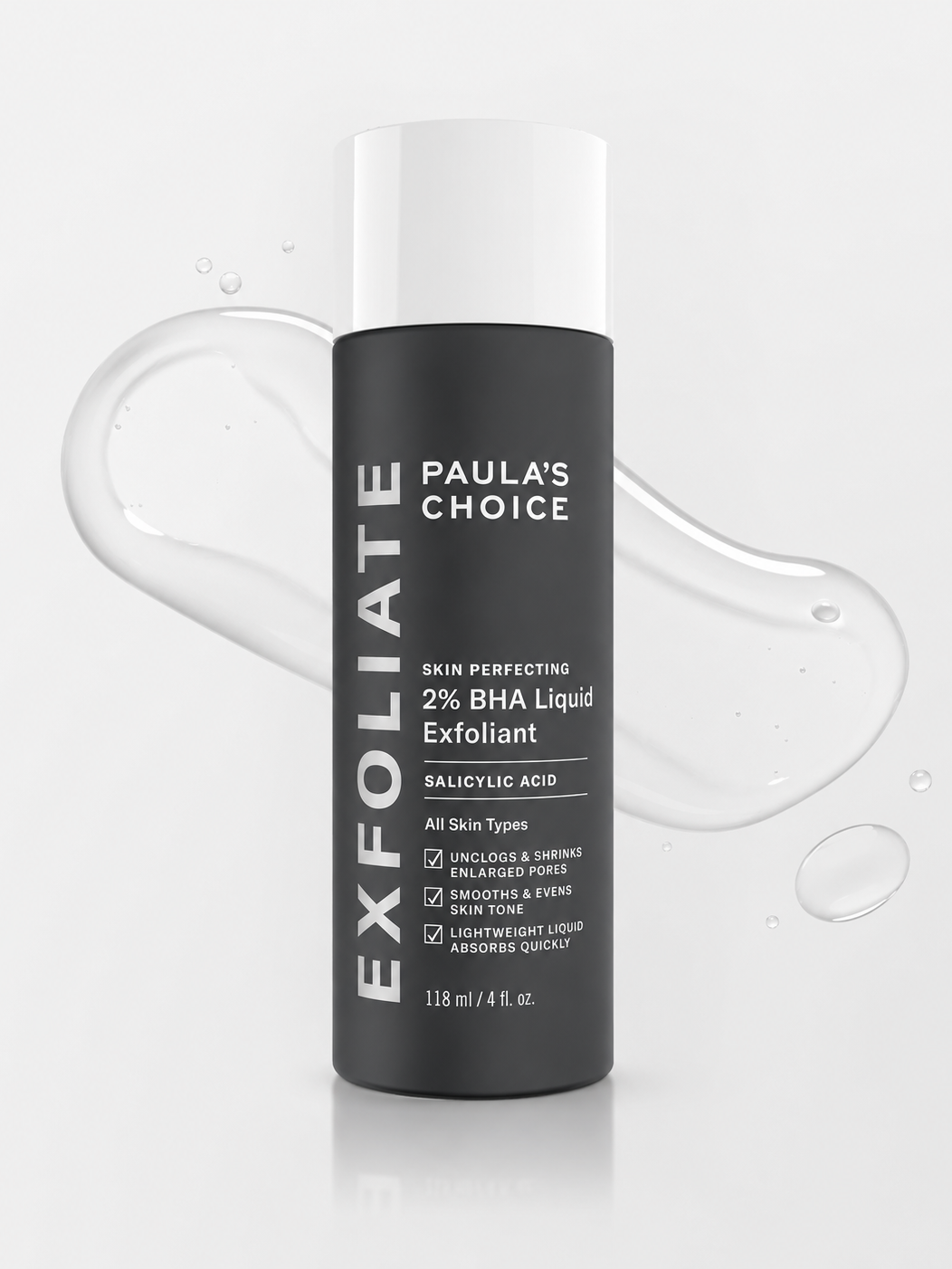
The BHA I use consistently is Paula’s Choice Skin Perfecting 2% BHA Liquid Exfoliant that’s cleared my blackheads more reliably than anything else, and gentle enough that I can use it most nights without irritation.
Always Follow with Moisturizer
This is non-negotiable. Salicylic acid increases water loss from the skin, and going to bed with BHA on your face and nothing else is a fast track to dryness. Apply your moisturizer immediately after the BHA absorbs usually one to two minutes and don’t skip this step even if your skin feels fine without it. The barrier support matters most before you can feel that it’s needed.
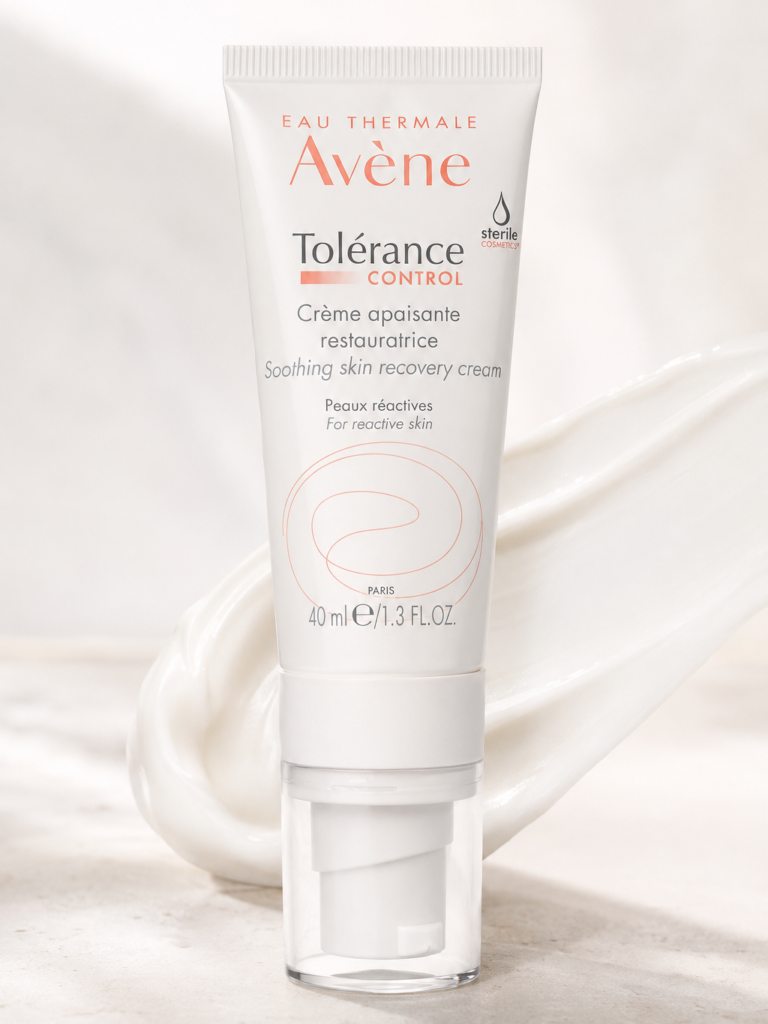
The moisturizer I use on BHA nights is Avène Tolerance Control Soothing Skin Recovery Cream barrier-supportive, calming, and gentle enough that my skin never feels reactive in the morning even after exfoliation the night before.
Where Does Salicylic Acid Go in Your Routine?
Salicylic acid goes on after cleansing, on dry skin, before moisturizer. It’s evening only using it in the morning is fine in principle, but most people get better results pairing it with retinol-free evenings and using their morning routine for vitamin C and SPF instead.
Evening routine order: Cleanser → salicylic acid (on dry skin) → moisturizer
For the full breakdown of how every product type layers correctly: Skincare Routine Order: How to Layer Your Products the Right Way.
What Not to Combine with Salicylic Acid
Retinol – Not in the Same Evening
This is the most common over-stacking mistake. Salicylic acid and retinol are both effective, and both increase cell turnover. Combining them in the same evening doesn’t double your results, it doubles your irritation.
The right approach is to alternate nights. BHA on Monday and Thursday, retinol on Tuesday and Friday, niacinamide or rest nights in between. The full guide on layering actives: How to Layer Niacinamide, Vitamin C, and Retinol Without Conflict.
AHAs (Glycolic, Lactic Acid) – Not Together
Salicylic acid and AHAs are both chemical exfoliants. Layering them in the same routine is far too much exfoliation for the skin to handle, and it’s one of the fastest ways to damage the barrier. If you want to use both, alternate nights never combine them in a single session.
Benzoyl Peroxide – Use Strategically
Benzoyl peroxide and salicylic acid can be used in the same routine, but typically not at the same time of day. Many acne routines pair benzoyl peroxide in the morning with salicylic acid in the evening, with niacinamide for barrier support on alternate nights.
Vitamin C – Generally Fine, but Watch Your Skin
Vitamin C in the morning and salicylic acid at night is fine for most skin. If you’re using them in the same routine, vitamin C in the morning, BHA in the evening make sure you’re applying moisturizer between them and following with SPF in the morning to support the barrier through the increased exfoliation.
How to Avoid Overdrying – The Practical Framework
Beyond the basics, a few specific habits make the difference between salicylic acid that works and salicylic acid that wrecks your skin.
Pair it with barrier-supportive ingredients. Niacinamide layered into your morning routine, or in your moisturizer supports the barrier while BHA does its work in the evening. Ceramides in your moisturizer help replace what salicylic acid accelerates shedding. For the full breakdown of barrier-supportive ingredients: Niacinamide: What It Does for Your Skin and How to Use It the Right Way.
Take rest nights seriously. Nights without any active ingredients give your skin a chance to repair. Two to three rest nights per week is realistic for most people using BHA regularly.
Watch for early signs and back off immediately. If your skin is showing any of the overdrying symptoms above, don’t push through reduce frequency immediately. The cost of pushing through is barrier damage that takes weeks to repair. The signs of barrier damage and how to fix it: How to Know If Your Skin Barrier Is Damaged and How to Fix It.
Use a richer moisturizer on BHA nights. A barrier-supportive moisturizer applied generously after BHA prevents the bulk of the dryness most people experience.
Don’t combine with physical exfoliation. Scrubs, exfoliating brushes, and rough washcloths on top of BHA is over-exfoliation almost guaranteed.
How Long Until You See Results?
Salicylic acid is one of the faster-acting ingredients in skincare, which is part of why it’s so satisfying to use, but the timeline varies depending on what you’re treating.
Week 1-2: Visible reduction in surface congestion and small breakouts. Skin texture often looks slightly smoother.
Week 3-6: Blackheads start to clear noticeably, and the formation of new ones slows down. Skin tone often looks more even.
Week 8 and beyond: The cumulative effects on pore appearance, oil regulation, and overall clarity become clearly visible. This is when most people decide the routine is working.
Consistency matters more than aggression. Using BHA two to three nights a week consistently for three months produces far better results than using it nightly for two weeks and then stopping because the skin reacted.

When Salicylic Acid Isn’t the Right Choice
Most skin tolerates salicylic acid well at the right frequency, but a few situations call for caution.
Pregnancy and breastfeeding. High concentrations of salicylic acid are typically avoided during pregnancy. Check with your doctor before using it during these periods, even at OTC concentrations, this is one of the ingredients dermatologists usually want to discuss.
Highly sensitive or rosacea-prone skin. Salicylic acid can be too irritating for very reactive skin. Azelaic acid is often a gentler alternative for these skin types.
Compromised skin barrier. If your skin is currently irritated, flaky, or reactive from over-exfoliation or aggressive treatment, BHA is the last thing it needs. Address barrier repair first, then reintroduce salicylic acid carefully once your skin is stable.
The Part Most People Skip
Salicylic acid is one of the most rewarding ingredients in skincare when used correctly and one of the most punishing when overused. The single most important thing you can take from this guide is that more is not better. A 2% formula used three nights a week with a good moisturizer outperforms a 2% formula used every night without barrier support every single time.
Start slow. Build up only if your skin can handle it. Always follow with moisturizer. Take rest nights. And give it weeks, not days, to show you what it can do.
For a complete morning and evening routine framework that incorporates BHA alongside everything else, My Simple AM & PM Skincare Routine for Glowing Skin is the right place to start.