
There’s a moment most skincare beginners have with retinol you’ve read all the rave reviews, you finally buy a bottle, you use it for a week, and then your skin starts peeling, stinging, or breaking out in places it never did before. And suddenly you’re wondering if this famous ingredient is actually just not for you.
Here’s what most guides don’t tell you upfront: that reaction is almost never about your skin type. It’s almost always about how retinol was introduced. The ingredient itself isn’t the problem. The approach is.
Retinol genuinely is one of the most well-researched ingredients in skincare, it can improve texture, support clearer-looking skin, help with early signs of aging, and work through several concerns at once. But it requires a slow, deliberate start, and skipping that part is exactly why so many people end up irritated, frustrated, or convinced that retinol just isn’t for them.
If you’re still building your core routine and not quite sure what products you need before adding an active ingredient, My simple AM & PM skincare routine for glowing skin is a good place to start. Once you have a solid foundation, retinol becomes a much easier addition.
Affiliate disclosure: This post contains affiliate links. As an Amazon Associate, I earn from qualifying purchases at no extra cost to you.
What Is Retinol and Why Do So Many People Use It?
Retinol is a form of vitamin A, and it works by encouraging your skin to turn over cells more quickly. That process is what drives most of its benefits it helps move dull, congested surface skin out of the way and supports the production of healthier-looking skin underneath.
People reach for retinol when they’re dealing with uneven texture, dull or tired-looking skin, clogged pores, breakouts, post-acne marks, or the early signs of fine lines. The reason it’s so widely recommended is that it addresses several of these concerns through a single mechanism, rather than needing a separate product for each issue.
That same mechanism is also why retinol needs to be introduced carefully. Speeding up cell turnover sounds straightforwardly positive, but when the skin isn’t used to it, the process can outpace the skin’s ability to keep up and that’s when you get the dryness, tightness, and sensitivity that gives retinol its reputation for being harsh.
The ingredient isn’t harsh. Starting with too much, too fast, is harsh.
Why Retinol Causes Irritation for Beginners (And How to Avoid It)
Most retinol irritation comes down to a few predictable mistakes, and understanding them makes it much easier to avoid them.
The most common one is starting with daily use. It feels logical if something works, using it every night should make it work faster, right? But retinol doesn’t really function that way. Your skin needs time between applications to adjust, and pushing it into daily use before it’s ready is one of the most reliable ways to end up with a damaged skin barrier.
The second big one is layering retinol with other strong actives in the same routine. Exfoliating acids glycolic, lactic, salicylic are effective ingredients on their own, but combining them with retinol before your skin has adapted to either is putting a lot of stress on your barrier at once. Even if you tolerate both ingredients separately, using them together in the beginning is often too much.
And then there’s the amount. Most people apply more than they need to, assuming more product means faster results. With retinol, more product usually just means more irritation, not more benefit.
Start slow, use less than you think you need, and keep everything else in your routine as simple as possible while you’re adjusting.
How to Start Retinol Without Irritation
Choose a Low-Strength Formula
If you’re new to retinol, there’s no reason to start at a higher concentration. Lower-strength formulas typically 0.025% to 0.1% give your skin time to adjust without as much risk of irritation. Many of them are also formulated in ways that release the retinol more gradually, which makes the transition even gentler.
Stronger is not better when you’re starting out. What you’re looking for is a concentration your skin can tolerate consistently, not the highest number on the label. For beginners, the most important thing is choosing a low-strength retinol, that’s formulated to be gentle and easy to tolerate.
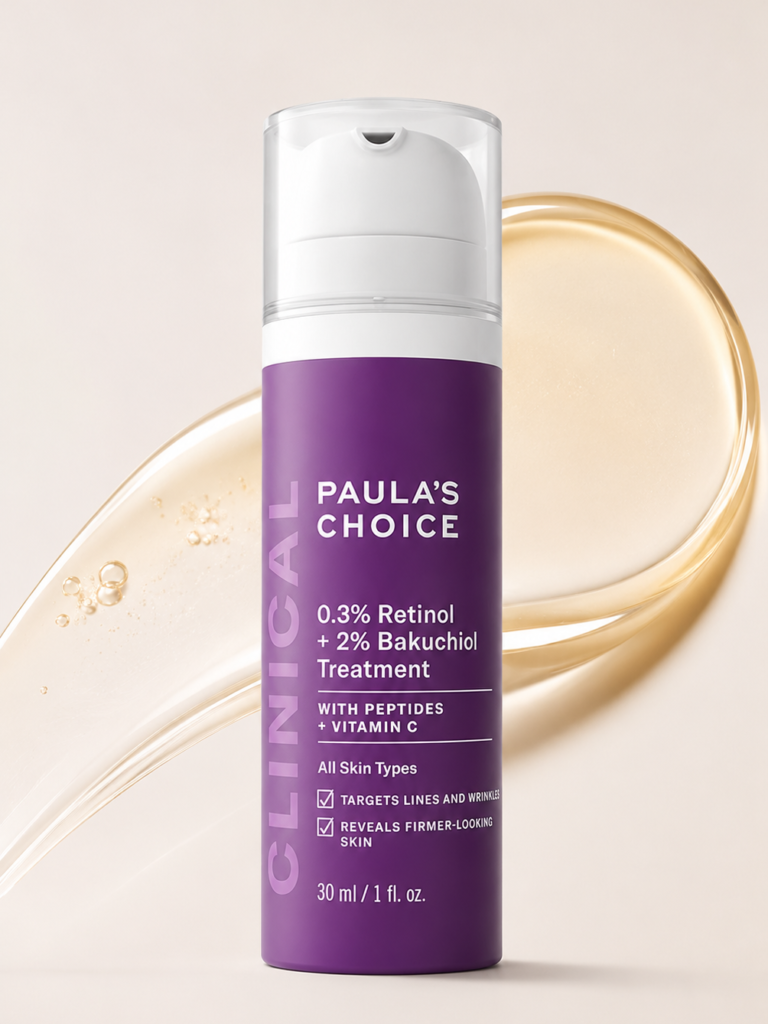
A beginner-friendly option that fits these criteria is Paula’s Choice CLINICAL 0.3% Retinol.
If you’re looking for more retinol options, check out my separate guide with the top 5 retinol products worth considering – Best RETINOL products for beginners in 2026.
Use It Only Once or Twice a Week at First
This is probably the most important thing to get right in the beginning. For the first two to four weeks, once or twice a week is genuinely enough. It might feel like that’s too infrequent to make a difference, but your skin is still responding and adjusting on the nights you don’t use it.
Once you’ve been using it for a few weeks without any significant irritation, you can add a third night and see how your skin responds. That kind of gradual buildup is what makes retinol sustainable as a long-term part of your routine.
Apply to Dry Skin
After cleansing, wait a few minutes before applying retinol. Skin that’s still slightly damp absorbs actives more readily, which can increase irritation especially in the beginning when your skin hasn’t yet built up any tolerance. Completely dry skin is the safer starting point.
Use a Pea-Sized Amount for Your Whole Face
A small amount spread evenly across the face is all you need. Applying more doesn’t speed up results; it just increases the chance of irritation, particularly around drier or more sensitive areas like the corners of the nose and mouth. Dot it across the face and blend gently rather than layering on a thick application.
The Best Beginner Retinol Routine
A retinol routine for beginners should be as uncomplicated as possible. The more active ingredients you have competing in the same routine, the harder it is to know what’s working and what’s causing a reaction and the more you’re asking of your skin barrier all at once.
The product order matters too, especially when you’re using active ingredients. If you want a complete breakdown of how to layer everything correctly, Skincare routine order: How to layer your products the right way walks through it step by step.
Step 1: Cleanser Use a gentle cleanser to remove the day without stripping your skin. Nothing with physical scrub particles or strong surfactants.
Step 2: Optional: Light moisturizer before retinol If your skin leans dry, sensitive, or reactive, applying a thin layer of moisturizer before retinol sometimes called the sandwich method helps buffer the skin and reduces the chance of irritation. This is especially useful in the first few weeks.
Step 3: Retinol Apply a pea-sized amount to dry skin, avoiding the immediate eye area and the corners of the nose and mouth if those spots tend to get irritated.
Step 4: Moisturizer Not optional. It counteracts dryness and keeps your barrier in better shape while skin adjusts. On retinol nights, a simple, barrier-supporting moisturizer makes a noticeable difference in how your skin feels by morning. Look for formulas with ingredients like ceramides, glycerin, or panthenol.
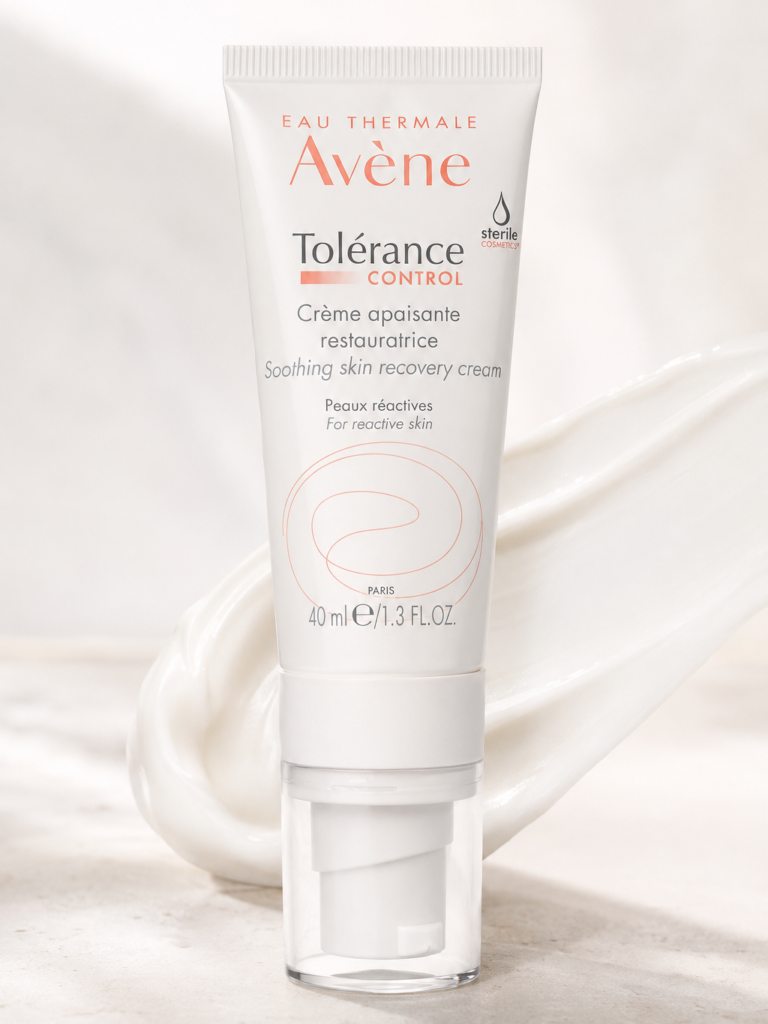
A good example of this type of moisturizer is Avène Tolerance Control Soothing Skin Recovery Cream.
If your skin feels tight, irritated, or over-exfoliated, I also rounded up the best moisturizers for a damaged skin barrier in 2026.
What Not to Mix with Retinol (Especially as a Beginner)
A few combinations are worth knowing upfront, because they’re easy to fall into without realizing it.
Exfoliating acids glycolic acid, lactic acid, salicylic acid should not be used in the same routine as retinol while you’re still adjusting. If you already use these and don’t want to give them up, alternate them on different nights. Retinol on Tuesday and Friday, acids on Thursday, for example.
Benzoyl peroxide can also be too much alongside retinol, particularly for sensitive or acne-prone skin that’s already working through adjustment.
Multiple active serums in the same routine is a general thing to avoid when you’re starting retinol. Keep the rest of your evening routine calm and supportive, and let retinol be the one active ingredient you’re introducing.
How Often Should Beginners Use Retinol?
Building up slowly is what allows retinol to become a regular, effective part of your routine without constantly irritating your skin. A realistic schedule for most beginners looks something like this:
Weeks 1-2: Once a week. Let your skin get familiar with the ingredient before increasing frequency.
Weeks 3-4: Twice a week. If you had no significant irritation in the first two weeks, this is a comfortable next step.
Weeks 5-8: Two to three times a week, if your skin feels settled and comfortable.
Some people’s skin adapts faster than this timeline, and some need longer. Neither of those is a problem. The pace of your skin’s adjustment is more important than following a specific schedule.
Is Retinol Purging Real? And How Do You Tell the Difference?
Purging is a real phenomenon when retinol speeds up cell turnover, it can bring congestion already forming beneath the skin to the surface faster. This looks like small breakouts in areas where you already tend to break out, and it usually settles within four to six weeks.
Irritation is different: redness, rawness, burning, painful tightness, or sensitivity that keeps getting worse rather than improving. If you’re experiencing those symptoms, the right response is not to push through. Reduce frequency, simplify the routine, and focus on barrier repair first. The signs of barrier damage and how to address them are covered here: How to know if your skin barrier is damaged and how to fix it.
The Most Common Retinol Mistakes (And Why They Happen)
Starting with daily use. It’s the most common mistake, and it comes from the idea that more is always better. With retinol, consistency over time matters far more than frequency in the short term.
Pairing it with too many other actives. A lot of people already have a full routine when they add retinol, and they don’t want to simplify anything. But the adjustment period genuinely goes better when you reduce other potential sources of irritation temporarily.
Skipping moisturizer. Moisturizer is doing real work here, not just adding an extra step. It helps your skin retain hydration while it’s adjusting to increased cell turnover, and it supports barrier function throughout the process.
Expecting visible results within a week or two. Retinol is not a fast-acting ingredient. If you’re not seeing changes in the first few weeks, that doesn’t mean it isn’t working. It means your skin is doing the slower, less visible work of adjusting and rebuilding.
Using too much product. A little goes a long way, and this is one of those cases where that’s genuinely true. A pea-sized amount spread across the whole face is the standard recommendation for a reason.
How Long Does Retinol Take to Work?
Retinol requires patience, and having a realistic idea of the timeline helps you stay consistent rather than giving up too soon.
In the first two to four weeks, your skin is mostly just adjusting. You might notice some dryness or slight texture changes, but nothing dramatic and that’s completely normal.
By six to eight weeks, many people start to see their skin texture becoming smoother and their complexion looking a bit more even. These changes tend to be subtle at first.
The more significant improvements in tone, clarity, and overall skin appearance typically become noticeable at the three-month mark and beyond. Retinol is a long game, but it’s one that pays off with consistent, careful use.
Don’t Skip Sunscreen the Morning After Retinol
This is the one step that absolutely cannot be optional when you’re using retinol and it’s worth saying clearly rather than assuming everyone already knows.
Retinol increases cell turnover, which means fresh skin gets exposed more quickly than usual. That new skin is more vulnerable to UV damage, sun exposure while using retinol can worsen dark spots, increase sensitivity, and undo the progress you’re working toward.
Retinol at night, SPF every single morning. Broad-spectrum SPF 30 minimum, SPF 50 is the better choice. This applies in winter, on cloudy days, and indoors near windows.
Since retinol makes your skin more sensitive to the sun, daily sunscreen becomes non-negotiable.
Look for a broad-spectrum SPF 30 or higher that feels comfortable enough to use every day.
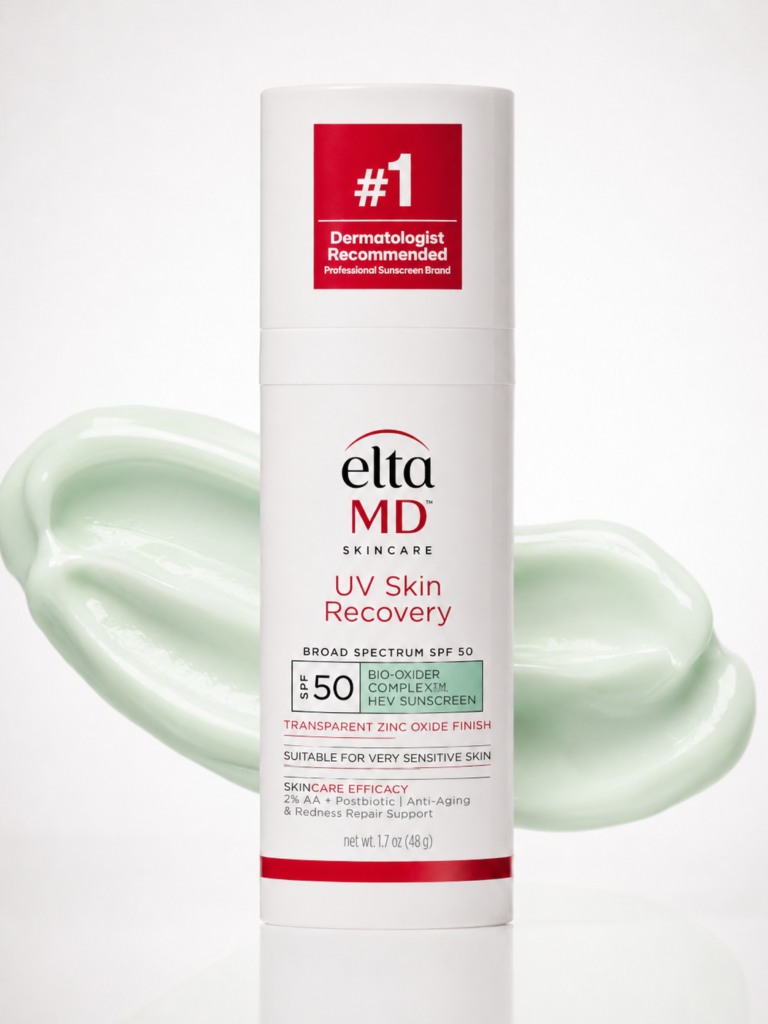
A lightweight option that works well for daily use is EltaMD UV Skin Recovery Face Sunscreen.
Who Should Be Cautious with Retinol?
If your skin barrier is currently compromised chronically dry, reactive, or already irritated the priority should be repairing the barrier before adding any active ingredient. Retinol on an already-struggling skin barrier almost always leads to more irritation, not improvement.
Very sensitive skin may need a more extended adjustment period, smaller amounts, or a gentler formula than most recommendations suggest. Starting even more slowly than the general timeline, and paying close attention to how your skin responds, is always the better approach over following a generic schedule rigidly.
One more important note: retinol is not recommended during pregnancy or breastfeeding. If you’re pregnant, trying to conceive, or nursing, it’s best to pause retinol entirely and speak with your doctor or dermatologist about safer alternatives for this period. This applies to all forms of vitamin A derivatives in skincare, not just retinol specifically.
A Simple Weekly Retinol Routine for Beginners
Thinking in terms of a weekly pattern rather than a nightly to-do list can make the whole process feel more manageable. Here’s an example of what a balanced week could look like in the early stages:
Monday: Basic cleanse, moisturizer
Tuesday: Retinol night
Wednesday: Hydration-focused routine (no actives)
Thursday: Basic cleanse, moisturizer
Friday: Retinol night
Saturday: Hydration and barrier support
Sunday: Rest, simple cleanse and moisturizer
If your skin tends to be oily or acne-prone, you can keep your non-retinol evenings simple with a Night skincare routine for oily and acne-prone skin, then bring in retinol on designated nights only. That structure keeps your skin balanced without overloading it.
The Most Important Thing Is Starting Slowly
Retinol earns its reputation, but only when it’s introduced with enough patience to let it actually work.
The approach that consistently gets the best results for beginners is not the most aggressive one. It’s the most consistent one: a low strength, a couple of nights a week, a simple routine around it, and enough time to let the skin adjust at its own pace.
You don’t need to earn your skin’s tolerance by pushing through irritation. You don’t need a high-percentage formula to see real results. And you don’t need a complicated routine you need a calm one that you can stick with for months at a time.
Start gently, give your skin the time it needs, and the results will follow.