Vitamin C is one of the most useful ingredients for skin that looks dull, uneven, or tired. It can help support a brighter-looking complexion, soften the look of post-acne marks, and give your morning routine antioxidant support against daily environmental stressors, especially when you use it consistently alongside sunscreen.
But not every vitamin C serum is right for every skin type. Some formulas are stronger and more active. Others are gentler, slower, and better suited for sensitive skin. The best choice isn’t always the strongest one, it’s the one your skin can tolerate and that you’ll actually use consistently.
The serums below are organized by budget, skin type, and formula strength, so there’s a formula here that may fit your routine, whether you’re just starting with vitamin C, have sensitive skin, or are ready to step up to something more active.
Affiliate disclosure: This post contains affiliate links. As an Amazon Associate, I earn from qualifying purchases at no extra cost to you.
Best Drugstore Pick: L’Oréal Revitalift Clinical 12% Pure Vitamin C Serum
L’Oréal Revitalift Clinical 12% Pure Vitamin C Serum is a good option if you want a widely accessible pure vitamin C formula without immediately jumping to a more expensive treatment. With 12% pure vitamin C, it sits between very gentle derivative-based serums and stronger 15% formulas, making it a practical step up for dull, uneven-looking skin.
Who it’s for: Anyone who wants a drugstore vitamin C serum with a meaningful concentration of pure vitamin C, especially if dullness, uneven-looking tone, and lack of radiance are the main concerns.
What I like: The 12% concentration is strong enough to make this feel like a serious vitamin C treatment without going straight to a higher-strength 15% formula. It is a good middle ground for someone who wants more than a gentle vitamin C derivative but is not ready to invest in a premium serum.
What to know: Because this uses pure vitamin C rather than a gentler derivative, sensitive or reactive skin should introduce it gradually. Start a few mornings per week and increase frequency only if your skin stays comfortable. Apply it to clean, dry skin and follow with moisturizer and sunscreen.
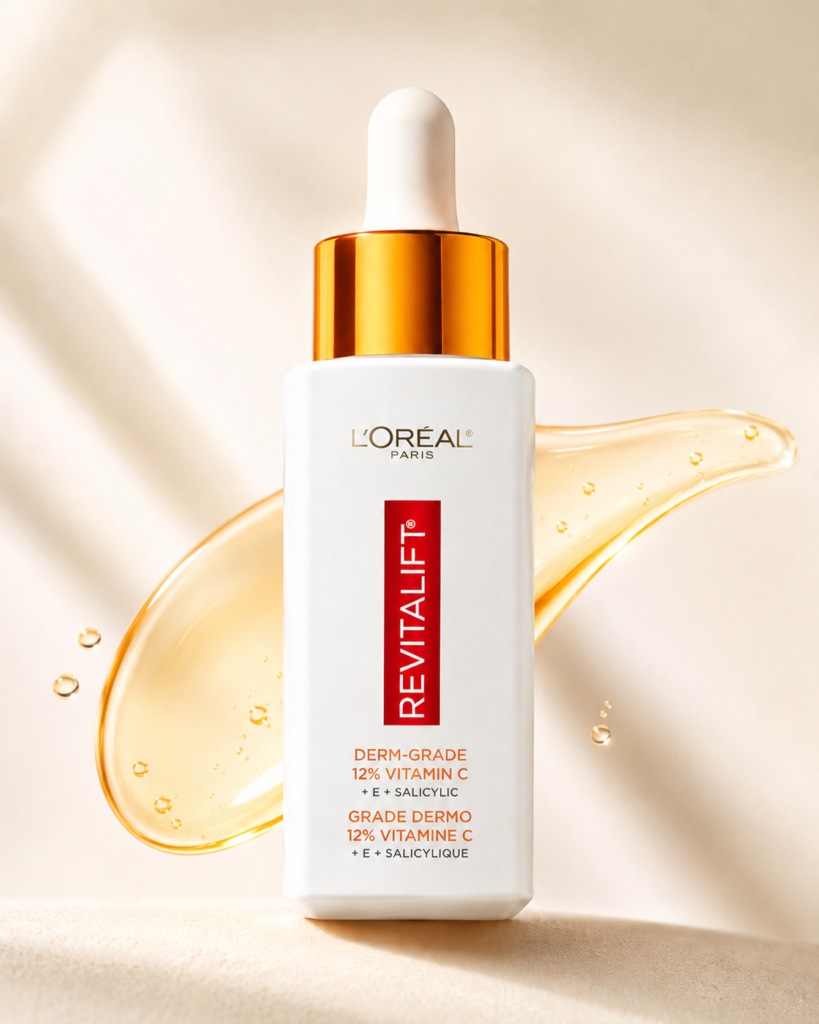
Find it here: L’Oréal Revitalift Clinical 12% Pure Vitamin C Serum
Best for Sensitive Skin: TruSkin Vitamin C Serum
For anyone with sensitive, reactive, or barrier-compromised skin, L-ascorbic acid is often too aggressive, even at low concentrations. TruSkin uses sodium ascorbyl phosphate (SAP), a gentler derivative that converts to active vitamin C in the skin and delivers brightening effects without the stinging that L-ascorbic acid can cause.
Who it’s for: Sensitive or redness-prone skin, anyone who’s reacted to vitamin C serums before, or beginners who want the gentlest possible introduction.
What I like: TruSkin combines SAP with hyaluronic acid and botanical extracts that support hydration alongside brightening. The formula tends to be well-tolerated even by skin that doesn’t usually handle actives well, and it’s one of the more popular affordable vitamin C options, especially for people who want a gentler formula.
What to know: Because it uses a derivative rather than pure ascorbic acid, results build more gradually than with stronger formulas. Most people see noticeable brightening after six to eight weeks of daily use. The bottle is dropper-style, store it somewhere cool and dark to maximize freshness.
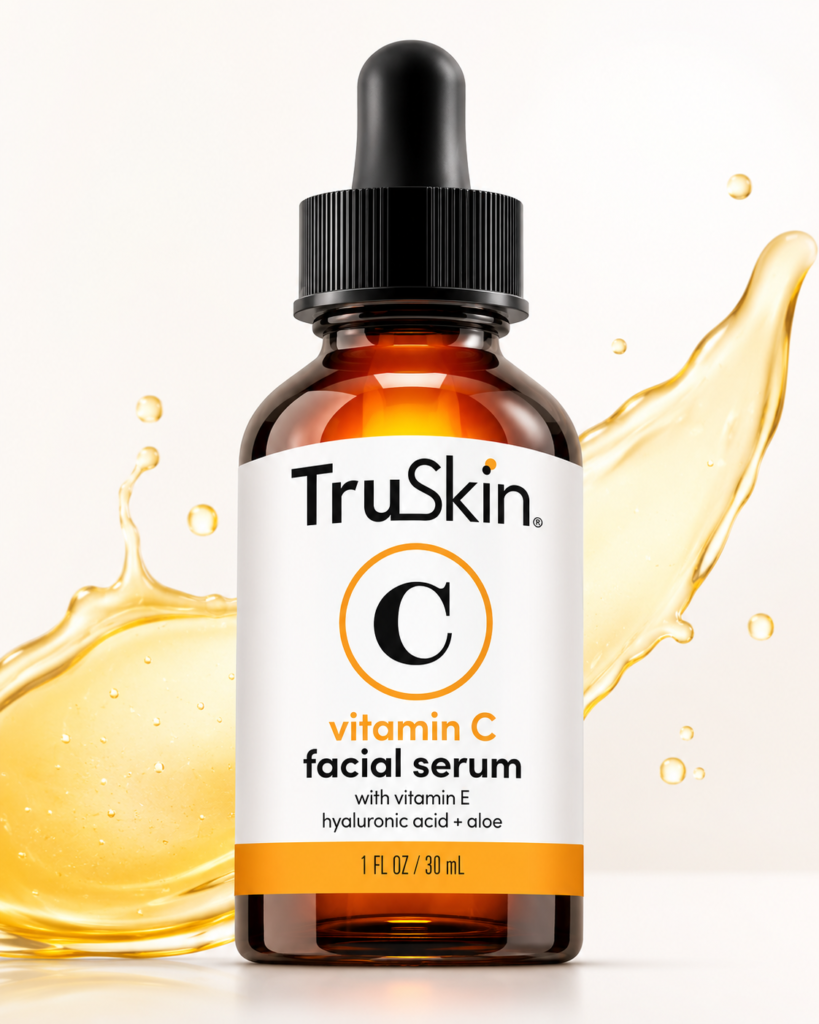
Find it here: TruSkin Vitamin C Serum
Best Mid-Range: Mad Hippie Vitamin C Serum
Mad Hippie has built a quiet but loyal following with this serum, and the formulation explains why. It uses sodium ascorbyl phosphate as its primary form of vitamin C, same gentle derivative as TruSkin, but pairs it with a stronger antioxidant complex including vitamin E, ferulic acid, and konjac root.
Who it’s for: Anyone who wants a step up from beginner formulas without jumping straight to high-concentration L-ascorbic acid. Particularly good for skin that wants brightening plus antioxidant protection but doesn’t tolerate stronger forms.
What I like: Because it uses sodium ascorbyl phosphate, it’s generally easier to keep stable than many pure L-ascorbic acid formulas. The texture is lightweight and absorbs quickly, layers well under makeup, and the antioxidant complex can support the brightening effect over time. The brand notes it’s formulated to suit a range of skin types, including sensitive, dry, combination, and oily.
What to know: Priced higher than budget options, but the formulation justifies it. Best for people who’ve already used a budget vitamin C and want something more comprehensive.
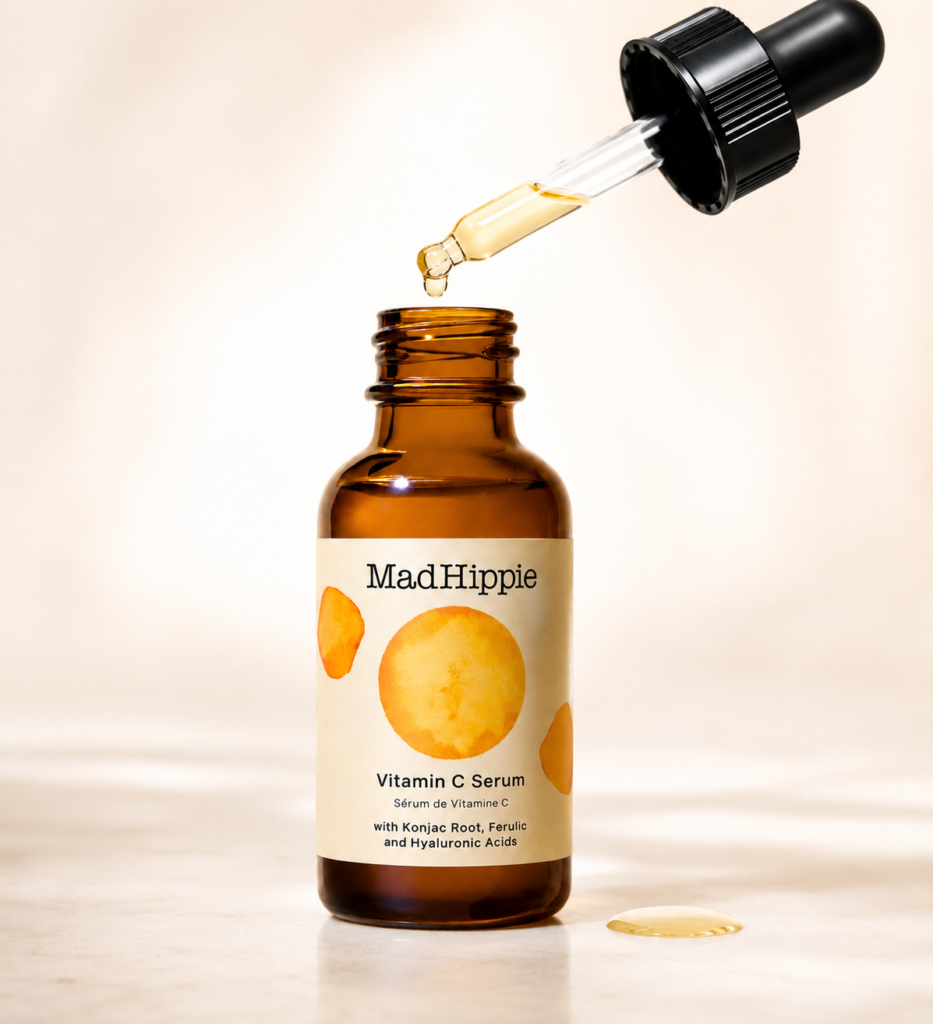
Find it here: Mad Hippie Vitamin C Serum
Best for Reactive Skin: Vanicream Vitamin C Serum
Vanicream is a dermatologist-recommended brand built around formulas for sensitive and reactive skin, free of fragrance, dyes, parabens, and common irritants. Its vitamin C serum uses tetrahexyldecyl ascorbate (THD ascorbate), an oil-soluble derivative that’s one of the most stable forms of vitamin C available and significantly gentler than L-ascorbic acid.
Who it’s for: Reactive skin, skin prone to irritation, anyone who’s reacted to fragrance or active-heavy formulas, and those who want a vitamin C that won’t sting or destabilize quickly.
What I like: THD ascorbate doesn’t require a low pH to stay active, tends to be more stable than L-ascorbic acid, and penetrates well because it’s oil-soluble. Combined with Vanicream’s minimal, fragrance-free formulation, it’s one of the gentler vitamin C options to consider if your skin reacts easily and the brand’s dermatologist reputation is earned through consistently simple, low-irritant formulas.
What to know: Like most derivatives, results build gradually rather than dramatically, expect visible brightening over eight to twelve weeks of consistent use. The texture is slightly richer than a typical water-based serum because THD ascorbate is oil-soluble.
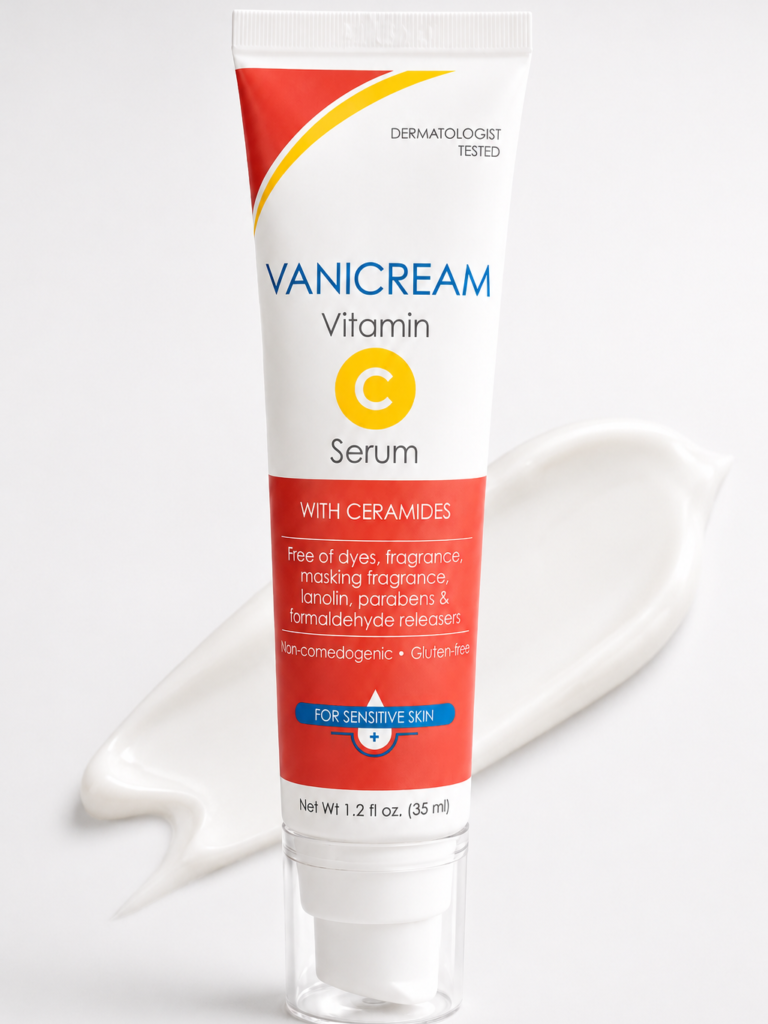
Find it here: Vanicream Vitamin C Serum
Best Upgrade Pick: Paula’s Choice C15 Super Booster
This is the formula I moved to after building tolerance with gentler serums, and it’s the one I keep coming back to. It uses 15% L-ascorbic acid combined with vitamin E and ferulic acid, the gold-standard antioxidant trio that’s more stable and more effective than L-ascorbic acid alone.
Who it’s for: Anyone whose skin has already built tolerance to vitamin C and is ready for a stronger formula. Not a beginner product, the 15% concentration is significant and can cause irritation on skin that’s never used vitamin C before.
What I like: With consistent use, this is the kind of formula where many people start looking for visible brightening within several weeks. The ferulic acid and vitamin E pairing helps the formula stay stable so it’s less likely to oxidize before you finish the bottle. The texture is concentrated but absorbs well, and a few drops cover the whole face, so the bottle lasts longer than the small size suggests.
What to know: Wait until your skin has used a 10% or lower vitamin C consistently for at least two to three months before stepping up to this. Starting here without building tolerance is one of the fastest ways to end up irritated and assuming vitamin C doesn’t work for you.
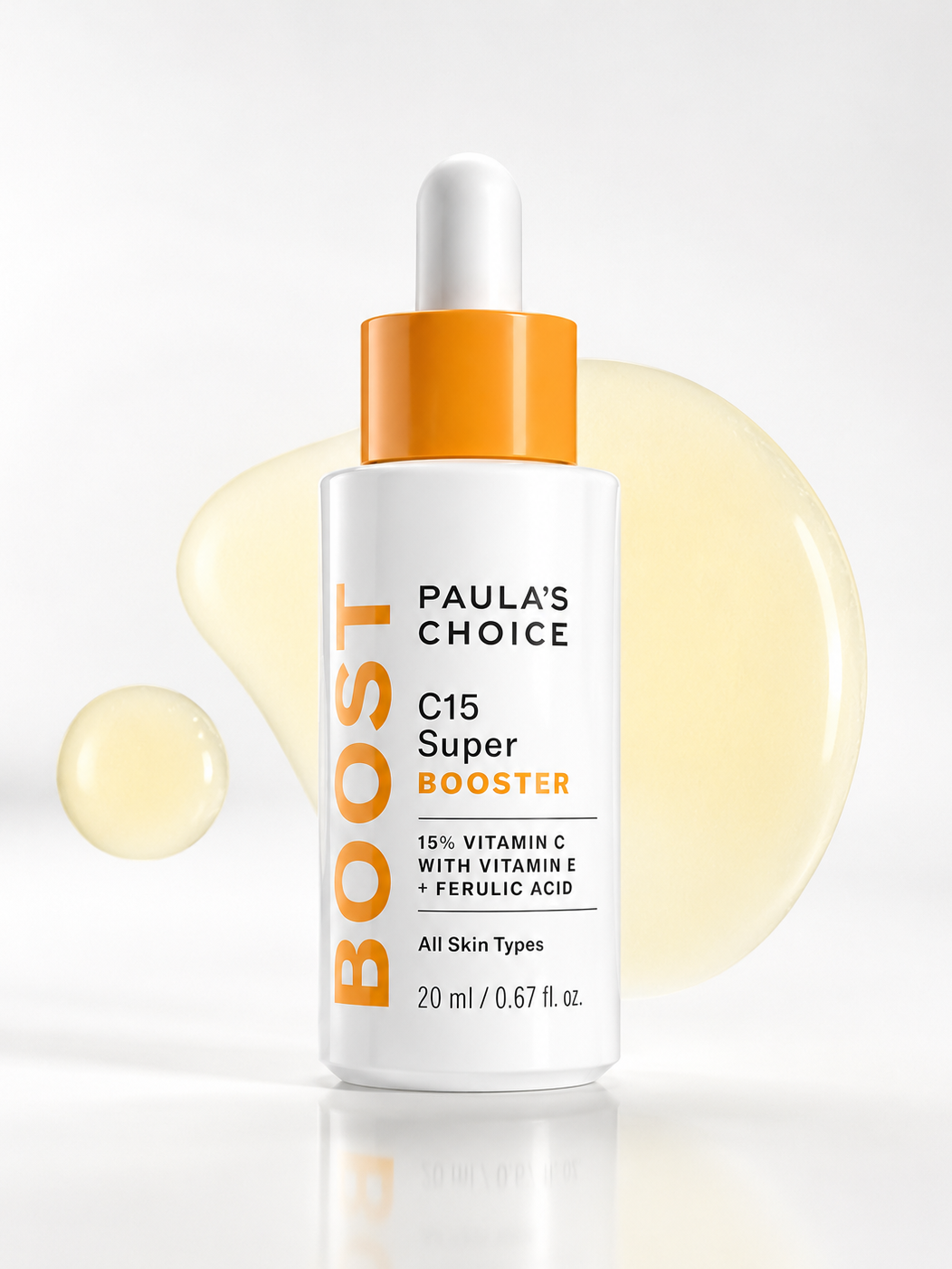
Find it here: Paula’s Choice C15 Super Booster
Quick Reference: Which One Is Right for You?
You’re completely new to vitamin C or have sensitive skin: Start with TruSkin Vitamin C Serum.
You want an accessible pure vitamin C drugstore formula: L’Oréal Revitalift Clinical 12% Pure Vitamin C Serum.
You have sensitive or reactive skin: TruSkin Vitamin C Serum or Vanicream Vitamin C Serum.
You want a mid-range formula with antioxidant support: Mad Hippie Vitamin C Serum.
You want one of the most stable, gentlest formulas: Vanicream Vitamin C Serum.
You’ve already used vitamin C consistently and want something stronger: Paula’s Choice C15 Super Booster.
The Bottom Line
The best vitamin C serum for you depends on your tolerance to actives, your budget, and how you’ll fit it into your routine. If you’ve never used vitamin C, start gentle and build up. If your skin is sensitive, stick to derivatives like SAP or THD ascorbate. If you’ve used vitamin C for months, the upgrade to 15% L-ascorbic acid delivers what gentler formulas can’t.
Whichever you choose: apply it every morning to dry skin, always follow with SPF, and give it six to eight weeks to show results. That’s how vitamin C actually transforms dull skin.
For the full guide on using vitamin C without irritation: How to Use Vitamin C Serum Without Irritating Your Skin. And for choosing the right sunscreen to pair with it: SPF for Beginners: How to Choose and Use Sunscreen Every Day.