

Hyaluronic acid is one of those ingredients that sounds more complicated than it is. The name alone puts people off, it has “acid” in it, which implies something strong, something that might sting or peel or require an adjustment period. In reality, hyaluronic acid is one of the gentlest, most universally tolerated ingredients in skincare. It doesn’t exfoliate, it doesn’t treat acne, and it doesn’t brighten pigmentation. It does one thing and it does it exceptionally well. It holds water in the skin.
That sounds simple, and it is. But the difference between well-hydrated skin and dehydrated skin shows up in almost every concern people bring to skincare dullness, fine lines, tight uncomfortable texture, a routine that isn’t performing the way it should. Hyaluronic acid addresses all of those things at the root, which is why it belongs in almost every routine regardless of skin type or concern.
There’s just one catch: most people use it wrong. And when you use it wrong, it can actually make your skin drier than before. This guide explains exactly how hyaluronic acid works, how to use it correctly, and where it fits in your routine.
Affiliate disclosure: This post contains affiliate links. As an Amazon Associate, I earn from qualifying purchases at no extra cost to you.
What Is Hyaluronic Acid and What Does It Actually Do?
Hyaluronic acid is a humectant a substance that draws water from the environment and from deeper layers of the skin toward the surface, and then holds it there. Your skin naturally produces hyaluronic acid on its own, but that production decreases with age, stress, and environmental exposure. Topical hyaluronic acid replenishes what’s been lost and gives the surface layer the hydration it needs to function properly.
The result is skin that looks and feels noticeably different plumper, smoother, more comfortable, and more reflective of light. It’s not a dramatic overnight transformation. It’s the kind of consistent, quiet improvement that makes everything else in your routine work better.
One thing worth understanding: hyaluronic acid hydrates the skin, but it doesn’t moisturize it. Hydration and moisture are related but different hydration refers to water content in the skin, while moisture refers to the oils and lipids that seal that water in. Hyaluronic acid handles the water. Your moisturizer handles the seal. Both are necessary, and they work best when used together.
Why Most People Use Hyaluronic Acid Wrong
This is the part most guides skip and it’s the reason some people find that hyaluronic acid makes their skin feel tighter or drier after using it.
Hyaluronic acid draws water from wherever it can find it. In a humid environment or on damp skin, it pulls moisture from the air and holds it in the skin. But in a dry environment, or when applied to completely dry skin without anything sealing it in afterward, it can pull moisture from deeper layers of the skin toward the surface and then lose it to the air. The result is skin that feels temporarily worse, not better.
The two rules that prevent this:
Apply to damp skin. After cleansing or toner, while skin is still slightly damp not wet, not dripping, just damp apply hyaluronic acid. That residual moisture gives it something to work with immediately.
Always follow with moisturizer. Hyaluronic acid brings water to the surface. Moisturizer locks it there. Skipping moisturizer after hyaluronic acid leaves the hydration exposed and vulnerable to evaporation, especially in dry or air-conditioned environments.
If your skin still feels tight after hyaluronic acid, choosing one of the best moisturizers for damaged skin barrier can help seal hydration in more effectively and support a stronger, calmer skin barrier.
Get those two things right and hyaluronic acid performs exactly the way it’s supposed to.
What Is Hyaluronic Acid Molecular Weights and Do They Matter?
You’ll see this on ingredient labels and product descriptions: low molecular weight, high molecular weight, multi-weight. It sounds technical, but the practical difference is straightforward.
High molecular weight hyaluronic acid sits on the surface of the skin and creates a plumping, smoothing effect that’s immediately visible. It doesn’t penetrate deeply, but it makes skin feel soft and look hydrated right away.
Low molecular weight hyaluronic acid penetrates more deeply into the skin and hydrates at a deeper level. The effect is less immediately visible but more sustained over time.
Multi-weight formulas combine both and are generally the most effective for overall hydration you get the immediate surface effect and the deeper, longer-lasting benefit at the same time.
For most beginners, this distinction doesn’t need to drive product choice. A well-formulated hyaluronic acid serum will do its job regardless of whether you know the molecular weight breakdown. But if you’re comparing two products and one specifies multi-weight hyaluronic acid, that’s typically the stronger formula.
Where Does Hyaluronic Acid Go in Your Routine?
Hyaluronic acid is a water-based serum, which means it follows the standard layering rule: lightest products first, heaviest last.
Wait, hyaluronic acid before retinol? YES! Applying hyaluronic acid before retinol cushions the skin slightly and reduces the dryness and irritation that retinol can cause, especially in the beginning. It’s one of the more practical ways to make retinol more tolerable while your skin adjusts. The full guide on introducing retinol safely is here: Retinol for Beginners: How to Start Without Irritation.
For a complete breakdown of how every product type fits into the layering sequence, Skincare Routine Order: How to Layer Your Products the Right Way covers it step by step.
Can You Use Hyaluronic Acid Every Day?
Yes, morning and evening if you want. Hyaluronic acid doesn’t make skin photosensitive, doesn’t require an adjustment period, and doesn’t interact negatively with other ingredients. It’s one of the few active ingredients with essentially no caveats around frequency.
Daily use is actually where it delivers its best results. Consistent hydration over time improves the skin’s overall texture, resilience, and ability to tolerate other active ingredients including the ones that do require more careful introduction.
What Can You Use Hyaluronic Acid With?
Almost everything and that’s genuinely one of its biggest advantages.
With vitamin C: Apply hyaluronic acid first, let it absorb, then vitamin C. The hydration makes vitamin C easier to tolerate and helps it absorb more evenly. If you want to understand how vitamin C fits into a morning routine, this covers it in full: How to Use Vitamin C Serum Without Irritating Your Skin.
With retinol: Hyaluronic acid applied before retinol helps buffer the skin and reduces dryness. On retinol nights especially, this combination makes a noticeable difference in how skin feels by morning.
With niacinamide: These two are a natural pair niacinamide strengthens the barrier and regulates oil, hyaluronic acid keeps the skin hydrated. Together they address two of the most common skin concerns simultaneously. More on what niacinamide does and how to use it: Niacinamide: What It Does for Your Skin and How to Use It the Right Way.
With exfoliating acids: Apply hyaluronic acid after acids have fully absorbed, before moisturizer. It helps restore comfort and hydration that acids can temporarily disrupt.
There are no meaningful conflicts with hyaluronic acid. It plays well with everything.
How Long Does Hyaluronic Acid Take to Work?
The surface plumping effect skin that looks and feels more comfortable and hydrated is often noticeable within the first few days of consistent use. This is the immediate benefit of a good humectant.
The deeper improvements better skin texture, more resilient barrier, a complexion that looks consistently healthier rather than just temporarily better build over several weeks of daily use. If your skin has been chronically dehydrated, give it four to six weeks of consistent use before evaluating whether it’s working the way you want.
One thing that speeds up the visible results: using it correctly. Damp skin, followed by moisturizer. That combination consistently outperforms applying it to dry skin or skipping the sealant step.
Who Benefits Most from Hyaluronic Acid?
The honest answer is almost everyone, but it shows up most visibly for specific concerns.
Dehydrated skin of any type responds most dramatically. If your skin feels tight, looks dull, or has that fine crepey texture that appears when skin lacks water, hyaluronic acid addresses the root cause directly. The connection between dehydration and dullness is explained in more detail here: Why Your Skin Still Looks Dull in the Morning (And How to Fix It).
Skin using active ingredients: retinol, vitamin C, exfoliating acids benefits significantly from the buffer and recovery support hyaluronic acid provides. Actives tend to be drying, and consistent hydration makes them more tolerable and more effective.
Sensitive or reactive skin that can’t tolerate many active ingredients often handles hyaluronic acid without any issue. It’s one of the safest starting points for anyone whose skin reacts easily to new products.
Oily skin benefits too, oily skin can absolutely be dehydrated, and adding hyaluronic acid often helps regulate the overproduction of oil that happens when the skin is trying to compensate for lack of moisture.
The Hyaluronic Acid Products Worth Knowing
Hyaluronic acid is one of the most widely available skincare ingredients, which means you’ll find it across every price point. The most effective format is a dedicated serum used before moisturizer, where the concentration is high enough to deliver a real effect.
If you’re just starting out, a lightweight, easy-to-layer serum is the best place to begin.
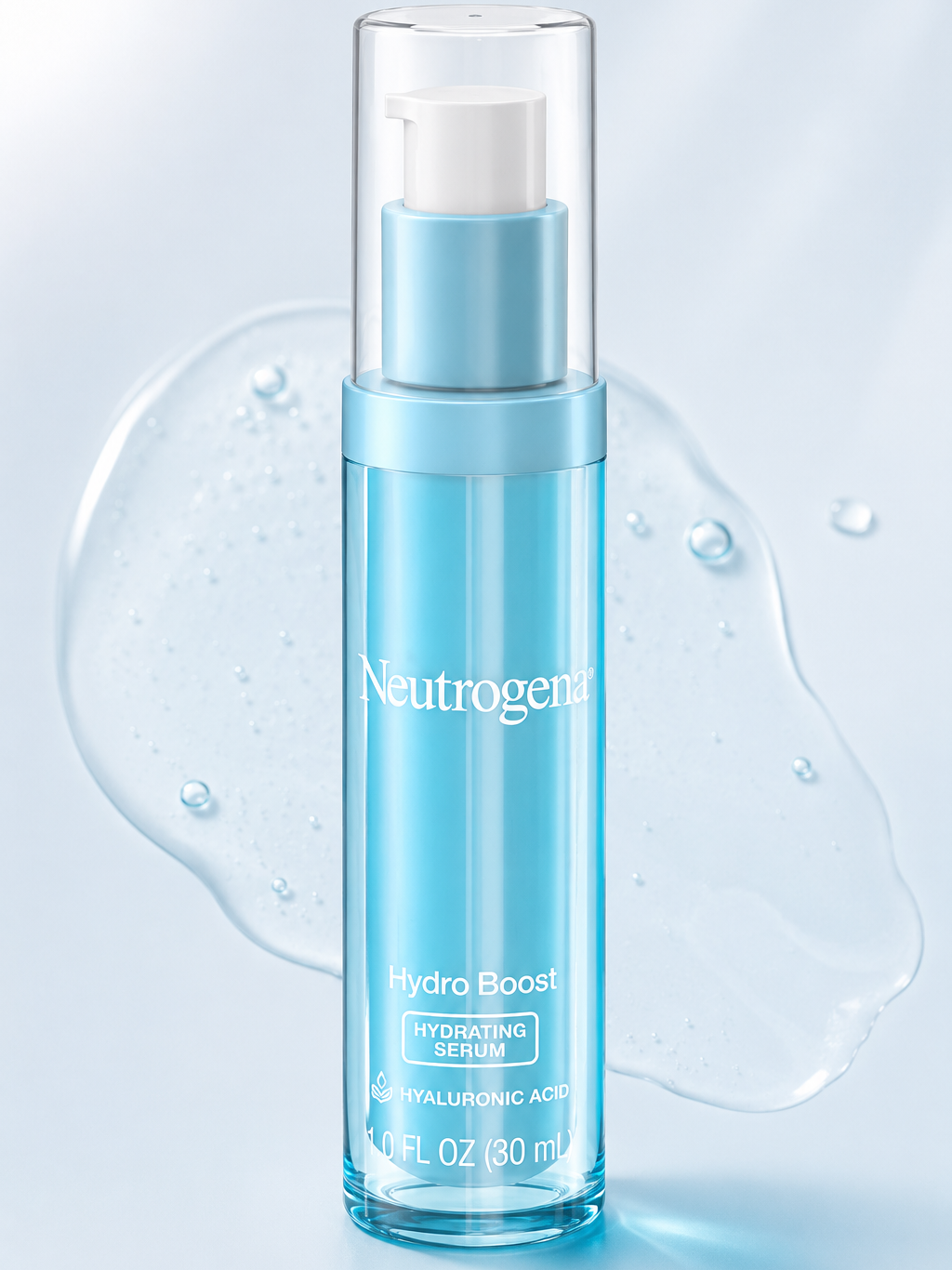
The serum I use consistently is Neutrogena Hydro Boost Hyaluronic Acid Serum lightweight, absorbs immediately, and works well under every other product in my routine without any pilling or stickiness.
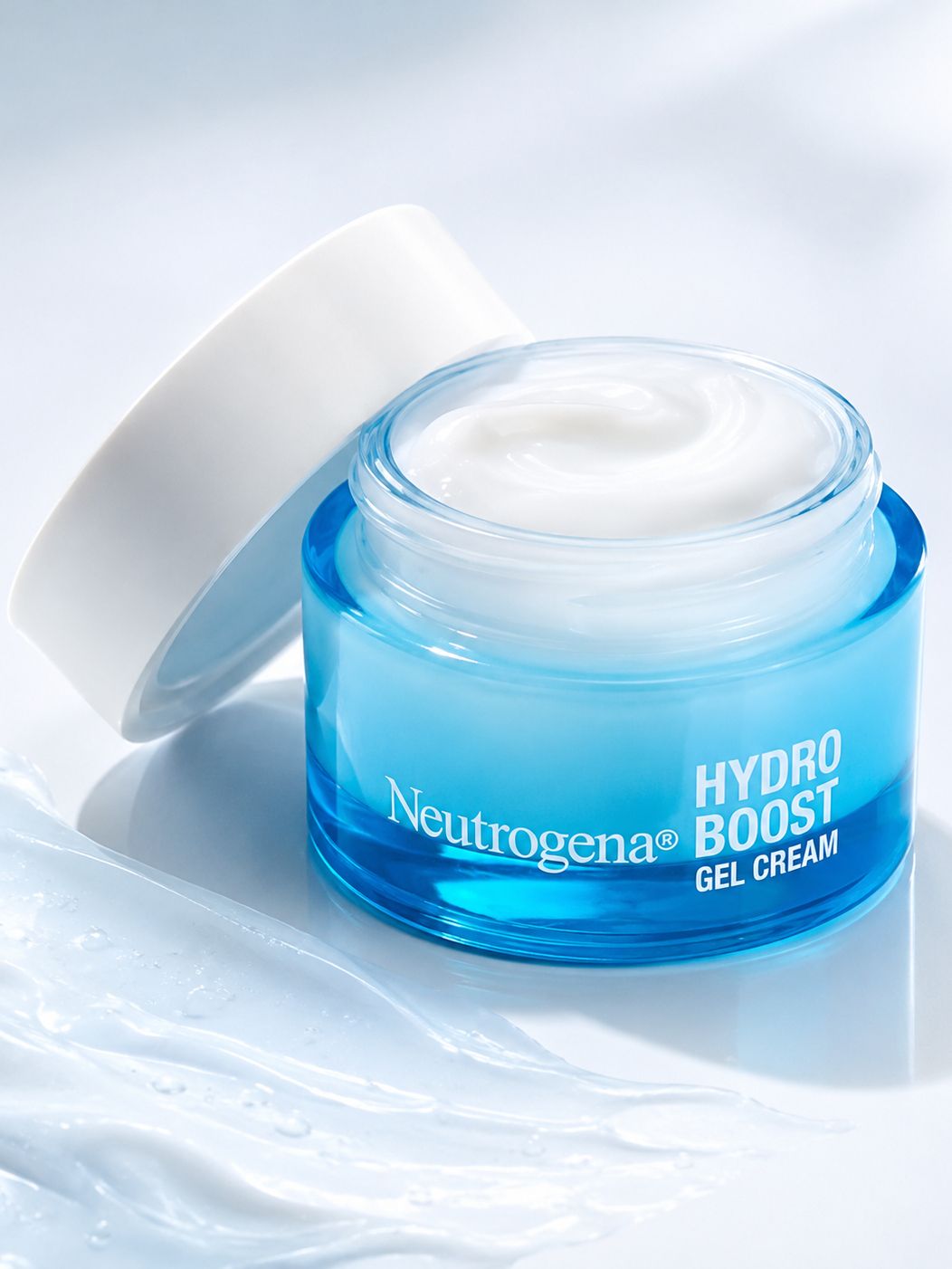
If you prefer your hyaluronic acid combined with a moisturizing step in one, Neutrogena Hydro Boost Water Gel delivers solid hydration and works well as a simple, no-fuss option if you don’t want multiple steps.
If you want to step it up, especially for dry or dehydrated skin that needs more than a basic serum
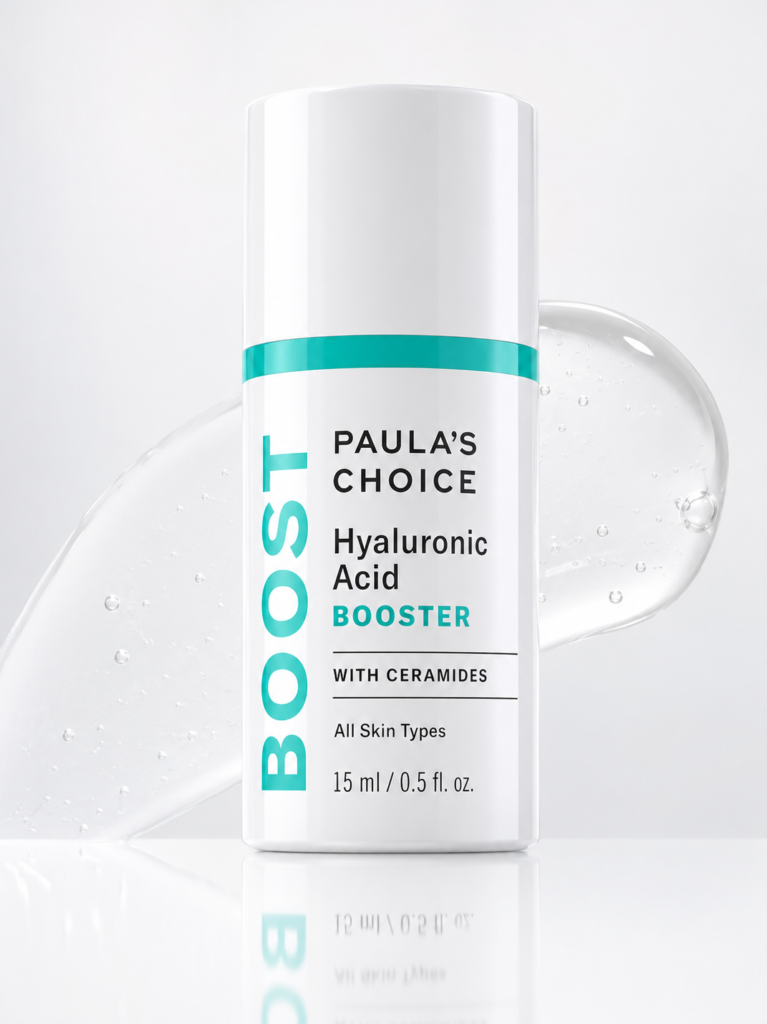
Paula’s Choice Hyaluronic Acid Booster is a more concentrated option that makes a noticeable difference when lighter formulas aren’t enough.
Common Hyaluronic Acid Mistakes
Applying to completely dry skin in a dry environment. This is the most common mistake and the one most likely to backfire. Always apply to damp skin.
Skipping moisturizer afterward. Hyaluronic acid without a sealant is hydration without a lid. The water it draws to the surface will evaporate, especially in air-conditioned or heated environments.
Expecting it to do more than it does. Hyaluronic acid hydrates, it doesn’t treat acne, fade dark spots, or smooth wrinkles the way retinol does. It makes everything else work better, but it’s a supporting ingredient, not a treatment.
Using too many hyaluronic acid products layered on top of each other. A serum and a moisturizer that both contain it is perfectly fine. Three hyaluronic acid products in a row adds no additional benefit and can leave the skin feeling tacky.
The Bottom Line
Hyaluronic acid is one of the most straightforward additions you can make to any routine gentle enough for the most sensitive skin, compatible with every other ingredient, and effective enough to make a visible difference in how skin looks and feels with daily use.
The only thing that stands between most people and good results with it is application technique. Damp skin, followed by moisturizer. That’s the whole secret. Get that right and hyaluronic acid will quietly become one of the most reliable steps in your routine, the kind you don’t think about much because it just works.