
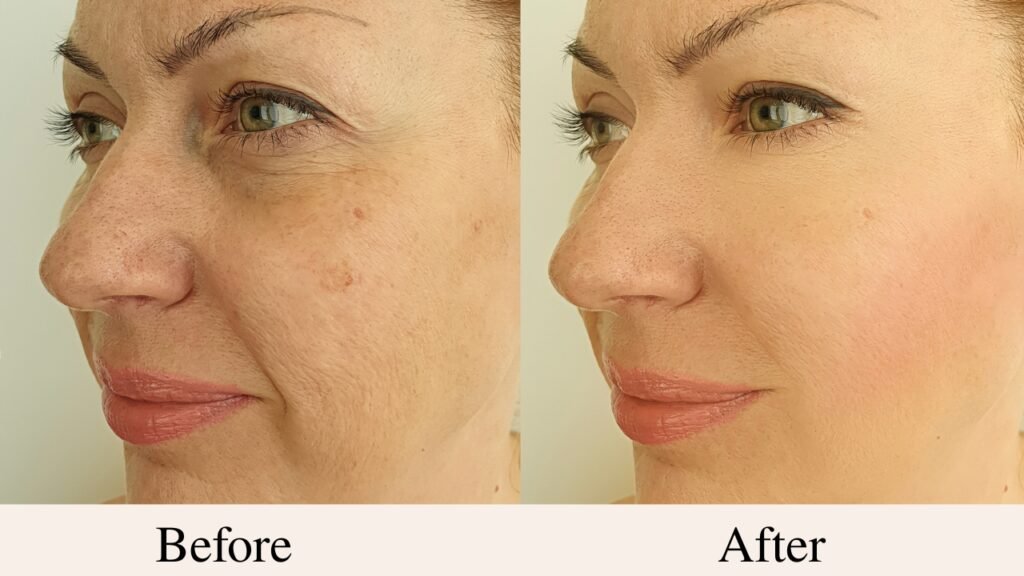
If there’s one ingredient, I recommend to almost everyone regardless of skin type, budget, or where they are in their skincare journey, it’s niacinamide. Not because it’s trendy, but because it’s genuinely one of the most versatile and well-tolerated actives available, and it rarely gets the straightforward explanation it deserves.
Most people either stumble across it in an ingredient list without really knowing what it does, or they’ve heard it mentioned alongside vitamin C and retinol but assumed it was somehow more complicated or less essential. It’s neither. Niacinamide is one of the easiest ingredients to introduce, one of the hardest to overdo, and one of the few that actually addresses multiple skin concerns at once without asking much of your skin in return.
This guide covers what niacinamide actually does, how to use it, what to layer it with, and what the common myths get wrong.
What Is Niacinamide?
Niacinamide is a form of vitamin B3 a water-soluble vitamin that skin can use directly when applied topically. Unlike some ingredients that need to convert into an active form inside the skin before they work, niacinamide is effective as it is. That’s part of why it’s so consistently well-tolerated across different skin types and sensitivities.
It’s found in all kinds of formulas serums, moisturizers, toners, and sunscreens which means you may already be using it without realizing it. At higher concentrations, usually 5% to 10%, it’s doing the most targeted work. At lower concentrations, it’s still contributing to overall skin health, just more subtly.
What Does Niacinamide Do for Your Skin?
This is where niacinamide stands out from most single-purpose ingredients. It works on several fronts simultaneously, which is why it fits into so many different routines for so many different concerns.
It Helps Even Out Skin Tone
Niacinamide interferes with the process that transfers melanin the pigment responsible for dark spots and uneven tone to the surface of the skin. Used consistently, it gradually brightens areas of discoloration and creates a more even base. It won’t erase deep pigmentation overnight, but over weeks and months of daily use, the difference becomes visible. If uneven tone or post-acne marks are your main concern, niacinamide is one of the most practical ingredients to reach for. It pairs naturally with vitamin C for this, since both address pigmentation through different mechanisms, if you’re not sure how to combine them, more on that below.
It Strengthens the Skin Barrier
One of niacinamide’s most important jobs is supporting the production of ceramides the lipids that hold the skin barrier together and keep moisture from escaping. A well-functioning barrier means skin that holds hydration better, reacts less to products and environmental stressors, and generally feels more comfortable and resilient.
If your skin has become reactive, easily irritated, or sensitive to products it used to tolerate fine, niacinamide is often one of the first ingredients worth adding. It’s doing repair work at the structural level, not just sitting on the surface. For a full breakdown of what a damaged barrier looks like and how to fix it, this guide goes through it in detail: How to Know If Your Skin Barrier Is Damaged and How to Fix It.
It Regulates Oil Production
For oily or combination skin specifically, niacinamide helps regulate how much sebum the skin produces. It doesn’t dry the skin out it just helps bring production into better balance. The result, over consistent use, is skin that feels less greasy throughout the day and stays cleaner between washes without becoming tight or uncomfortable.
It Minimizes the Appearance of Pores
Niacinamide doesn’t physically shrink pores nothing topical can change the actual size of a pore. What it does is reduce the congestion and excess oil that make pores look more prominent, and it improves the texture of the skin around them. The effect is subtle but real, and it’s most noticeable in people with oily or combination skin where enlarged pores are usually more of a concern.
It Soothes Redness and Irritation
Niacinamide has anti-inflammatory properties, which makes it useful for skin that’s prone to redness, sensitivity, or the kind of low-level irritation that makes the complexion look uneven and dull. It’s one of the few active ingredients that can be used on already-irritated skin without making things worse in fact, it often helps calm things down.
How to Use Niacinamide in Your Routine
What Concentration Should You Use?
Most research and most visible results point to concentrations between 5% and 10%. Five percent is a good all-round starting point effective for tone, barrier support, and oil regulation without any real risk of irritation. Ten percent delivers stronger results for oilier or more congested skin, but it’s still very well tolerated by most people.
Below 2% you’re getting some benefit but not the targeted results niacinamide is known for. Above 10% there’s limited additional benefit and a slightly higher chance of temporary flushing in very sensitive skin, not dangerous, but worth knowing.
Does Niacinamide Go in the Morning or Evening?
Both. Niacinamide doesn’t make skin photosensitive, so unlike retinol or exfoliating acids, there’s no reason to save it for the evening. Morning use is perfectly fine, and many people find it a useful addition to their morning routine because it pairs well with vitamin C and sits comfortably under SPF.
If you use it in a serum form, it goes on after cleansing and toner, before moisturizer. If it’s in your moisturizer, it goes in its usual spot in the routine.
Can You Use Niacinamide Every Day?
Yes, daily use is both safe and recommended. Niacinamide doesn’t require an adjustment period the way retinol does, and there’s no benefit to cycling it or taking breaks. Consistent daily use is what builds the cumulative effects on tone and barrier strength over time.
This is part of what makes it such a practical ingredient for beginners. You don’t need to manage a schedule, alternate nights, or watch carefully for signs that your skin needs a break. You just use it.
For a full picture of how daily active ingredients fit into a morning and evening structure, this AM & PM Skincare Routine guide shows exactly where everything slots in.
What Can You Mix Niacinamide With?
Niacinamide and Vitamin C: The Myth Worth Clearing Up
This combination has caused more unnecessary confusion than almost anything else in skincare. The concern that mixing niacinamide and vitamin C creates a reaction that causes flushing or cancels both ingredients out comes from older chemistry research that doesn’t hold up under real-world conditions or modern formulation.
Current evidence consistently shows that using niacinamide and vitamin C together is fine for the vast majority of people. Many products intentionally combine them. If your skin is particularly sensitive, applying them in separate steps with a few minutes between is a reasonable precaution, but avoiding the combination entirely is unnecessary.
If you’re using a vitamin C serum in the morning and a niacinamide serum or moisturizer afterward, you’re doing it correctly. If you want to understand vitamin C in more depth before layering the two, this covers everything you need: How to Use Vitamin C Serum Without Irritating Your Skin.
Niacinamide and Retinol
These two work well together and actually complement each other. Retinol can be drying and sometimes irritating, especially when you’re first introducing it. Niacinamide helps offset that its barrier-strengthening and anti-inflammatory properties make it a natural partner for retinol nights. Applying niacinamide after retinol, before your moisturizer, is a practical way to use both without conflict.
If you’re new to retinol and figuring out how to build it into your routine, this is worth reading first: Retinol for Beginners: How to Start Without Irritation.
Niacinamide and Exfoliating Acids
Niacinamide can be used on the same nights as exfoliating acids without issue for most people. Some very sensitive skin types find the combination slightly more irritating, if that’s you, use the acid first and give it time to absorb before applying niacinamide. For most people though, they layer together without any problem.
How Long Does Niacinamide Take to Work?
This depends on what you’re using it for, but the honest answer is that visible results take longer than most people expect when they first start.
Weeks 2-4: Skin often feels more comfortable and balanced. Oily skin in particular tends to notice a reduction in midday shine relatively early.
Weeks 4-8: Improvements in texture and early changes in tone become visible with consistent daily use. Redness and uneven areas start to look calmer.
Week 8 and beyond: More significant changes in pigmentation, pore appearance, and overall skin evenness become clear. This is the timeline for the cumulative work niacinamide does on melanin transfer and barrier function.
The key, as with all skincare ingredients, is consistency. Niacinamide used daily for three months will deliver results that niacinamide used occasionally never will.
Who Is Niacinamide Best For?
Niacinamide is one of the rare ingredients that genuinely suits almost every skin type, but it delivers the most noticeable results for specific concerns:
Oily and combination skin benefits most from the oil-regulating and pore-minimizing effects. If excess shine and congestion are your main frustrations, niacinamide addresses both.
Skin with uneven tone or post-acne marks responds well to the melanin-inhibiting effect over consistent use.
Sensitive or reactive skin benefits from the barrier-strengthening and anti-inflammatory properties, it’s one of the few actives that can be introduced even when the skin is already slightly irritated.
Dry skin benefits from the ceramide support and improved moisture retention, though it’s rarely the single most important ingredient for dry skin concerns.
If you’re dealing with dull skin specifically, niacinamide is one part of a larger morning routine that addresses dullness from multiple angles. This guide covers the full approach: Why Your Skin Still Looks Dull in the Morning (And How to Fix It).
The Niacinamide Products Worth Knowing
Niacinamide is one of the most widely available active ingredients, which means you’ll find it across a huge range of price points and formula types. The most effective formats are dedicated serums at 5-10%, or moisturizers that list it high enough in the ingredient list to be genuinely active.
The niacinamide serum I use most consistently is Paula’s Choice CLINICAL 20% Niacinamide absorbs without any stickiness, and works well under both moisturizer and SPF. It’s the kind of product that quietly does its job without making your routine more complicated.
If you prefer your niacinamide in a moisturizer rather than a separate serum step, Dr. Althea 345 Relief Cream delivers a solid concentration alongside ceramides and glycerin, a good option for anyone who wants barrier support and niacinamide in a single step.
Common Niacinamide Mistakes
Using too low a concentration and wondering why nothing’s happening. A moisturizer with 0.5% niacinamide is not the same as a 10% serum. Check the concentration if you’re not seeing results after consistent use.
Expecting fast results on pigmentation. Niacinamide works gradually on tone. Two weeks is not enough to evaluate it for dark spots or uneven pigmentation, give it at least eight weeks.
Avoiding it because of the vitamin C myth. As covered above, this combination is fine. Don’t let outdated information keep you from using two effective ingredients together.
Using it inconsistently. Niacinamide’s benefits build with daily use over time. Occasional use delivers occasional results. Daily use is what drives the changes people are looking for.
The Reliable Workhorse of Skincare
Niacinamide doesn’t have the dramatic reputation of retinol or the morning ritual appeal of vitamin C. It’s not the ingredient people get excited about or post about in the same way. But it consistently shows up in the routines of people whose skin is genuinely healthy balanced, even-toned, resilient, because it’s doing quiet, important work that compounds over time.
If you’re not using it yet, it’s one of the most low-risk, high-reward additions you can make to a routine. And if you’re already using it without realizing it, there’s a good chance it’s contributing more to your skin’s stability than you’ve given it credit for.
Start with a 5% or 10% serum, use it every day, and give it three months. That’s the whole strategy.