

You’re consistent with your routine. You cleanse every night, you’ve spent real money on good products, and you’ve read enough skincare content to know your actives from your occlusives. But your skin still isn’t where you want it to be, it’s dull when it should be bright, congested when it should be clear, or perpetually irritated despite everything you’re doing to take care of it.
The frustrating truth is that skincare mistakes are rarely dramatic. Nobody deliberately strips their skin barrier or over-exfoliates into irritation. The mistakes that actually hold most people back are the quiet ones, the small habits that feel completely harmless, the logic that almost makes sense, or the things skincare content has been confidently getting wrong for years.
Affiliate disclosure: This post contains affiliate links. As an Amazon Associate, I earn from qualifying purchases at no extra cost to you.
Cleansing Too Much or with the Wrong Formula
Over-cleansing is one of the most common ways people accidentally sabotage their own skin, and it’s especially common for anyone with oily or acne-prone skin. The reasoning usually goes: if my skin is oily or breaking out, I need to cleanse more thoroughly and more often. But that logic works against you.
Harsh cleansers and foaming formulas that leave skin squeaky clean strip the moisture barrier faster than it can repair itself. When the barrier is disrupted, skin produces more oil to compensate, becomes more reactive, and loses its ability to hold onto hydration. The right cleanser should remove what needs to be removed without leaving your skin tight or uncomfortable afterward.
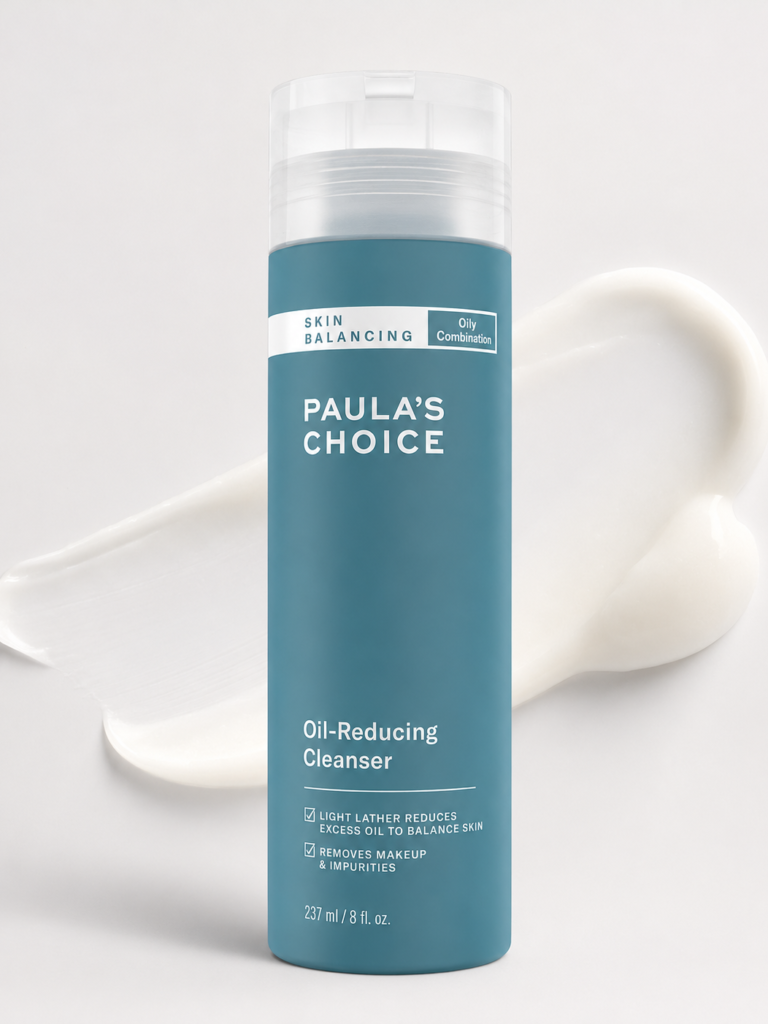
The one I use daily is Paula’s Choice Skin Balancing Oil-Reducing Cleanser effective without ever feeling stripping.
Skipping Moisturizer Because Your Skin Is Oily
Oily skin is not the same as well-hydrated skin. You can have skin that produces a lot of sebum and simultaneously lacks the water-based hydration it needs to function properly. When skin is dehydrated, it often compensates by producing more oil, which creates a cycle that’s genuinely hard to break if you keep avoiding moisturizer.
What oily skin actually needs is a moisturizer that works with it something lightweight, non-comedogenic, and hydrating without adding extra heaviness. Gel moisturizers, fluid textures, and formulas with ingredients like niacinamide, hyaluronic acid, or ceramides tend to work well for skin that produces a lot of oil. The goal isn’t to add more oil. It’s to give your skin barrier the hydration it needs so it stops overproducing sebum as a response to dryness.
Not Wearing SPF Every Day (Including in Winter and Indoors)
If there’s one mistake with the most cumulative, long-term impact on how your skin looks and ages, this is it.
UV damage is responsible for the majority of visible skin aging uneven tone, dark spots, loss of firmness, and texture changes all have UV exposure as a significant contributing factor. UVA rays penetrate glass and are present year-round regardless of cloud cover or season. All the serums and actives in your routine are being partially undone every day the surface layer goes unprotected.
Daily SPF broad-spectrum, at minimum SPF 30 is not optional if you’re trying to maintain or improve the quality of your skin over time. All the serums, actives, and treatments in your routine are doing their best work beneath the surface, but they’re undermined every day that surface layer is exposed to UV without protection.
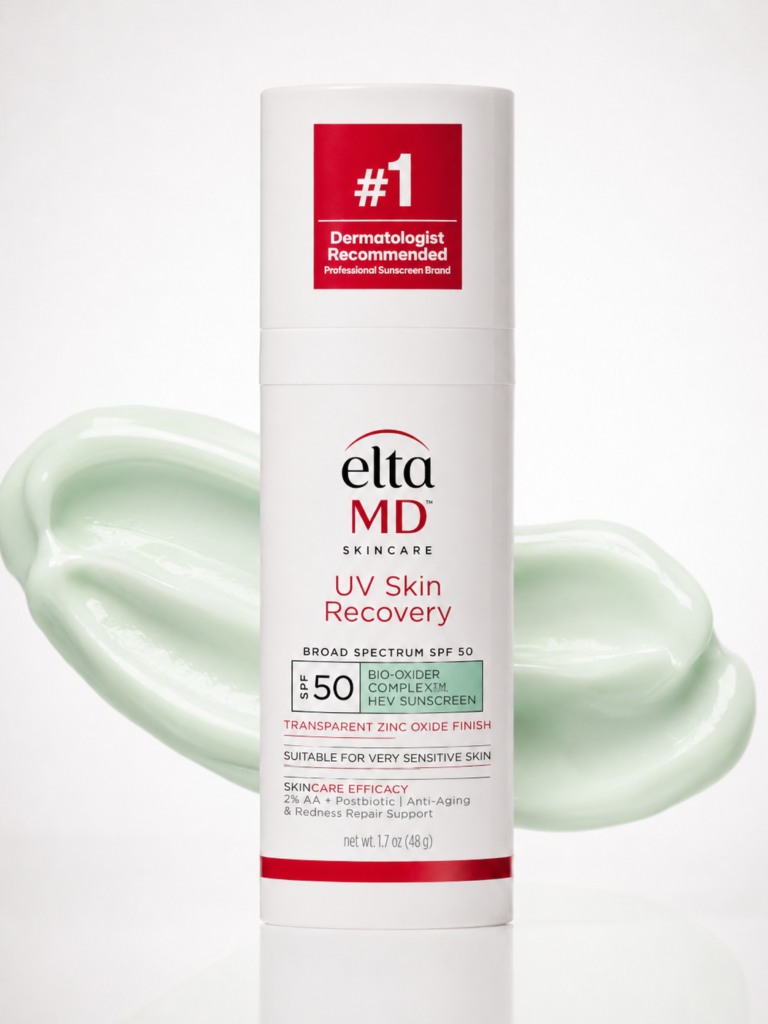
The SPF I reach for every morning is EltaMD UV Skin Recovery Face Sunscreen lightweight, no white cast, and it sits well under makeup and everything else.
Using Too Many Active Ingredients at Once
This is where a lot of well-intentioned skincare routines fall apart. You’ve learned about retinol, vitamin C, exfoliating acids, niacinamide, peptides and they all sound like they’ll help. So, you build a routine that uses several of them, often in the same session, and wonder why your skin seems more irritated or reactive than it did with a simpler approach.
Active ingredients work. But they also ask something of your skin, and there’s a limit to how much your barrier can handle before it starts to push back. Layering retinol with acids in the same evening routine, or using a strong vitamin C serum right before a niacinamide-heavy moisturizer, or introducing two new actives in the same week these things create noise that makes it impossible to know what’s working, and they often create more stress on your skin than benefit.
More products don’t mean more results. A focused four-step routine done consistently will outperform a ten-step routine that overwhelms the barrier every time. Introduce one active at a time, give your skin a few weeks to adjust, and build from there. For a clear breakdown of which actives work well together, my Skincare routine order: How to layer your products the right way is the place to start.
Not Giving Products Enough Time to Work
This is one of the quieter mistakes, but it’s responsible for a lot of unnecessary product-switching and the persistent feeling that nothing ever really works.
Most skincare ingredients, especially the effective ones operate on a timeline that doesn’t line up with what we’ve come to expect from skincare marketing. Retinol requires consistent use for at least eight to twelve weeks before you’ll see meaningful changes. Niacinamide takes several weeks of daily use to visibly affect tone. Even a new moisturizer can take two to three weeks for your skin to fully adapt to. Switching products before they’ve had enough time to show what they can do means you never get an accurate picture of whether something is working, and it keeps your skin in a constant state of adjustment.
A reasonable minimum for evaluating any new product unless its causing obvious irritation is six to eight weeks. For actives targeting pigmentation, texture, or aging, three months is a more realistic window.
Not Removing Makeup Thoroughly Before Cleansing
A regular cleanser does a good job of removing the day’s oil, sweat, and light product buildup but it’s not designed to fully break down waterproof makeup, long-wear foundation, or sunscreen with a high SPF or silicone base. If you’re relying on your regular cleanser to do all of that in one step, it’s likely leaving residue on your skin that builds up over time and contributes to clogged pores and dull texture.
A double cleanse starting with an oil-based cleanser, micellar water, or dedicated makeup remover before your regular cleanser fully breaks down everything on the surface so your second cleanse can actually do its job. It doesn’t have to be elaborate. A gentle cleansing oil or balm followed by your usual gel or cream cleanser is enough to make a genuine difference, especially on days when you’ve worn sunscreen or makeup.
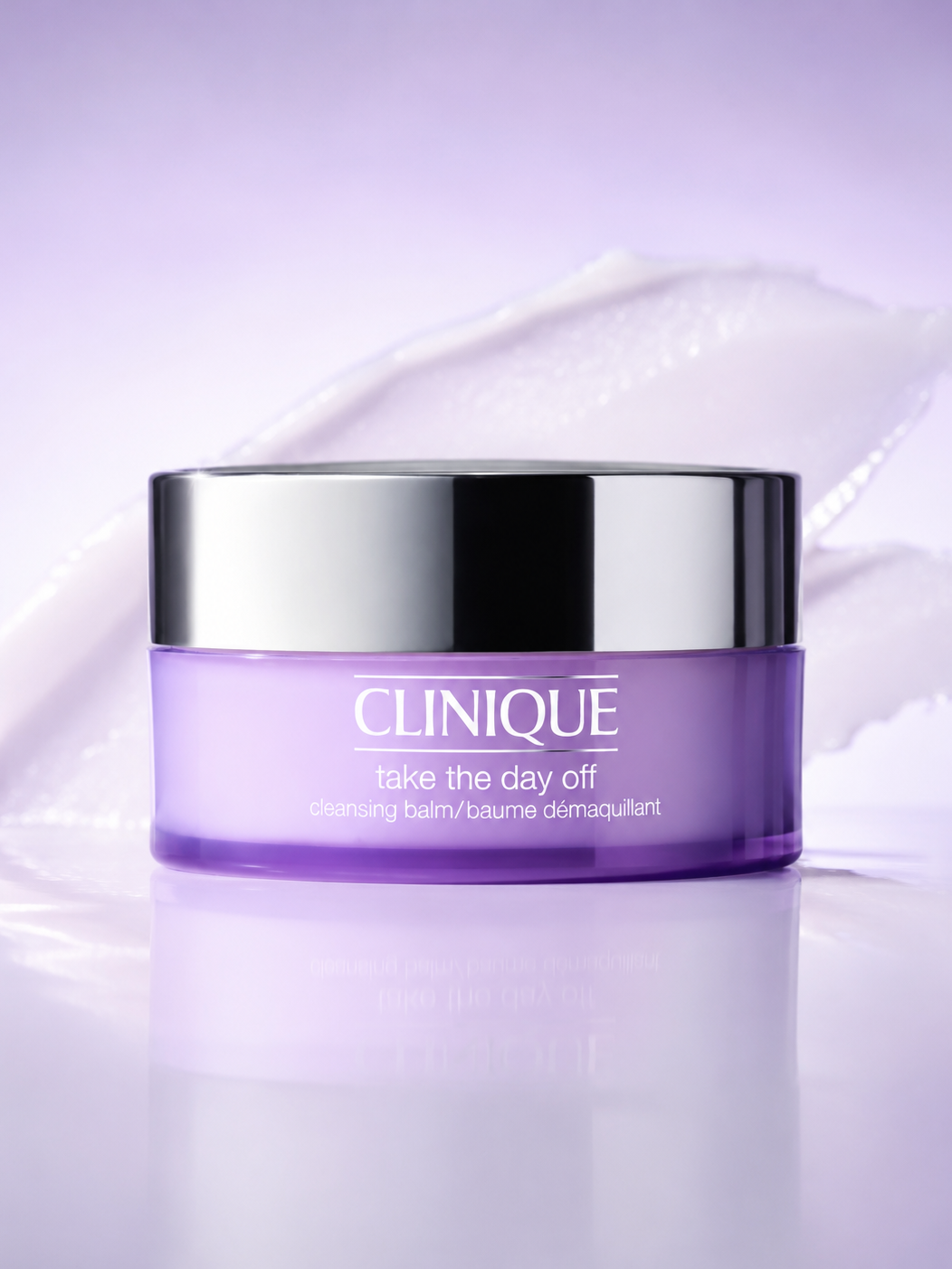
The cleansing balm I use for the first step is Clinique Take The Day Off Cleansing Balm Makeup Remover it dissolves everything and rinses clean without any residue.
Over-Exfoliating
Exfoliation genuinely helps it removes the surface buildup that makes skin look dull and helps active ingredients absorb more effectively. But it’s one of the easiest things to overdo, and the signs are often mistaken for other problems.
Skin that feels tight, looks shiny rather than healthy, reacts to products it used to tolerate, or has patches of redness is often a barrier that’s been exfoliated past its ability to keep up. At that point, more exfoliation makes everything worse. One to three times a week is enough for most skin. If yours is already irritated or reactive, pausing exfoliation entirely while you focus on barrier repair is almost always the right call. The full guide on what a damaged barrier looks like and how to fix it is here: How to know if your skin barrier is damaged and how to fix it.
Applying Products in the Wrong Order
The sequence of your routine affects how well each product works. Thicker products create a layer that lighter ones can’t penetrate once it’s there, so a heavy moisturizer before a lightweight serum means the serum never reaches the skin. The general rule is lightest to heaviest: serums first, then treatments, then moisturizer, then SPF last in the morning.
For a complete, step-by-step breakdown of how to layer everything correctly, this Skincare routine order: How to layer your products the right way explains exactly why sequence matters.
Forgetting Your Neck and Chest
The skin on your neck and décolleté ages the same way facial skin does, is just as exposed to UV, and gets almost none of the same attention. The contrast between well-cared-for facial skin and a neglected neck becomes more noticeable over time than most people expect.
The fix is simple: extend your cleanser, moisturizer, and SPF downward as a natural continuation of your facial routine. You don’t need separate products. Just include those areas.
Dirty Brushes, Old Sponges, and Pillowcases That Never Change
Makeup brushes and sponges accumulate bacteria and product residue that gets reapplied every use. Pillowcases absorb oil and product and transfer it back to your face over eight hours of sleep. Hands touching your face throughout the day introduce irritants that no cleanser fully compensates for.
Washing brushes weekly, changing pillowcases every few days, or switching to a silk or satin one and being more conscious of face-touching are unglamorous but genuinely effective habits.
Ignoring Your Skin’s Signals
Your skin communicates with you. Redness or stinging after a product means something in that formula doesn’t work for your skin right now. Tightness after cleansing means the formula is too harsh. Persistent congestion along the jaw or cheeks often has a specific cause a dirty phone screen, pillowcases, or a product that doesn’t agree with your skin specifically. If you’re consistently breaking out in the same spots, this guide covers the most common causes: Why You’re Breaking Out on Your Cheeks and Jaw.
Learning to read those responses and adjust accordingly rather than pushing through is one of the most useful skincare skills you can develop.
Most Skin Improvements Come from Doing Less, Better
The glow most people are looking for isn’t unlocked by finding the right miracle serum or stacking the most sophisticated routine possible. It’s usually the result of stopping a few habits that were quietly working against the skin, doing the basics consistently, and giving products enough time to show what they can do.
Healthy skin starts with a protected barrier, real hydration, and daily SPF. Everything else builds from there. If your routine isn’t delivering, the most useful first question isn’t “what should I add?” it’s “what might I be doing that’s getting in the way?”