

You’re doing everything right. You cleanse, you moisturize, you use your serums consistently and yet your skin feels perpetually uncomfortable. It’s tight after washing, reactive to products it used to tolerate fine, breaking out in places it never did before, or just stubbornly dry no matter how much moisturizer you apply.
There’s a good chance your skin barrier is damaged and if that’s the case, no serum, no active ingredient, and no new product is going to fix it until the barrier is repaired first. This guide explains exactly what a damaged skin barrier looks and feels like, what causes it, and how to restore it step by step.
Affiliate disclosure: This post contains affiliate links. As an Amazon Associate, I earn from qualifying purchases at no extra cost to you.
What Is the Skin Barrier and Why Does It Matter?
Your skin barrier technically called the stratum corneum is the outermost layer of your skin. Think of it as a brick wall: skin cells are the bricks, and a mixture of lipids, ceramides, and fatty acids acts as the mortar that holds everything together.
That wall has two jobs. It keeps moisture locked inside the skin so it stays hydrated and plump. And it keeps irritants, bacteria, and environmental stressors on the outside where they belong.
When the barrier is intact, skin feels comfortable, holds hydration well, and responds predictably to products. When it’s damaged, that protective structure breaks down moisture escapes, irritants get in, and the skin becomes reactive, dry, and difficult to manage in ways that seem to come out of nowhere.
The barrier is the foundation everything else depends on. Active ingredients, brightening serums, exfoliants none of them work properly on skin whose foundation is broken.
Signs Your Skin Barrier Is Damaged
The tricky part about a damaged skin barrier is that its symptoms often get mistaken for other problems. People reach for stronger moisturizers, more targeted treatments, or a complete routine overhaul when what the skin actually needs is the opposite of more.
Persistent Tightness and Dryness
Skin that feels tight shortly after cleansing, or that never feels truly comfortable regardless of how much moisturizer you apply, is struggling to hold onto water. A healthy barrier retains moisture effectively. A damaged one loses it constantly no topical product can fully compensate for a barrier that’s actively leaking hydration.
Redness and Sensitivity That Wasn’t There Before
When the barrier is compromised, irritants that healthy skin keeps out pollution, fragrance, certain skincare ingredients penetrate more easily and trigger inflammation. If your skin has become reactive to products it used to handle without issue, that change in tolerance is a significant signal.
Stinging and Burning When Applying Products
Products that shouldn’t sting a plain moisturizer, a hydrating toner, even water causing discomfort is one of the clearest signs of barrier damage. The stinging happens because those small micro-gaps in the damaged barrier allow ingredients to reach nerve endings they wouldn’t reach on healthy skin.
Flaking and Rough Texture
Visible flaking that doesn’t resolve with exfoliation or that gets worse after exfoliation usually points to a compromised barrier rather than simple dryness. Exfoliating over damaged skin removes cells the barrier is still relying on, which makes the problem worse, not better.
Breakouts in Unusual Places
A damaged barrier lets bacteria and environmental debris into the skin more easily, which can trigger breakouts in areas where you don’t normally break out. If your skin is suddenly congested in new spots alongside other sensitivity symptoms, the barrier is worth considering as the cause. If jaw and cheek breakouts are part of the picture, this guide covers the most common reasons: Why you’re breaking out on your cheeks and jaw (and how to actually fix it).
Dull, Lacklustre Skin That Doesn’t Respond to Brightening Products
A healthy skin surface reflects light evenly. A damaged barrier disrupts that surface, scattering light and making skin look flat and dull regardless of what brightening products you use. If your vitamin C serum or brightening routine isn’t delivering results, barrier damage may be blocking the way.
What Causes Skin Barrier Damage?
Understanding what broke the barrier is just as important as knowing how to fix it, because if the cause is still present, the barrier will keep getting damaged faster than it can repair.
Over-Exfoliation
This is the most common cause. Exfoliating acids and physical scrubs remove dead skin cells, but used too often or in too high a concentration, they remove more than the skin can replace quickly. The result is a thinned, vulnerable surface that’s lost the lipid structure it needs to function properly.
Too Many Active Ingredients at Once
Retinol, vitamin C, AHAs, BHAs, and benzoyl peroxide are all effective ingredients, but layering multiple actives in the same routine, or introducing several at once, demands more of the barrier than it can handle. The skin doesn’t get a chance to adapt before the next wave of disruption hits.
Harsh Cleansers
Foaming cleansers that leave skin squeaky clean, alcohol-based toners, and anything that causes that tight feeling after use are stripping the lipids that hold the barrier together. Daily use of a cleanser that’s too harsh is one of the quieter, slower ways barrier damage accumulates.
Environmental Factors
Cold, dry air, especially in winter pulls moisture from the skin continuously. Central heating makes it worse. UV exposure without SPF damages the barrier over time. These are background stressors that compound everything else.
Stress and Poor Sleep
Cortisol the stress hormone impairs the skin’s ability to repair its barrier and increases inflammation. Poor sleep reduces the time the skin has to renew and restore itself during the hours when it does most of that work. Neither is a direct skincare mistake, but both directly affect barrier health.
How to Repair a Damaged Skin Barrier
The most important thing to understand about barrier repair is that it requires subtraction, not addition. The instinct is to add more products, more treatments, more targeted solutions, but a damaged barrier heals fastest when you remove as many sources of disruption as possible and give it the materials it needs to rebuild.
Step 1: Simplify Your Routine Immediately
Strip everything back to the basics. During barrier repair, your routine should consist of three things only: a gentle cleanser, a barrier-repairing moisturizer, and SPF in the morning. Nothing else.
That means pausing retinol, vitamin C, exfoliating acids, and any other active ingredient until your skin has stabilized. This isn’t permanent, it’s temporary. You can reintroduce those ingredients carefully once the barrier is back in working order. Continuing to use them on a damaged barrier prolongs the damage and delays recovery.
Step 2: Switch to a Genuinely Gentle Cleanser
If your cleanser leaves any tightness or discomfort after washing, it’s too harsh for the repair phase. Look for cream or lotion cleansers that are specifically formulated to be non-stripping. Micellar water used without rinsing can work as a gentle alternative for the morning cleanse while your skin is healing.
Cleanse once in the evening, and in the morning stick to a rinse with lukewarm water if your skin can tolerate it.
What to look for: Fragrance-free, no harsh sulfates, no alcohol. A formula that leaves skin feeling comfortable not stripped immediately after washing.
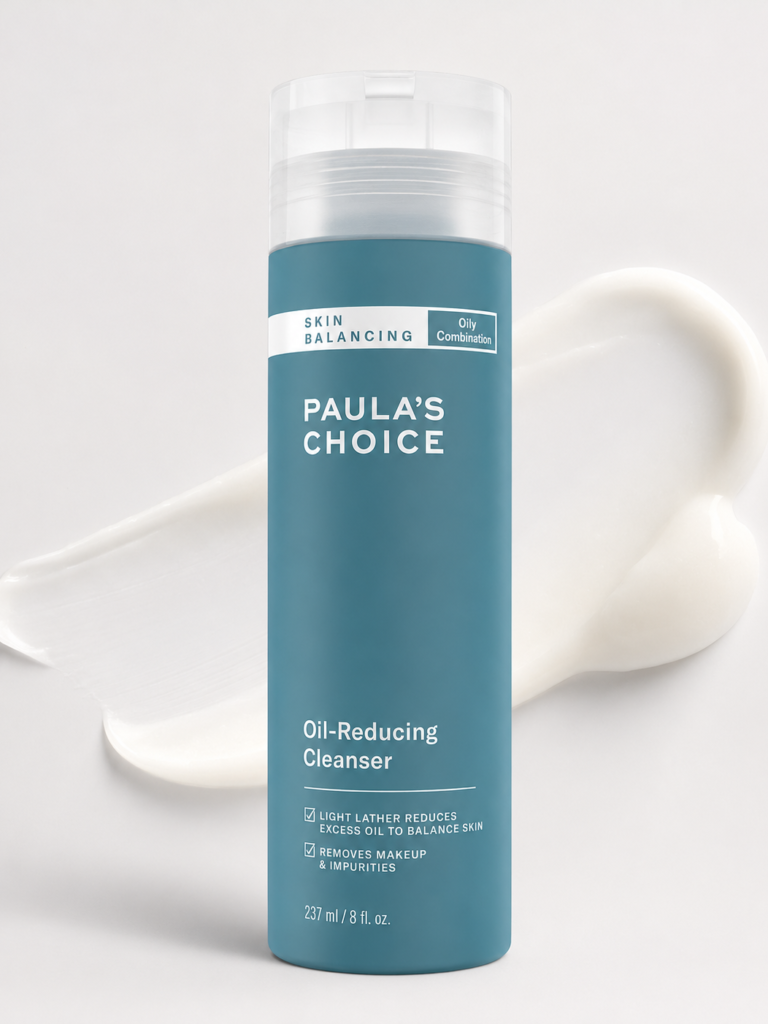
The cleanser I reach for during barrier repair phases is Paula’s Choice Skin Balancing Oil-Reducing Cleanser gentle enough that my skin never feels tight afterward, even when it’s at its most reactive.
Step 3: Use a Moisturizer That Actively Repairs the Barrier
Not all moisturizers are doing the same job. During barrier repair, you need one that contains ingredients that rebuild the barrier structure, not just ones that sit on top and temporarily reduce the feeling of dryness.
Ceramides are the most important ingredient to look for. They are a core structural component of the barrier and are directly depleted when it’s damaged. A moisturizer with ceramides actively replaces what’s been lost.
Cholesterol and fatty acids work alongside ceramides to restore the lipid matrix that holds the barrier together. Formulas that contain all three in balance are more effective at barrier repair than those with ceramides alone.
Panthenol (vitamin B5) soothes inflammation and supports skin healing. It’s well-tolerated even by very reactive skin.
Glycerin and hyaluronic acid help hold water in the skin, which is essential while the barrier is too compromised to do that job effectively on its own.
Apply moisturizer while skin is still slightly damp after cleansing to maximize how much hydration it retains, and consider applying a second layer before bed during the repair period.
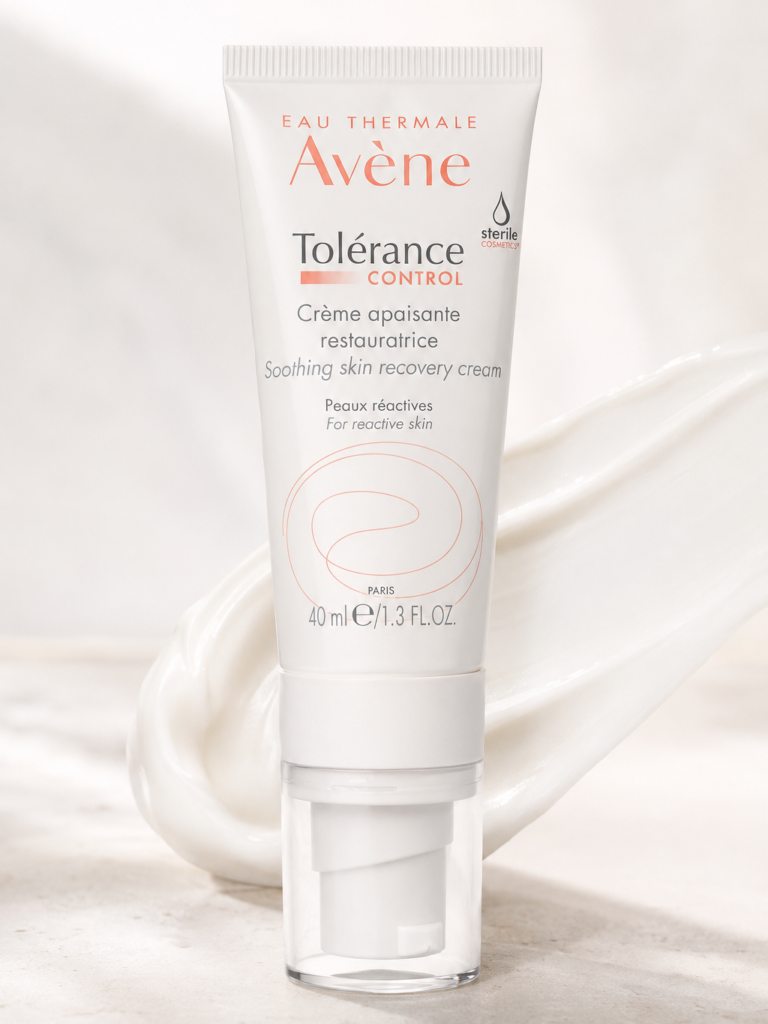
The moisturizer I use during barrier repair Avène Tolerance Control Soothing Skin Recovery Cream it calms reactivity quickly and my skin consistently feels more settled by morning.
If your skin feels tight, reactive, or easily irritated, my guide to the best moisturizers for damaged skin barrier can help you compare formulas that focus on barrier repair, comfort, and long-term hydration.
Step 4: Protect with SPF Every Morning
UV exposure impairs barrier repair and causes additional damage to an already-vulnerable surface. SPF is non-negotiable during the healing period if anything, it’s more important now than when your skin is healthy.
If your skin is highly reactive, a mineral SPF is worth choosing over chemical filters, which can cause stinging on damaged skin. Fragrance-free is also important during this phase.
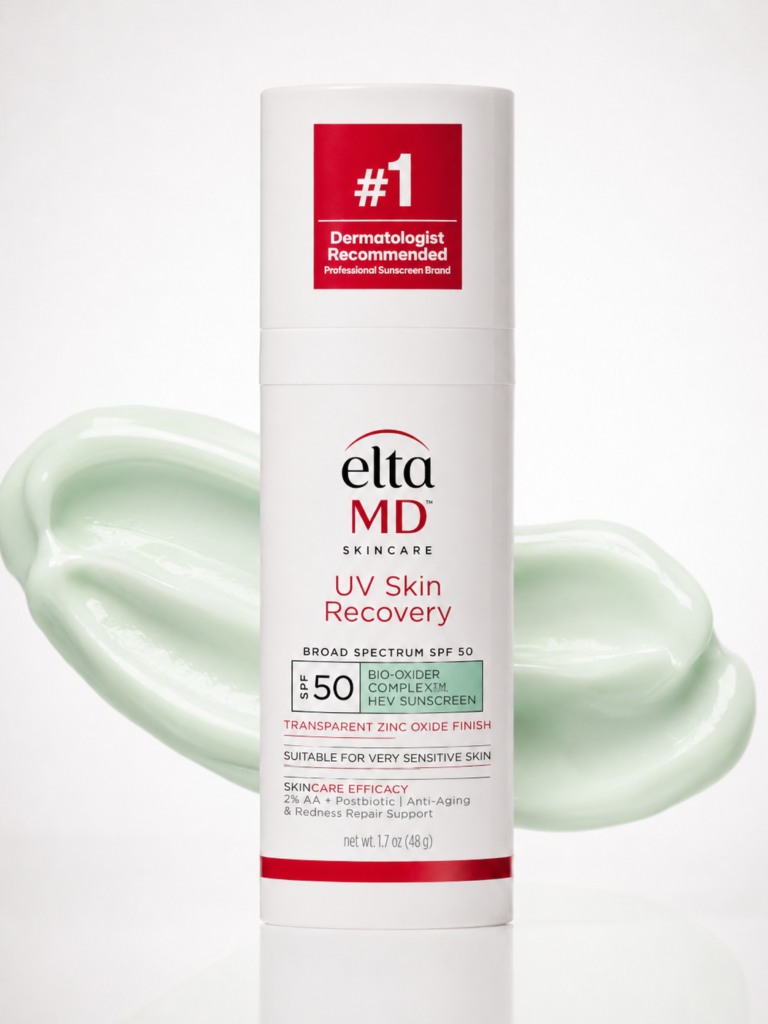
The SPF I use every morning EltaMD UV Skin Recovery Face Sunscreen mineral formula, no white cast, and it’s never stung or irritated my skin even during recovery periods.
A mildly damaged barrier can show significant improvement within one to two weeks of a simplified routine. More significant damage from months of over-exfoliation or sustained harsh product use may take four to six weeks before skin feels reliably comfortable again.
The temptation to reintroduce actives as soon as skin starts feeling better is real, but reintroducing them too early is one of the most common reasons people end up back where they started. Wait until your skin feels genuinely settled comfortable with products, no stinging, no unusual reactivity before adding anything back.
How to Reintroduce Active Ingredients After Barrier Repair
Once your skin feels stable, bring actives back one at a time with at least two weeks between each new introduction. This lets you identify quickly if something causes a reaction, and it gives your skin time to adapt without being overwhelmed.
Start with the gentlest options first. A low-concentration niacinamide formula or a vitamin C derivative are good first steps both are well-tolerated and supportive of barrier health. For niacinamide specifically, this guide covers exactly how to use it: Niacinamide: What it does for your skin and how to use it the right way.
Save retinol and exfoliating acids for later, and when you do reintroduce them, start at the lowest frequency once a week before building up. How to introduce each without repeating the damage is covered here: Retinol for beginners: How to start without irritation and How to use Vitamin C serum without irritating your skin.
Quick Reference: Damaged Barrier vs. Other Skin Issues
Sometimes it’s hard to know whether you’re dealing with barrier damage or something else. Here’s a simple way to tell them apart:
It’s probably barrier damage if:
- Multiple symptoms appeared around the same time
- Your skin recently became reactive to products it used to tolerate
- You’ve been exfoliating frequently or using multiple actives
- Simplifying your routine makes your skin feel better within days
It might be something else if:
- Only one symptom is present (for example, breakouts with no sensitivity)
- Your skin has always been reactive, not just recently
- Simplifying your routine makes no difference after two weeks
When in doubt, a dermatologist can give you a clear picture especially if your symptoms are severe or don’t improve with a simplified routine.
Your Skin Cannot Absorb What It Cannot Tolerate
A damaged skin barrier is one of the most common and most underdiagnosed reasons a skincare routine stops working. It looks like dryness, sensitivity, breakouts, or dullness and it responds to none of the obvious fixes because the obvious fixes are often part of what caused it.
The solution is always the same: simplify, repair, protect, and wait. It’s not complicated, but it does require patience and the discipline to do less when everything in you wants to do more.
Get the barrier back first. Everything else the actives, the brightening, the targeted treatments work so much better on skin that’s actually healthy underneath.
For a solid foundation routine that respects the barrier while still addressing your skin concerns, My simple AM & PM skincare routine for glowing skin is the right place to start. And if dullness brought you here, because a compromised barrier is one of the most common causes of flat, lackluster skin Why your skin still looks dull in the morning (and how to fix it) shows exactly how to address that once the barrier is back on track.