
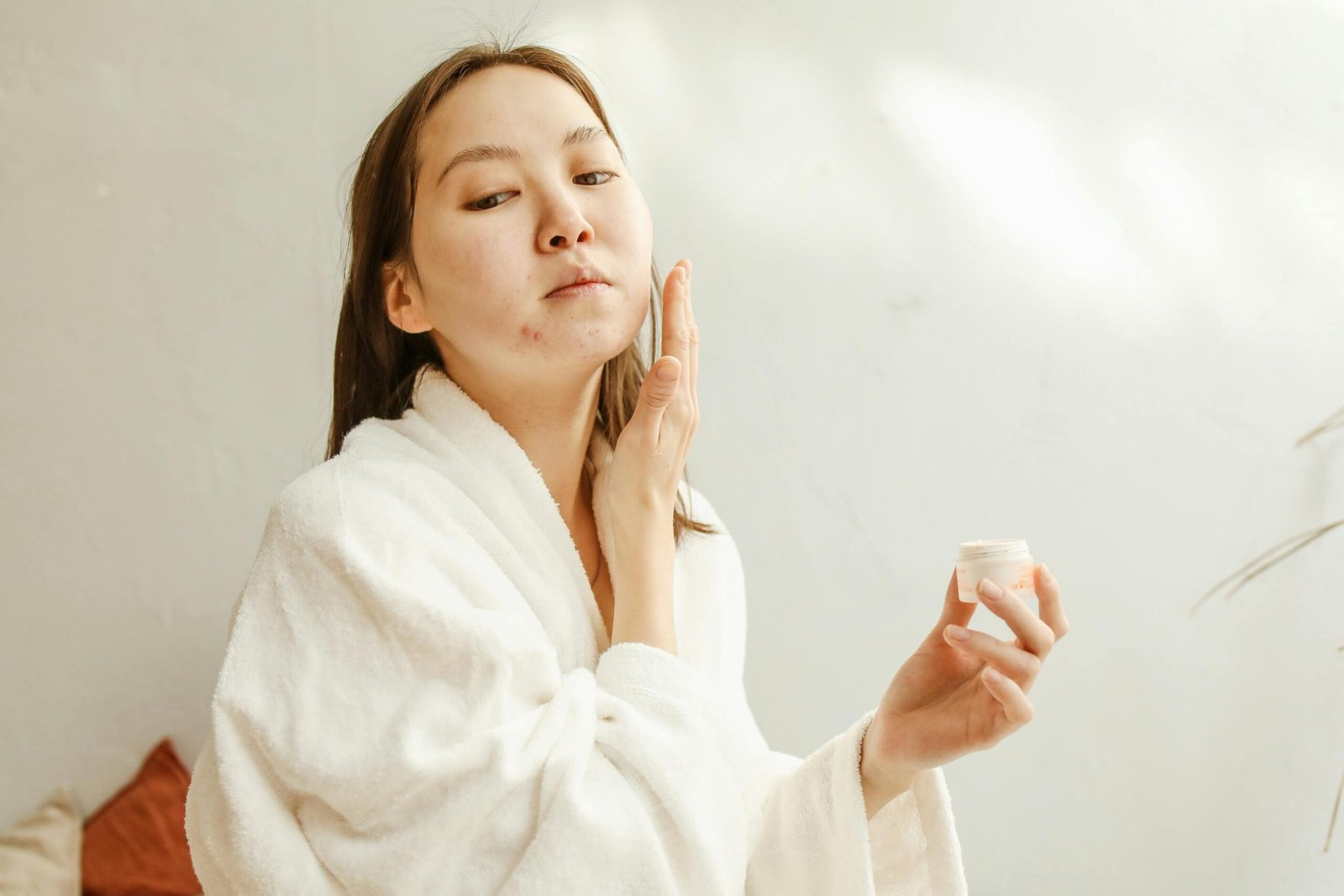
You finally got the breakout under control. The pimple is gone, the inflammation has settled and what’s left behind is a red, brown, or purple mark that refuses to fade. Sometimes for weeks. Sometimes for months. Sometimes longer.
Post-acne marks are one of the most frustrating parts of dealing with breakouts, partly because they linger long after the actual acne is gone, and partly because most of the advice for fading them is either too vague to be useful or focused on harsh treatments that often make things worse.
This guide breaks down what’s actually causing those marks, the difference between the two main types, because the right treatment depends on which one you’re dealing with and the ingredients that genuinely work to fade them. No miracle cures, no overnight promises. Just what actually helps.
Affiliate disclosure: This post contains affiliate links. As an Amazon Associate, I earn from qualifying purchases at no extra cost to you.
The Two Types of Post-Acne Marks (And Why It Matters)
Not all marks are the same, and treating them as if they are is one of the main reasons people don’t see results. There are two distinct types, and they respond to very different things.
Post-Inflammatory Erythema (PIE) – The Red Marks
PIE is the flat, pink, red, or purple mark left behind after an inflamed pimple heals. It’s not pigmentation, it’s residual damage to the small blood vessels under the skin from the inflammation that caused the breakout in the first place.
PIE is more common in lighter skin tones, and it tends to fade on its own over time typically two to six months, but it can be slow, and certain ingredients can speed up the process.
Post-Inflammatory Hyperpigmentation (PIH) – The Dark Spots
PIH is the flat brown, tan, or dark gray mark that appears after a breakout. It’s caused by excess melanin production triggered by the inflammation. The skin produces extra pigment as part of the healing response, and that pigment gets left behind in the spot where the pimple was.
PIH is more common in medium to deep skin tones, and it can persist much longer than PIE sometimes a year or more without treatment. The good news is that it responds well to the right ingredients, often more reliably than PIE does.
Quick way to tell them apart:
- Press gently on the mark with a clear glass or your fingertip. If the mark disappears or fades under pressure, it’s PIE. If it stays the same color, it’s PIH.
What Actually Fades Post-Acne Marks
There are five ingredients with strong evidence behind them for fading post-acne marks. The right combination depends on whether you’re dealing with PIE, PIH, or both and on what your skin can tolerate.
Vitamin C
Vitamin C is one of the most well-researched ingredients for fading post-acne marks. It interferes with melanin production, which directly addresses PIH, and it provides antioxidant protection that supports overall skin healing which helps with both PIE and PIH.
Used consistently every morning, vitamin C gradually evens out tone over weeks and months. It’s not fast, but it’s reliable.
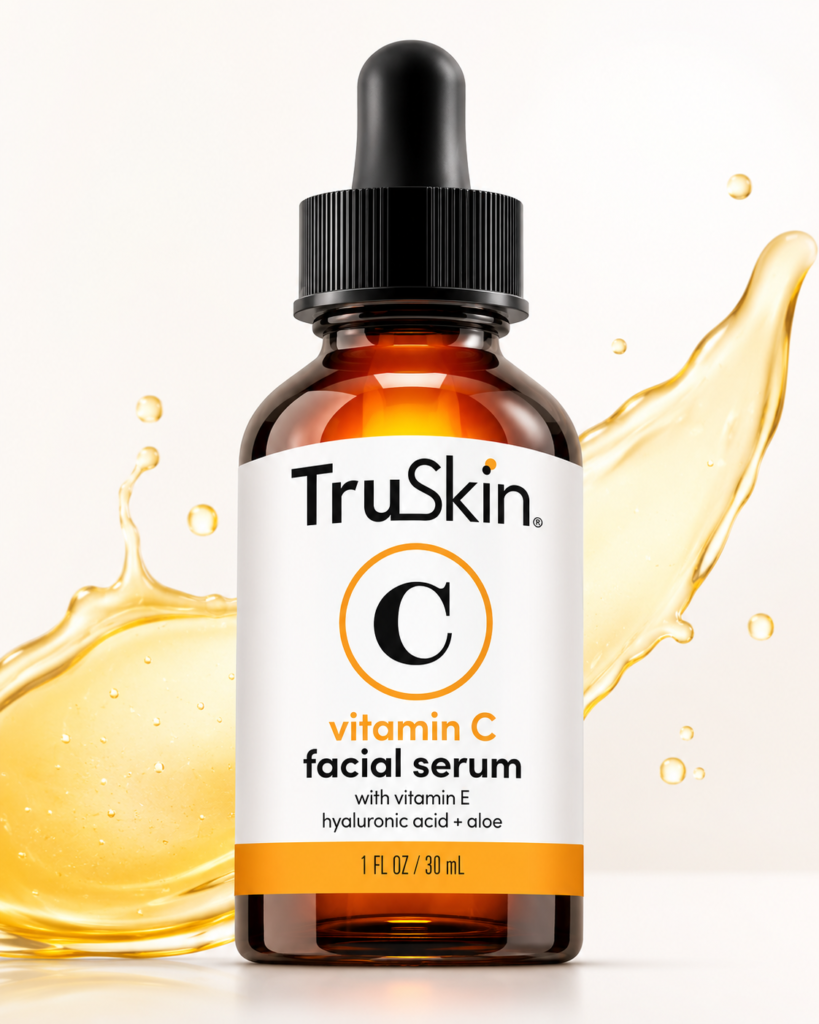
The vitamin C serum I use every morning is TruSkin Vitamin C Serum a 10% formula that’s gentle enough for daily use without overwhelming the skin, and over time it’s made a visible difference in how even my skin tone looks.
A few practical notes:
- L-ascorbic acid at 10-15% is the most studied form. Higher concentrations aren’t necessarily better they often just cause more irritation.
- For sensitive skin, derivatives like ascorbyl glucoside or sodium ascorbyl phosphate are gentler entry points.
- Always apply to dry skin, give it a minute to absorb, and follow with SPF.
For a full guide on how to use vitamin C without irritating your skin, this covers everything: How to Use Vitamin C Serum Without Irritating Your Skin.
If your main concern is dullness or uneven tone after breakouts, my guide to the best vitamin C serums for dull skin can help you compare formulas that are easier to fit into a morning routine.
Niacinamide
Niacinamide is one of the most universally well-tolerated ingredients in skincare, and it’s particularly useful for post-acne marks because it works on multiple fronts at once.
It reduces melanin transfer to skin cells (helping fade PIH), it has anti-inflammatory effects that help calm residual redness (helping fade PIE), and it supports the skin barrier which matters because a healthy barrier heals faster and produces less new pigmentation in response to future breakouts.
Niacinamide can be used both morning and evening, layers well with almost everything, and rarely causes irritation even on sensitive skin.
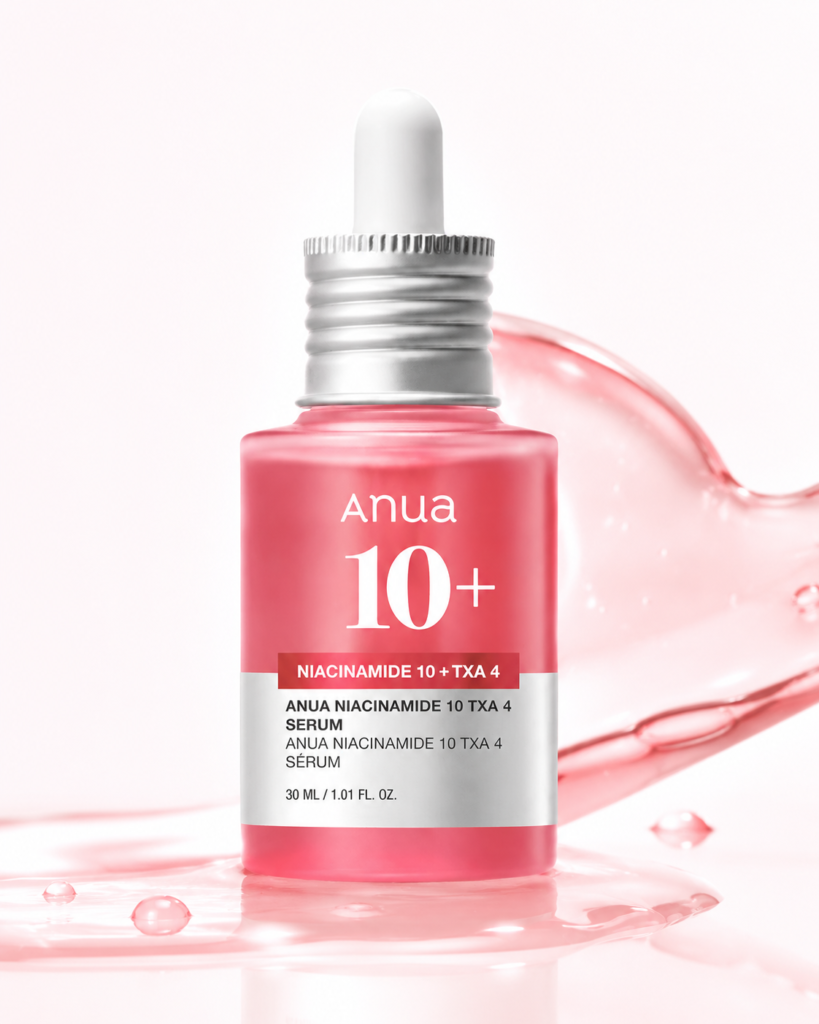
The serum I use consistently is Anua Niacinamide 10% + TXA 4%, that’s calmed reactivity, evened out my tone, and worked alongside vitamin C without any conflict.
For a full breakdown of what niacinamide does and how to use it: Niacinamide: What It Does for Your Skin and How to Use It the Right Way.
Retinol
Retinol speeds up skin cell turnover, which means the surface skin holding the discolored cells is shed faster and replaced with new, evenly pigmented skin underneath. Over time, this fades PIH significantly and improves overall texture and tone.
The trade-off is that retinol takes patience. Visible improvement requires consistent use over eight to twelve weeks minimum, and it requires careful introduction particularly on skin that’s already been through a breakout cycle and may have some lingering sensitivity. The full guide on starting retinol without irritation is here: Retinol for Beginners: How to Start Without Irritation.
Exfoliating Acids – AHAs and BHAs
Chemical exfoliants glycolic acid, lactic acid, mandelic acid, salicylic acid speed up the shedding of pigmented surface cells and reveal fresher skin underneath. They can be effective for PIH, and salicylic acid in particular is useful because it works inside the pore as well, addressing both existing marks and the conditions that lead to new breakouts.
The catch is that exfoliating acids can be too aggressive on already-irritated skin. Used incorrectly or too frequently, they cause more inflammation which can lead to more PIH, not less. Once or twice a week is enough for most skin. If you’re already using vitamin C and retinol, additional acids may be overkill.
Sunscreen – The One That Makes Everything Else Work
This is the ingredient most people skip when treating post-acne marks, and skipping it is the single most common reason marks don’t fade.
UV exposure activates melanin production. When sun hits skin that’s already producing extra pigment in healing areas, the marks get darker and more stubborn and any progress you’ve made with vitamin C, niacinamide, or retinol gets undone every day you skip SPF.
Daily broad-spectrum SPF 30 minimum, ideally SPF 50, is non-negotiable when you’re trying to fade post-acne marks.
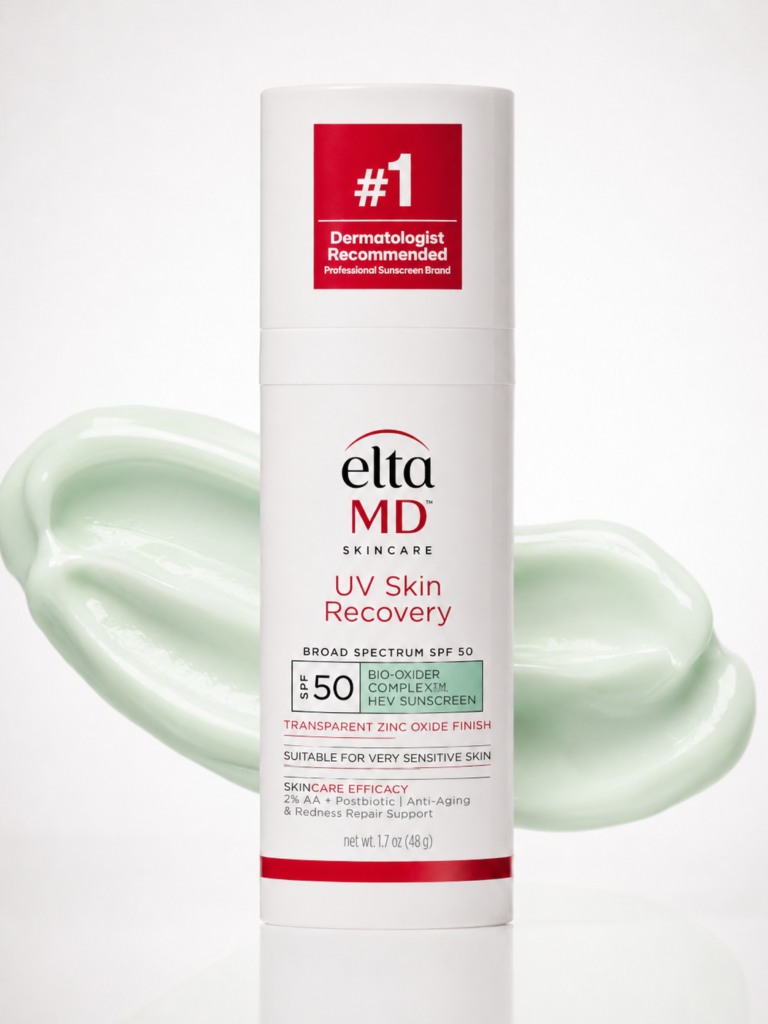
The SPF I wear every morning is EltaMD UV Skin Recovery Face Sunscreen lightweight, no white cast, and it never disrupts the rest of my routine.
For a full guide on choosing and using sunscreen, this covers everything: SPF for Beginners: How to Choose and Use Sunscreen Every Day.
A Realistic Routine for Fading Post-Acne Marks
You don’t need to use every effective ingredient at once in fact, doing so usually backfires. A focused, consistent routine using two or three of these ingredients will outperform a complicated routine that overwhelms your skin.
Morning:
- Gentle cleanser
- Vitamin C serum (apply to dry skin)
- Niacinamide (optional, can be combined with vitamin C they work fine together despite older myths)
- Moisturizer
- SPF 50
Evening:
- Gentle cleanser (double cleanse if you’ve worn SPF or makeup)
- Retinol two to three nights a week, or an exfoliating acid one to two nights a week not both in the same evening
- Niacinamide on the nights you’re not using retinol or acids
- Moisturizer
This is a realistic, sustainable framework. If your skin is tolerating it well after four to six weeks, you can adjust frequency. If it starts feeling reactive, scale back irritation slows down healing and makes marks worse.
How Long Does It Take to Fade Post-Acne Marks?
This is the question people ask most often, and the honest answer requires patience.
PIE (red marks): Typically fades on its own within two to six months. With vitamin C and niacinamide, you can often see meaningful improvement within four to eight weeks.
PIH (dark spots): Usually takes three to six months of consistent treatment to see significant fading. Stubborn or older marks can take up to a year. Skin tone matters here deeper skin tones often hold onto PIH longer because the melanin response is more pronounced.
Combined PIE and PIH: Often layered on top of each other in active acne areas. The PIE component usually fades first, leaving the PIH visible underneath, which can feel like progress is reversing it isn’t. The PIH was always there; you’re just seeing it clearly once the redness is gone.
The most important factor is consistency. Inconsistent use of treatments produces inconsistent results, regardless of which ingredients you’re using.
What Doesn’t Work (And What Makes Things Worse)
Physical scrubs and harsh exfoliation. Scrubbing post-acne marks doesn’t lift the pigment, it irritates the skin and often creates more inflammation, which can deepen PIH or trigger new breakouts.
Lemon juice and DIY treatments. The acid in lemon juice is too aggressive and unpredictable, can cause chemical burns, and increases sun sensitivity dramatically. There’s no upside.
Toothpaste, baking soda, and other internet remedies. None of these have any evidence behind them for fading marks, and most actively damage the skin barrier which slows healing and makes PIH more likely with future breakouts.
Stacking too many actives at once. Vitamin C, retinol, AHA, BHA, and niacinamide all in the same routine, used daily, is too much for almost any skin to handle. The result is barrier damage, more inflammation, and slower fading. Less is more.
Picking and squeezing. This is the most underrated cause of stubborn post-acne marks. Picking deepens inflammation, prolongs healing, and dramatically increases the likelihood of leaving a mark and the more aggressive the picking, the longer the mark stays. Hands off, even when it’s tempting.
If your skin barrier is already compromised from past breakouts or aggressive treatment, addressing barrier health comes before chasing marks. A damaged barrier doesn’t heal efficiently, and any treatment ingredients you apply will cause more irritation than benefit. The full barrier repair guide is here: How to Know If Your Skin Barrier Is Damaged and How to Fix It.
When to See a Dermatologist
Most post-acne marks fade with consistent at-home treatment. But some situations call for professional input.
Marks that haven’t faded at all after six months of consistent treatment may benefit from in-office options like chemical peels, laser treatments, or prescription-strength topicals.
Deep, indented scars pitted scars or rolling scars are different from marks. They’re textural rather than pigment-based, and they don’t respond to topical treatments the way marks do. These need professional treatment like microneedling, laser resurfacing, or filler.
Persistent active acne alongside marks. If you’re still breaking out regularly while trying to fade marks, the new breakouts will keep producing new marks faster than the old one’s fade. The acne needs to be addressed first. If you’re consistently breaking out in the same areas, this guide may help: Why You’re Breaking Out on Your Cheeks and Jaw (And How to Actually Fix It).
What I’d Tell a Friend
Fading post-acne marks isn’t fast, and it isn’t dramatic, but it is reliable when you do it right.
Pick two or three effective ingredients. Use them consistently. Wear sunscreen every single day without exception. Don’t pick at your skin. Give it months, not weeks, before deciding whether something is working.
The people who get the best results aren’t the ones with the most expensive routines or the most aggressive treatments. They’re the ones who stay patient and stay consistent, because that’s what actually works.
For the full morning and evening routine framework that supports this kind of long-term fading, My Simple AM & PM Skincare Routine for Glowing Skin is the right place to start.