

Retinol is one of the most well-researched ingredients in skincare, it can support cell turnover, soften the look of fine lines, improve the appearance of texture, and help fade the look of dark spots over time. But it’s also one of the easiest ingredients to get wrong, especially at the start. Too strong, too fast, and you end up with redness, flaking, and irritation that makes most people give up before they see any benefit.
The secret to retinol isn’t strength, it’s starting low, going slow, and being consistent. The products below are chosen with exactly that in mind: lower-strength, beginner-friendly formulas that let your skin build tolerance gradually, across different budgets and textures.
How I chose these: I focused on lower-strength, well-formulated retinols that are realistic for a beginner to tolerate, nothing high-concentration or aggressive. A true beginner should build tolerance slowly, so every pick here is a sensible starting point rather than a strong treatment formula.
Affiliate disclosure: This post contains affiliate links. As an Amazon Associate, I earn from qualifying purchases at no extra cost to you.
Best for Absolute Beginners: The Ordinary Retinol 0.2% in Squalane
The Ordinary Retinol 0.2% in Squalane is about as gentle an introduction to retinol as you can find. At 0.2%, it’s the lowest strength in The Ordinary’s retinol range, suspended in a squalane base that adds a layer of hydration and cushioning.
Who it’s for: Complete beginners who’ve never used retinol, sensitive skin, and anyone who wants to test how their skin responds before moving up to a stronger formula.
What I like: The low concentration is the whole point; it lets your skin adjust to retinol with a much lower chance of the irritation that scares people off. The squalane base is soothing and helps offset the dryness retinol can cause. It’s also one of the most affordable ways to start, so there’s little risk in trying it.
What to know: This is the entry point in The Ordinary’s retinol range, once your skin has comfortably adjusted over a few months, you can step up to their 0.5% or 1% in the same squalane base. The oil-based texture suits drier skin well, but may feel a little rich on very oily skin.
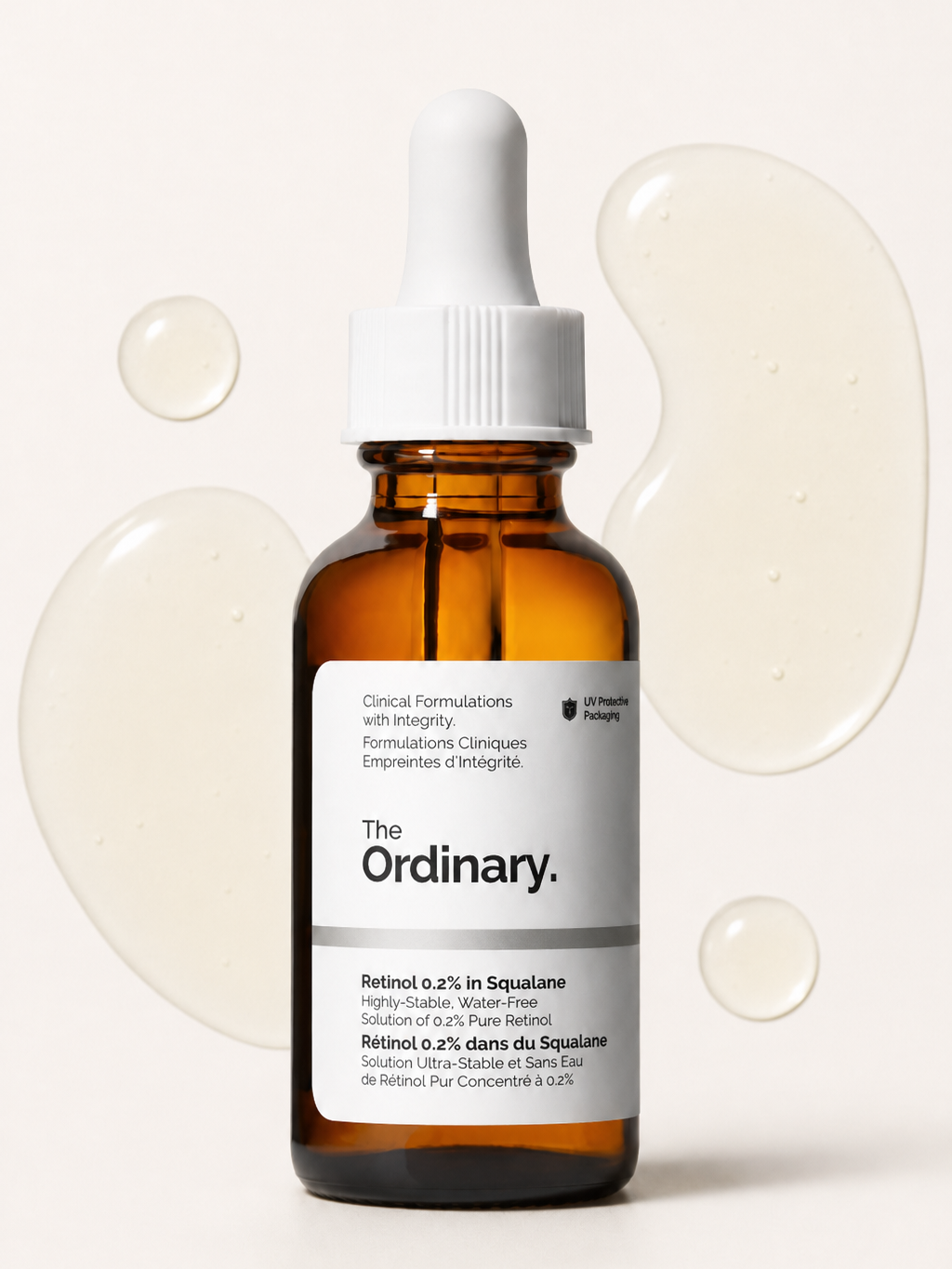
Find it here: The Ordinary Retinol 0.2% in Squalane
Best Overall: Paula’s Choice CLINICAL 0.3% Retinol + 2% Bakuchiol Treatment
Paula’s Choice pairs a beginner-friendly 0.3% retinol with 2% bakuchiol, a plant-derived ingredient often used to complement retinol and support a gentler experience. It’s a well-formulated treatment that balances effectiveness with tolerability, which is exactly what a beginner wants.
Who it’s for: Beginners ready for a step up from the lowest strengths, anyone whose skin is fairly resilient, and people who want a thoughtfully formulated retinol without jumping to a high concentration.
What I like: The 0.3% concentration sits in a sensible beginner range, active enough to show results over time, gentle enough to introduce carefully. The bakuchiol pairing is a nice touch, since it’s often used to make retinol feel more tolerable. Paula’s Choice formulas are reliably well-made, and this one absorbs well without feeling heavy.
What to know: It’s priced above the drugstore options here, but the formulation justifies it. This is a treatment rather than a moisturizer, so you’ll want to apply your moisturizer afterward, particularly helpful in the first few weeks when retinol can feel drying.
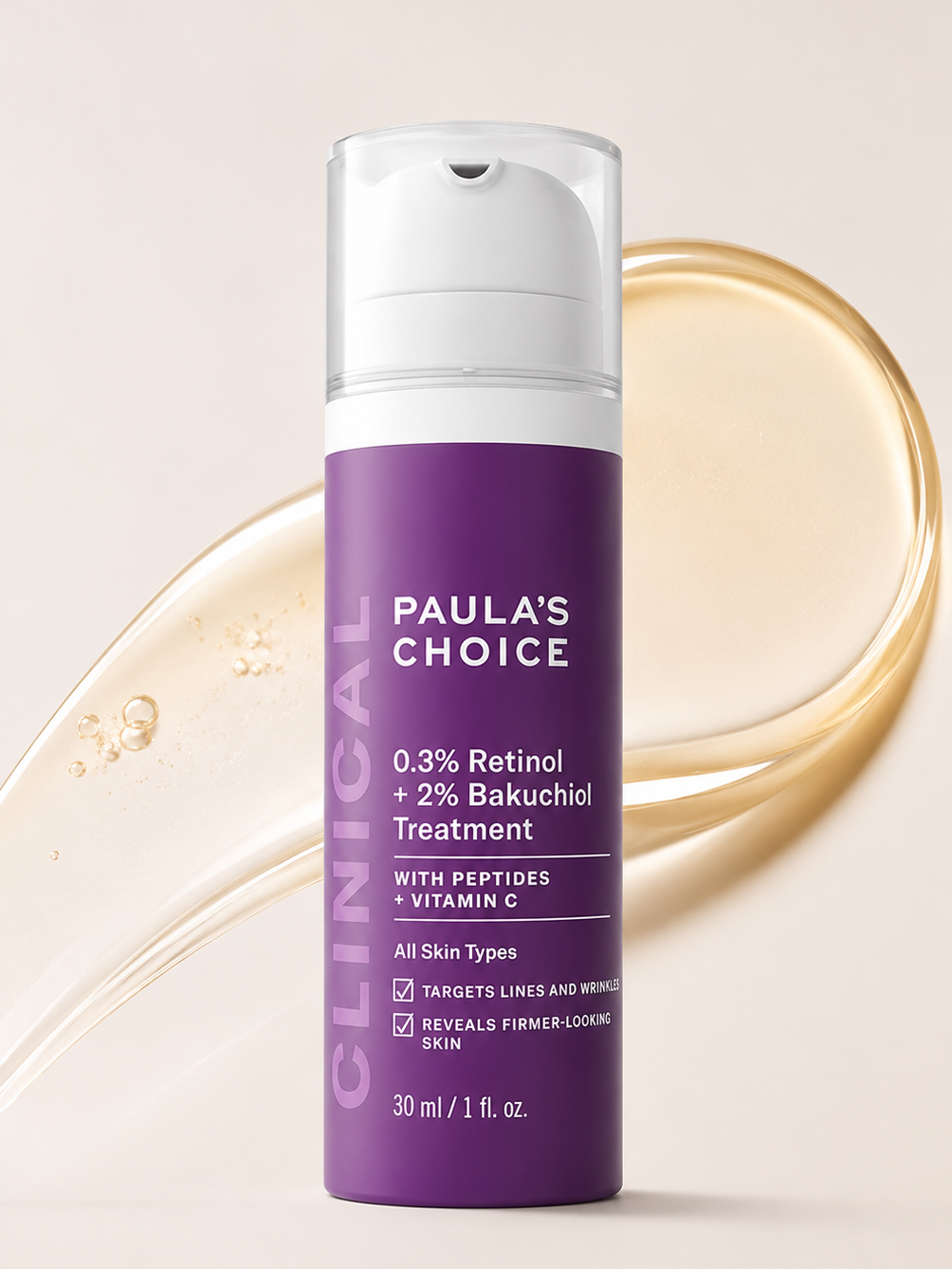
Find it here: Paula’s Choice CLINICAL 0.3% Retinol + 2% Bakuchiol Treatment
Best Gentle Night Cream: Olay Retinol Night Cream
Olay’s Retinol Night Cream combines a lower-strength retinol with niacinamide and peptides in a fragrance-free, non-greasy moisturizer. It’s a good option for anyone who wants retinol built into a moisturizer rather than as a separate serum step.
Who it’s for: Beginners who prefer a simple one-step night cream, anyone with drier skin who wants retinol with extra hydration, and people who find layering separate actives overwhelming.
What I like: Pairing retinol with niacinamide is smart for beginners niacinamide can help support the skin barrier and make retinol easier to tolerate. The cream texture delivers hydration alongside the retinol, which helps offset dryness, and the fragrance-free formula keeps the irritation risk lower. It’s affordable and easy to find.
What to know: As a moisturizer-retinol combo, it’s a gentle introduction rather than a strong treatment. That’s ideal for beginners, but if you’re after more dramatic results down the line, you may eventually want a dedicated retinol serum.
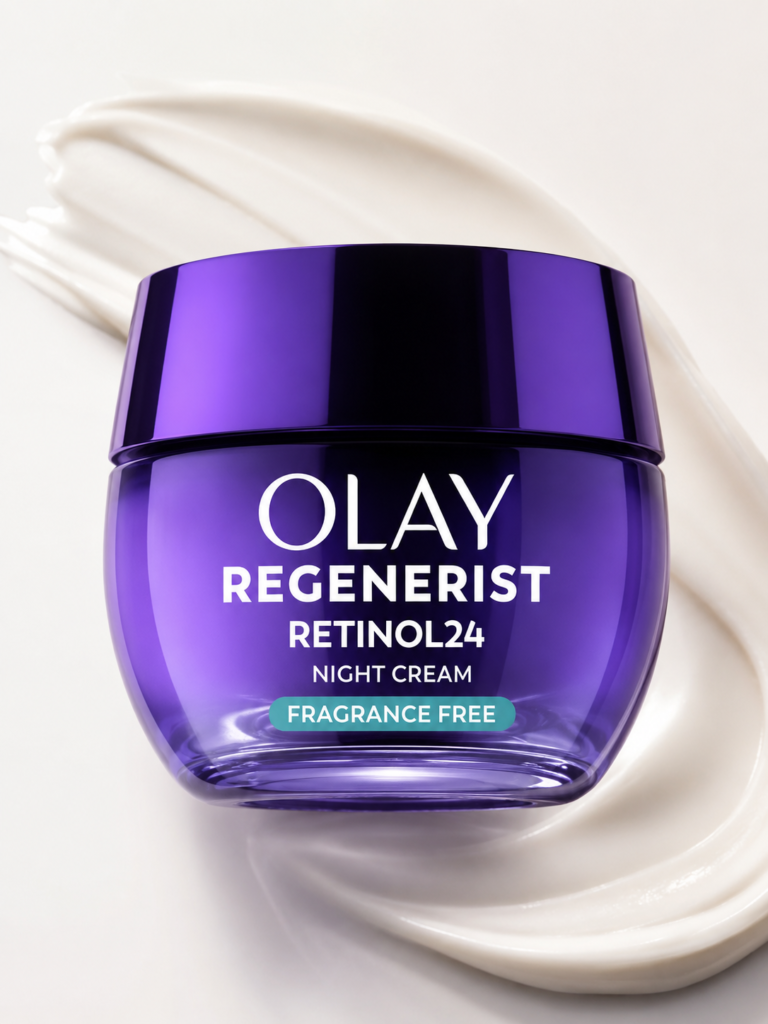
Find it here: Olay Retinol Night Cream
Best Drugstore Retinol for Fine Lines: RoC Retinol Correxion Max Daily Hydration
RoC has been a trusted name in retinol for decades, and this formula pairs a stabilized retinol with hyaluronic acid in an oil-free moisturizer. It’s designed to address the look of fine lines, dark spots, and post-acne marks while keeping the skin hydrated.
Who it’s for: Beginners who want a reliable, established retinol from a brand with a long track record, anyone with combination or oily skin who wants an oil-free option, and people on a drugstore budget.
What I like: RoC’s stabilized retinol is designed to stay effective, and the hyaluronic acid helps counter the dryness retinol can cause. The oil-free texture suits combination and oily skin well, and it’s a sensible everyday option that won’t break the bank. A dependable middle-ground choice.
What to know: This is a moisturizer with retinol rather than a high-strength serum, which is part of why it’s gentle enough for beginners. The oil-free texture is the key differentiator here, it’s the better-suited choice if your skin runs combination or oily and richer creams feel like too much.
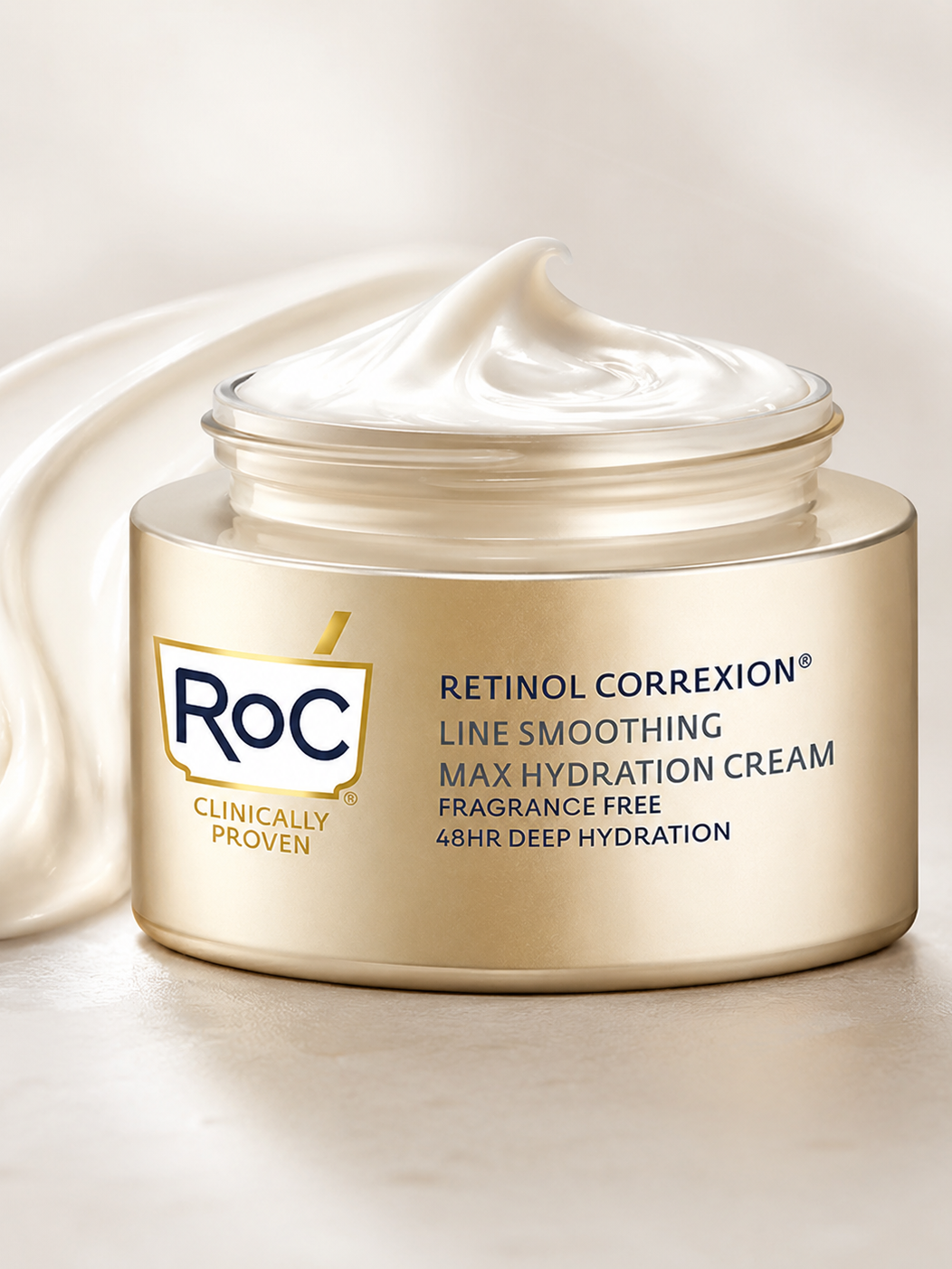
Find it here: RoC Retinol Correxion Max Daily Hydration
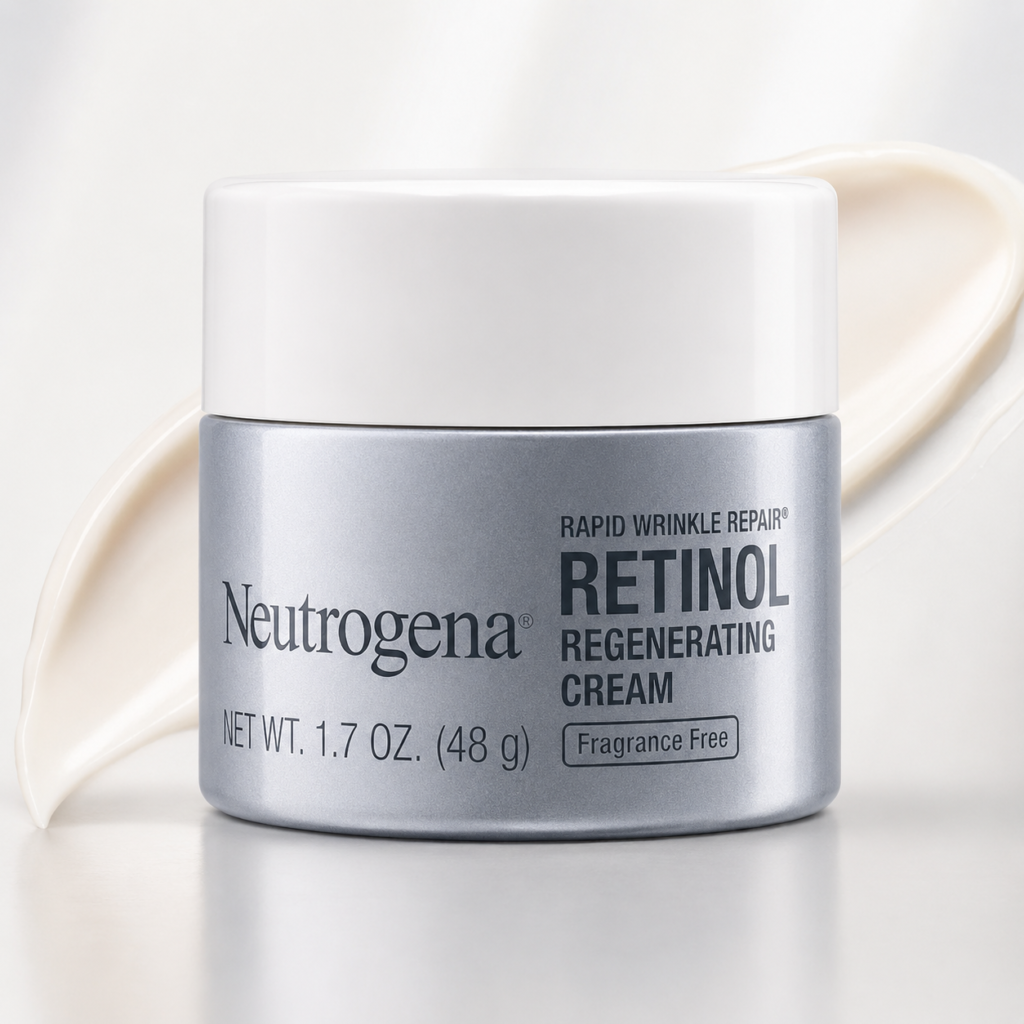
Best Easy-to-Find Beginner Retinol: Neutrogena Rapid Wrinkle Repair
Neutrogena’s Rapid Wrinkle Repair is one of the most widely used drugstore retinols, combining retinol with hyaluronic acid in a fragrance-free formula. It’s an accessible, easy-to-find option that suits beginners well.
Who it’s for: Beginners who want a widely available, affordable retinol, anyone who prefers a lightweight moisturizer texture, and people targeting the look of fine lines and uneven tone.
What I like: The hyaluronic acid pairing helps with hydration, and the fragrance-free formula lowers the irritation risk. It absorbs well and layers easily, and because it’s so widely available, it’s simple to repurchase. A solid, no-fuss everyday retinol for getting started.
What to know: The texture is on the lighter side for a retinol moisturizer, which makes it easy to layer and comfortable for most skin types. It’s widely stocked, so it’s one of the simplest options to find and repurchase without ordering specially.
Find it here: Neutrogena Rapid Wrinkle Repair
Quick Reference: Which One Is Right for You?
You’ve never used retinol and want the gentlest start: The Ordinary Retinol 0.2% in Squalane.
You want the best all-round beginner formula: Paula’s Choice 0.3% Retinol + Bakuchiol.
You prefer a simple one-step night cream: Olay Retinol Night Cream.
You want a reliable drugstore option for oily/combination skin: RoC Retinol Correxion Max Daily Hydration.
You want a widely available, affordable pick: Neutrogena Rapid Wrinkle Repair.
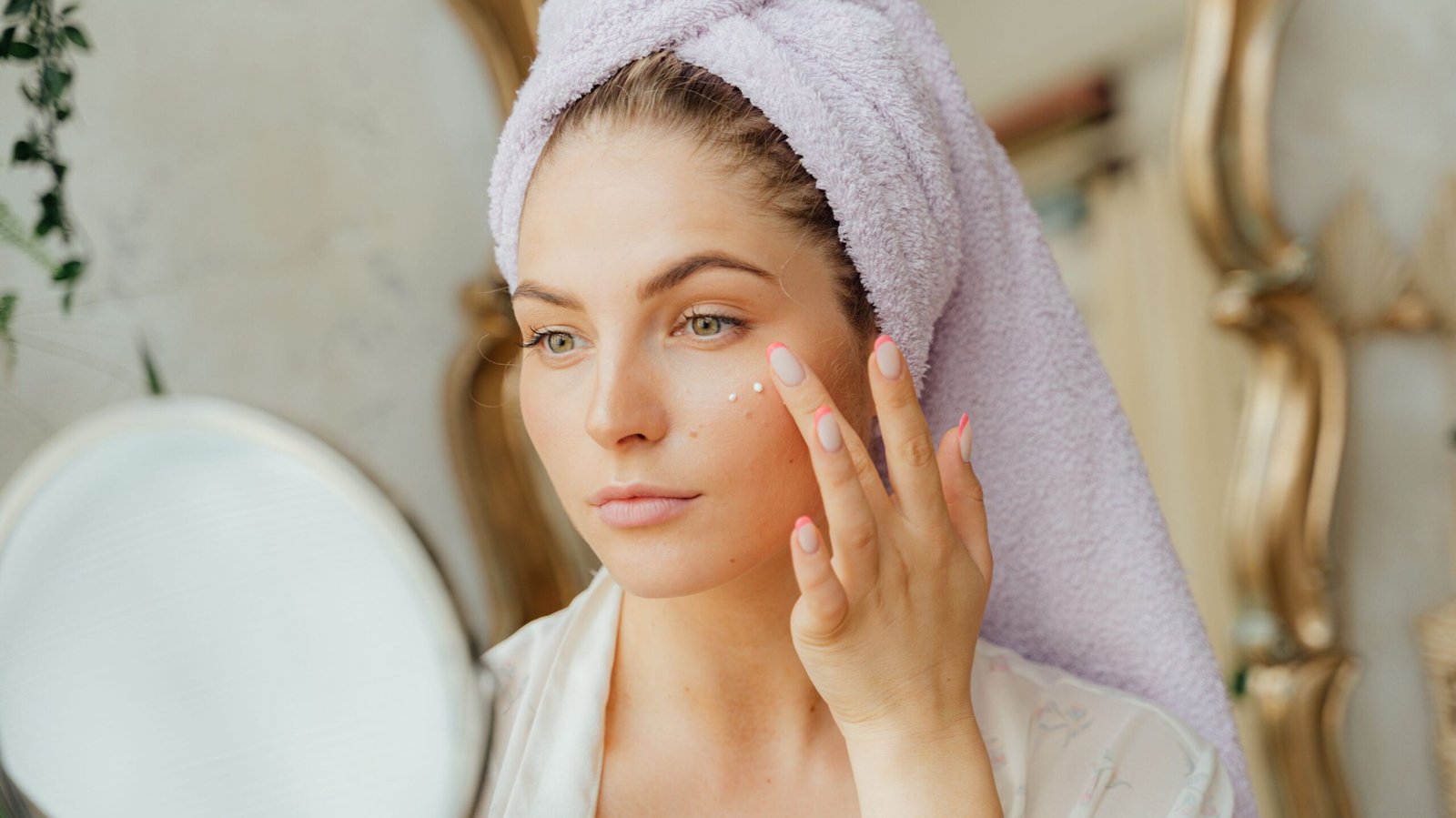
How to Use Retinol When You’re Starting Out
The product matters, but how you introduce it matters more. A few principles that make the difference between results and irritation:
Start slow. Two to three nights a week to begin, building up gradually as your skin adjusts. Going nightly from the start is the most common beginner mistake.
Apply at night, to dry skin. Retinol breaks down in sunlight, so it’s an evening product. Applying to dry skin rather than damp skin also reduces the chance of irritation.
Always follow with SPF. Retinol increases sun sensitivity, so daily sunscreen isn’t optional while using it. For choosing the right one: SPF for Beginners: How to Choose and Use Sunscreen Every Day.
Don’t mix it with other strong actives at first. Avoid using retinol in the same routine as exfoliating acids or vitamin C while you’re building tolerance. For how to combine actives safely later on: How to Layer Niacinamide, Vitamin C, and Retinol Without Conflict.
Moisturize. A good moisturizer helps offset the dryness retinol can cause, especially in the first few weeks. Apply it after your retinol has absorbed.
Be patient. Retinol works on a longer timeline than most ingredients, meaningful results typically take eight to twelve weeks of consistent use. Don’t judge it after two weeks.
Who should be careful with Retinol
Retinol isn’t the right active for everyone. Avoid retinoids during pregnancy, while breastfeeding, or while trying to conceive unless your doctor says otherwise. And if your skin barrier is currently damaged: burning, peeling, or reacting to basic products, pause retinol and focus on barrier repair first. This guide explains how to recognize it: How to Know If Your Skin Barrier Is Damaged and How to Fix It. Retinol works best on skin that’s calm enough to tolerate it.
The Bottom Line
The best beginner retinol isn’t the strongest one, it’s the one gentle enough that you’ll actually stick with it. Start low, go slow, and let your skin build tolerance over time.
For the full step-by-step guide on starting retinol without irritation, this is the place to go: Retinol for Beginners: How to Start Without Irritation. And to build it into your complete routine, this AM & PM Skincare Routine guide covers every step.