
Anti-aging skincare is full of promises. Every brand has a “miracle” ingredient, every new launch claims to “reverse” something, and every social media trend pushes some hot new compound that’s apparently going to change everything. Most of it doesn’t deliver, and the few ingredients that actually work get buried under marketing noise that makes them harder to find, not easier.
The truth is simpler than the industry wants it to look. There’s a small group of ingredients with decades of clinical evidence behind them; ingredients that genuinely slow visible aging, improve skin texture, support collagen, and protect against the damage that drives most of what we associate with aging skin. This guide covers exactly those ingredients, what each one does, and how to use them without overcomplicating your routine.
What “Anti-Aging” Actually Means
Before getting into specific ingredients, it’s worth defining what skincare can and can’t do.
What it can do:
- Slow new damage from UV exposure and free radicals
- Support the skin’s own collagen production
- Improve cell turnover and surface texture
- Fade pigmentation and even out tone
- Strengthen the barrier so skin holds moisture and resilience better
What it can’t do is erase deep wrinkles, replace surgical procedures, or reverse decades of cumulative damage overnight. Skincare is a long game of prevention plus gradual improvement. The ingredients below are the ones with the strongest evidence for actually delivering on that used consistently, over months and years.
Affiliate disclosure: This post contains affiliate links. As an Amazon Associate, I earn from qualifying purchases at no extra cost to you.
1. Sunscreen (Yes, This Is the #1 Anti-Aging Ingredient)
This isn’t always called an “ingredient” in the same way actives are, but it’s the single most important anti-aging step you can take, full stop.
UV exposure accounts for roughly 80% of visible skin aging. The fine lines, uneven tone, loss of firmness, and dark spots that most people spend money trying to fix are largely caused and accelerated by cumulative sun damage. Every day without SPF, more of that damage is happening, regardless of whether you can see it yet.
What it does:
- Blocks UV rays that drive collagen breakdown and pigmentation
- Protects every other active ingredient from being undone by sun damage
- Prevents new fine lines, dark spots, and loss of firmness over time
How to use it: Broad-spectrum SPF 30 minimum, ideally SPF 50, applied every morning regardless of weather or season. Most anti-aging actives increase sun sensitivity, which makes daily SPF even more critical when using them.
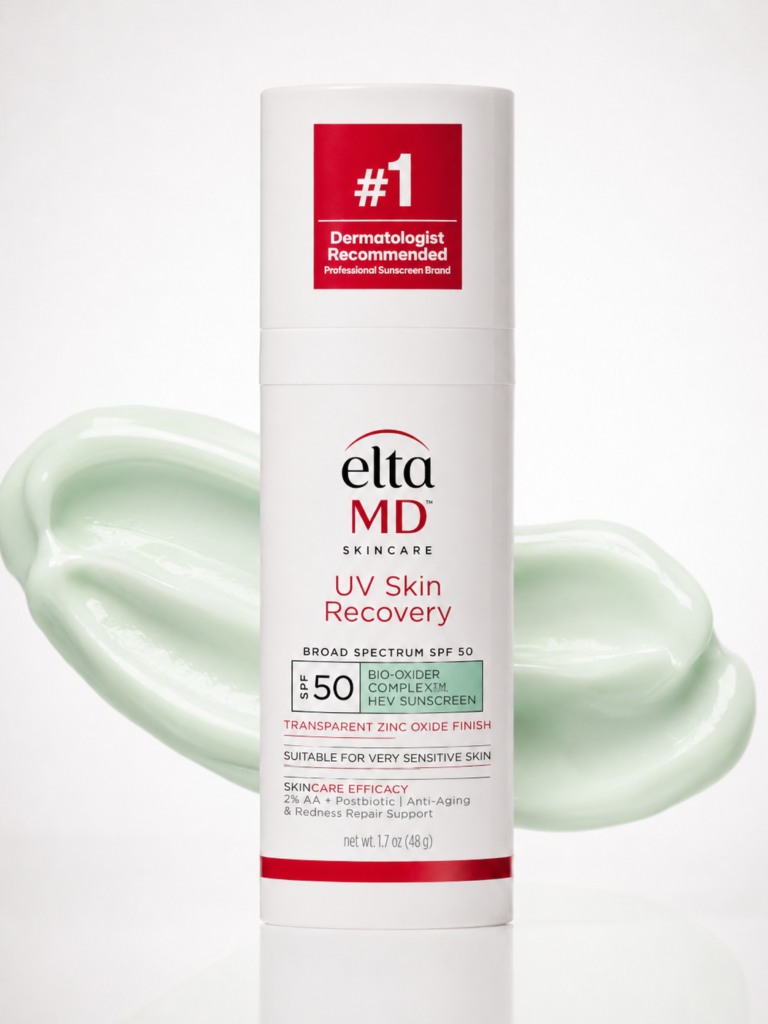
The SPF I use every morning is EltaMD UV Skin Recovery Face Sunscreen lightweight, no white cast, and it sits well under makeup and everything else without disrupting the routine.
If sunscreen usually feels heavy or greasy on your skin, start with my SPF for beginners guide.
For oily or acne-prone skin, I put together a separate guide to lightweight sunscreen options that are easier to wear every day.
2. Retinol (And Other Retinoids)
Retinol is the most well-researched anti-aging ingredient available without a prescription. It’s a derivative of vitamin A, and it works on multiple fronts at once: accelerating cell turnover, supporting collagen production, fading pigmentation, smoothing texture, and reducing fine lines.
The retinoid family includes retinol, retinaldehyde (one step stronger), and prescription tretinoin (strongest). For most people, OTC retinol at 0.1-1% is the right starting point. Stronger isn’t always better; irritation slows results, and a well-tolerated 0.3% formula used consistently outperforms a 1% formula that causes you to give up after two weeks.
What it does:
- Stimulates collagen production
- Speeds up cell turnover (newer skin reaches the surface faster)
- Fades pigmentation and post-acne marks
- Smooths texture and reduce fine lines
How to use it: Evenings only, retinol increases sun sensitivity, so it goes at night. Start two to three times a week, build up to four or five nights as tolerated. Always pair with SPF the next morning.
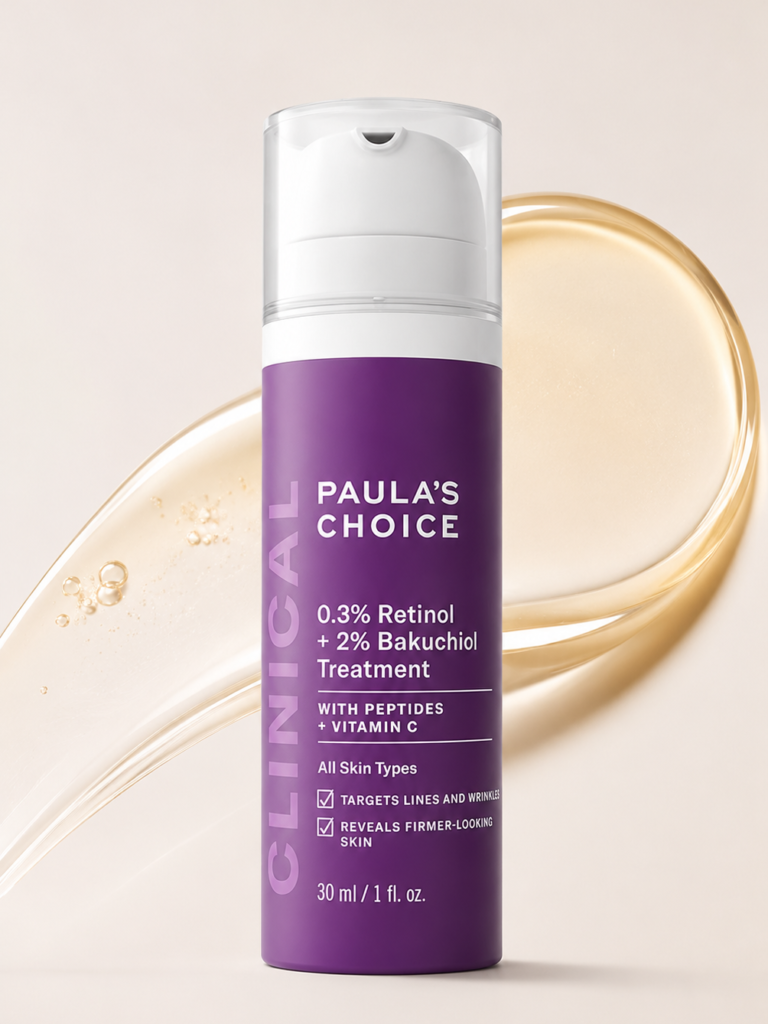
The retinol I use is Paula’s Choice CLINICAL 0.3% Retinol combined with bakuchiol, gentle enough to introduce slowly and effective enough to deliver real results over time without aggressive irritation.
If you are new to retinol, start with my guide to Retinol for beginners: How to start without irritation. And if you want help choosing a gentler formula, I also rounded up the best retinol products for beginners.
3. Vitamin C
Vitamin C is the most studied antioxidant in skincare. Its primary job is to neutralize free radicals, the unstable molecules created by UV exposure and pollution that break down collagen and trigger uneven pigmentation. It also gradually fades existing dark spots and brightens overall tone.
Used every morning, vitamin C amplifies the protective effect of sunscreen. The two work better together than either does alone, and combining them is one of the most effective daytime anti-aging strategies available.
What it does:
- Neutralizes free radical damage
- Supports collagen production
- Fades pigmentation and evens tone
- Brightens overall complexion
How to use it: Mornings, applied to dry skin, before moisturizer. Most effective at 10-20% L-ascorbic acid for skin that tolerates it. For sensitive skin, gentler derivatives like ascorbyl glucoside or sodium ascorbyl phosphate are better entry points.
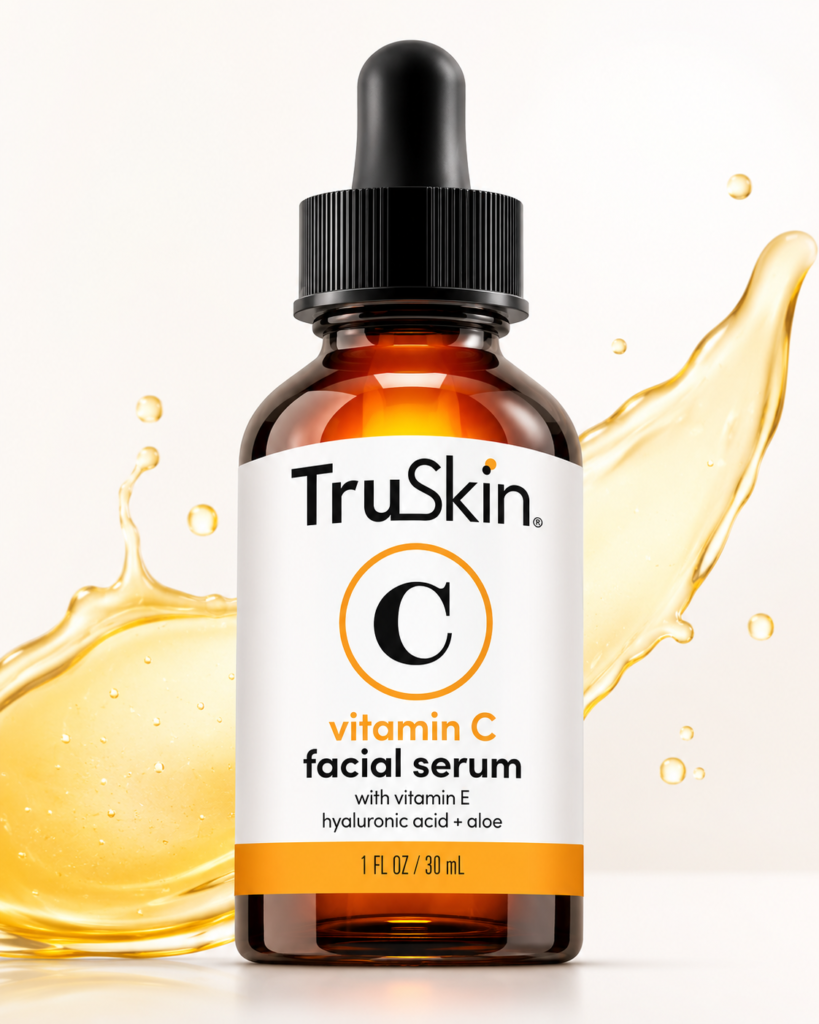
The vitamin C I use every morning is TruSkin Vitamin C Serum, formula gentle enough for daily use and stable enough that it doesn’t oxidize before I finish the bottle.
For the full guide on introducing vitamin C without irritation: How to use vitamin C serum without irritating your skin.
4. Niacinamide
Niacinamide is one of the most versatile ingredients in skincare and the most underrated anti-aging tool. It strengthens the skin barrier, reduces inflammation, regulates oil production, evens tone, minimizes pore appearance, and supports overall skin health – all without the irritation potential of more aggressive actives.
For anti-aging specifically, niacinamide matters for two reasons. First, a healthy skin barrier ages slower than a compromised one; every day with a strong barrier is a day skin holds onto moisture, resilience, and structural integrity better. Second, it supports the skin when stronger actives like retinol are part of the routine.
What it does:
- Strengthens the skin barrier
- Reduces redness and inflammation
- Improves tone and minimizes pore appearance
- Makes other actives like retinol and vitamin C more tolerable
How to use it: Morning, evening, or both. Layers well with almost everything. Look for 5-10% concentration. For the full breakdown: Niacinamide: What it does for your skin and how to use it the right way.
5. Hyaluronic Acid
Hyaluronic acid isn’t anti-aging in the traditional sense, it doesn’t stimulate collagen or fade pigmentation, but it addresses one of the most visible signs of aging skin: dehydration.
Aging skin holds onto water less efficiently than younger skin does. The result is fine lines that look deeper, texture that looks flatter, and a complexion that loses the plumpness that makes skin look healthy. Hyaluronic acid draws water into the skin’s surface and holds it there, which restores some of that plumpness and softens the appearance of fine lines.
What it does:
- Holds water in the surface layers of the skin
- Plumps and smooths the appearance of fine lines
- Supports a more hydrated, less flat complexion
How to use it: Apply to damp skin, follow with moisturizer to seal it in. For a complete guide on using, it correctly: Hyaluronic acid for beginners: Are you using it wrong?
6. Peptides
Peptides are short chains of amino acids that signal the skin to perform specific functions, most relevant to anti-aging, they signal the skin to produce more collagen. They’re not as well-researched as retinol or vitamin C, but evidence for topical peptides has grown significantly in recent years.
Peptides are particularly useful for skin that doesn’t tolerate retinol well, or as a supportive addition once a core routine is established. They’re not a replacement for retinol, they work through a different mechanism with more modest results, but they’re a meaningful addition for many people.
What they do:
- Signal collagen production
- Improve skin firmness over time
- Well-tolerated even by sensitive or barrier-compromised skin
How to use them: Morning or evening, as part of a serum or moisturizer. Look for products with multiple peptides (signal peptides, carrier peptides) for the most comprehensive effect.
7. Ceramides
Ceramides aren’t talked about as “anti-aging” the way retinol and peptides are, but they’re one of the most important ingredients for keeping skin looking younger over time. Ceramides are a core structural component of the skin barrier, they hold the skin’s lipid matrix together, keep moisture locked in, and keep irritants and damage out.
The skin produces less ceramides with age, which is part of why aging skin tends to be drier, more reactive, and slower to recover from environmental stressors. Topical ceramides directly replace what’s being lost, supporting a barrier that can hold its own against time.
What they do:
- Replace lipids the skin loses with age
- Strengthen the barrier and hold moisture in
- Reduce reactivity and improve resilience
How to use them: Primarily in moisturizers. Most well-formulated moisturizers for anti-aging or barrier repair contain ceramides alongside fatty acids and cholesterol, which work together more effectively than ceramides alone. For more on barrier health: How to know if your skin barrier is damaged and how to fix it.
What About Trendy Ingredients?
The anti-aging space generates a lot of buzz around new ingredients. Some have promise. Most don’t deliver what the marketing claims.
Growth factors and exosomes are emerging categories with interesting early research, but consumer products with these ingredients are often expensive and the evidence for at-home use is still developing.
Bakuchiol is marketed as a “natural retinol alternative.” It has mild benefits and is well-tolerated by sensitive skin, but it’s a complement to retinol, not a true replacement.
Collagen creams that claim to “rebuild collagen” don’t work as advertised. Collagen molecules are too large to penetrate the skin from a topical cream. The ingredients that stimulate the skin’s own collagen, retinol, vitamin C, peptides are the ones that actually do something.
Beyond these, ingredients like snail mucin, gold leaf, and caviar extracts get marketing attention but lack strong clinical evidence. Not harmful, just not the ingredients to build a routine around.
How to Combine These Ingredients
Using every anti-aging ingredient at once is one of the most common mistakes people make. The result is usually a damaged barrier, irritated skin, and worse results than a focused, well-built routine. The simplest framework is vitamin C in the morning, retinol at night, niacinamide and hydration in between with SPF as the non-negotiable layer that ties it all together. For the full breakdown of how to layer the most common actives without conflict, here’s the guide I’d start with: How to layer niacinamide, vitamin C, and retinol without conflict.
What I’d Tell a Friend
Anti-aging skincare doesn’t require a complicated routine or a constant search for the next miracle ingredient. It requires using the small group of ingredients with decades of evidence behind them, consistently, over months and years.
Build slowly. Wear sunscreen every morning without exception. Give each ingredient enough time to work before judging whether it does. That’s the entire framework and it consistently produces better results than chasing every new launch.
Once you know which ingredients matter, the next step is building a routine around them. For exactly how to structure that step by step: Anti-aging skincare routine for beginners: Where to start. And if you’re not sure which products to buy first, this guide walks through how to choose them: How to choose the right skincare products for your skin.