

Korean skincare can feel confusing when you are new to it. You start by looking for a moisturizer, and suddenly you are reading about essences, ampoules, toner pads, sleeping masks, snail mucin, glass skin, and ten-step routines. The truth is, you do not need a complicated routine to start.
Korean skincare is not really about using as many products as possible. At its best, it is about keeping your skin hydrated, calm, protected, and consistent over time. The goal is not to copy a full ten-step routine. The goal is to build a routine your skin can actually tolerate.
This guide breaks down what Korean skincare is, which steps are worth using as a beginner, what you can skip, and how to build a simple morning and night routine without overwhelming your skin.
What Is Korean Skincare?
Korean skincare is usually focused on hydration, prevention, barrier support, and gentle consistency. Instead of relying on harsh treatments or trying to fix everything overnight, Korean routines often use lightweight layers: a gentle cleanser, hydrating toner or essence, moisturizer, sunscreen, and sometimes one targeted serum.
That is why Korean skincare is especially popular with people who have dry skin, sensitive skin, dehydrated skin, dullness, or a damaged skin barrier. It can also work well for oily or acne-prone skin, as long as the products are lightweight and not too heavy.
Do You Really Need a 10-Step Korean Skincare Routine? No. A ten-step routine can work for some people, but it is not necessary, especially when you are just starting. In fact, adding too many products at once is one of the easiest ways to irritate your skin or clog your pores.
A beginner Korean skincare routine only needs a few core steps:
- Cleanser
- Hydrating toner or essence
- Moisturizer
- Sunscreen in the morning
- One optional treatment serum, if your skin needs it
That is enough.
Once your skin is stable and you understand what it likes, you can add extras like ampoules, sheet masks, exfoliating pads, or sleeping masks. But those are optional, not the foundation of the routine.
Affiliate disclosure: This post contains affiliate links. As an Amazon Associate, I earn from qualifying purchases at no extra cost to you.
The Korean Skincare Steps Beginners Actually Need
Gentle Cleanser
Start with a gentle cleanser that removes sweat, oil, sunscreen, and daily buildup without leaving your skin tight. For dry or sensitive skin, look for cream, milk, or soft gel cleansers. For oily and acne-prone skin, a gentle gel cleanser usually works best.
Avoid harsh foaming cleansers, scrubs, and anything that makes your skin feel squeaky clean. That tight feeling is not a sign that your cleanser worked better. It usually means your skin has been stripped.
If you want a simple beginner-friendly cleanser, this is a good place to add one of your recommended Korean cleansers:
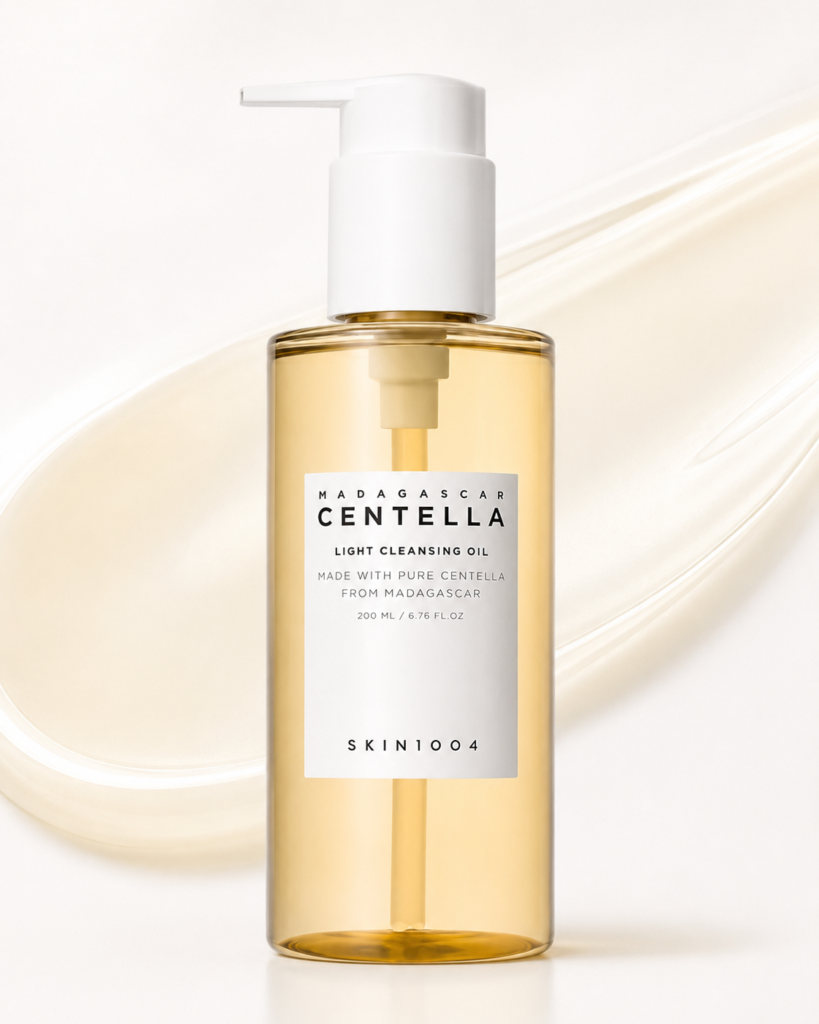
SKIN1004 Madagascar Centella Light Cleansing Oil.
Hydrating Toner or Essence
This is the step that makes Korean skincare feel different from a basic routine.
A Korean toner or essence is not the same as an old-school drying toner. It is usually a lightweight, watery product that adds hydration and helps your skin feel more comfortable before moisturizer.
This step is useful if your skin feels tight, dull, dehydrated, or easily irritated. Look for ingredients like:
- glycerin
- panthenol
- hyaluronic acid
- beta-glucan
- Centella asiatica
- green tea
- rice extract
Do you absolutely need this step? No. But if your skin often feels dry even after moisturizer, a hydrating toner or essence can make your routine feel much better.
Serum or Ampoule
A serum or ampoule is where you target one specific concern. The key word is one. Beginners do not need five serums. Choose based on what your skin needs most. For dehydration, look for hyaluronic acid, glycerin, or beta-glucan. For redness or sensitivity, look for Centella, panthenol, or green tea. For dullness, look for vitamin C, niacinamide, or rice extract. For oiliness and pores, niacinamide is a good starting point. For blackheads or congestion, salicylic acid can help, but introduce it carefully.
If your routine is completely new, skip strong actives at first. Let your skin adjust to cleanser, hydration, moisturizer, and SPF before adding treatment serums.
Moisturizer
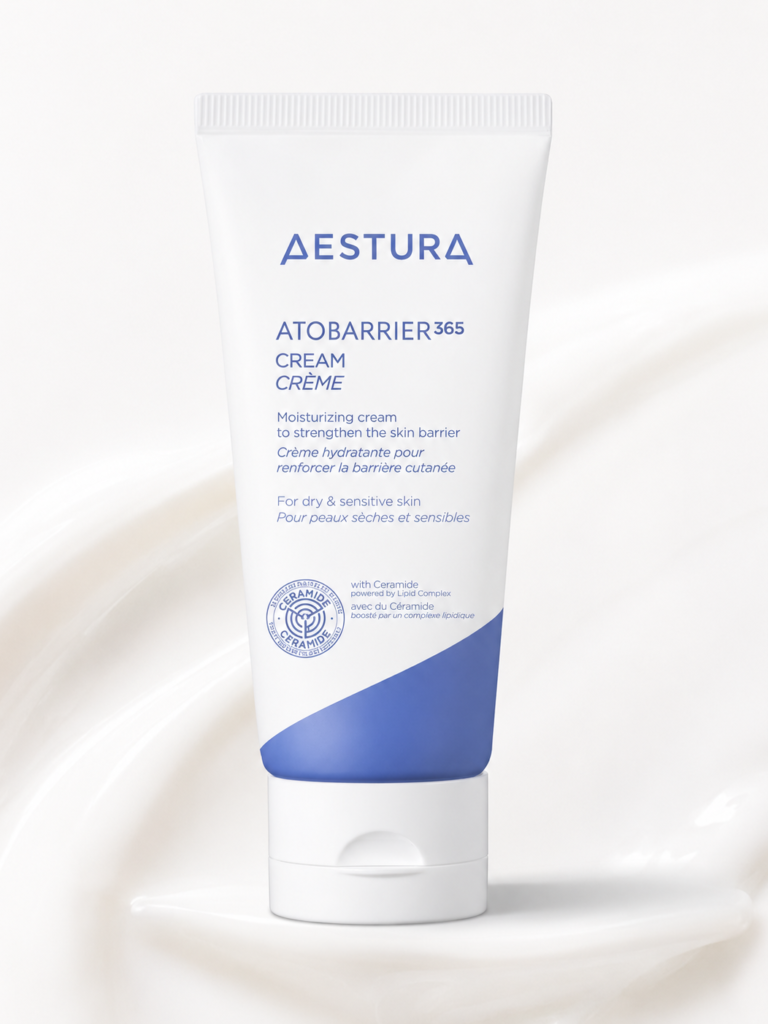
Moisturizer seals in hydration and supports your skin barrier. Korean moisturizers come in different textures, which is why they can work for many skin types. Gel creams are better for oily or combination skin. Creams are better for dry or sensitive skin. Barrier creams are better when your skin feels irritated, tight, or over-exfoliated. If your skin is dry or sensitive, look for ingredients like ceramides, panthenol, squalane, glycerin, and fatty acids. If your skin is oily, choose a lightweight gel or lotion texture instead of a rich cream.
For beginners, a good Korean moisturizer is one of the smartest products to start with because it fits into almost every routine:
Sunscreen
Sunscreen is non-negotiable in a Korean skincare routine. A routine focused on glow, brightening, hydration, or anti-aging will not do much long-term if your skin is unprotected every morning. Korean sunscreens are popular because many formulas feel lightweight and comfortable enough for daily use.
For oily skin, look for gel, fluid, or semi-matte sunscreens. For dry skin, look for hydrating cream sunscreens. For sensitive skin, look for fragrance-free options or mineral formulas if chemical filters bother you. The best sunscreen is not the one with the prettiest packaging. It is the one you will actually wear every day.
A good beginner-friendly Korean SPF option is
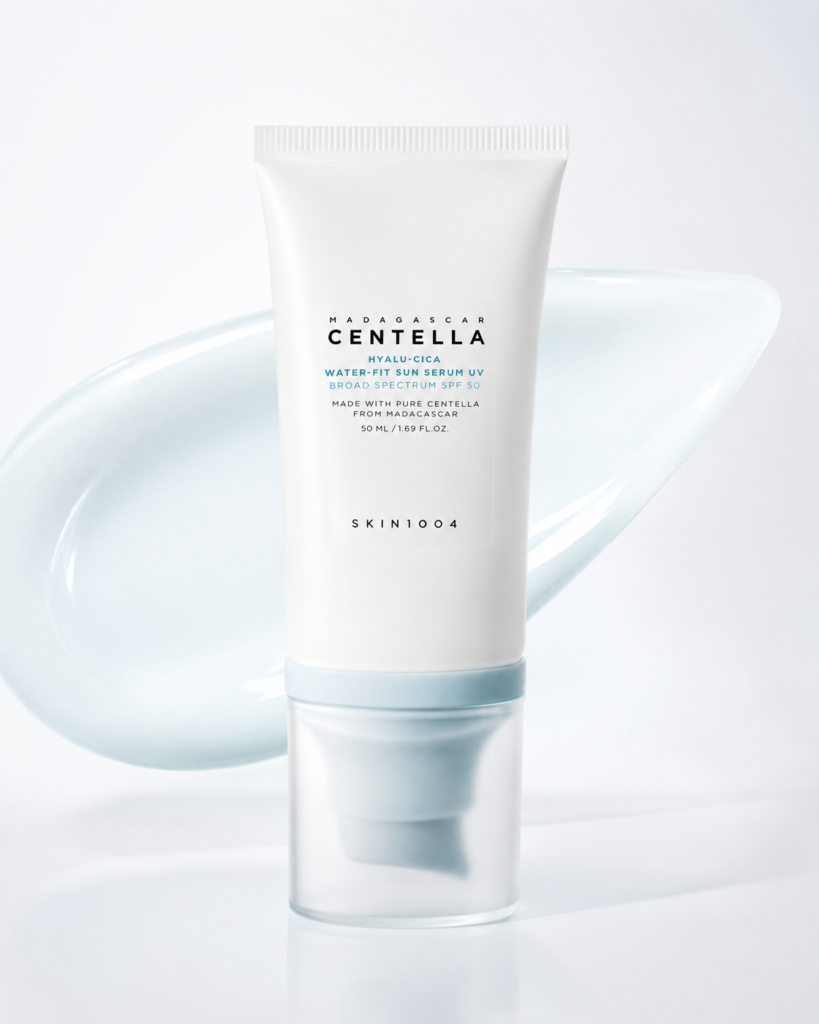
SKIN1004 Madagascar Centella Hyalu-Cica Water-Fit Sun Serum SPF50+ PA++++
It has a lightweight serum texture, gives high daily protection, and fits well into a simple Korean morning routine without feeling heavy.
Simple Morning Korean Skincare Routine for Beginners
Keep your morning routine simple. The goal is hydration, comfort, and sun protection.
Step 1: Gentle cleanser or rinse with water
Step 2: Hydrating toner or essence
Step 3: Serum, optional
Step 4: Moisturizer
Step 5: Sunscreen
If your skin is oily, you may not need both moisturizer and a hydrating sunscreen. If your skin is dry, you may need both. If you feel overwhelmed, start with only cleanser, moisturizer, and SPF. Add the toner or essence later if your skin still feels dehydrated.
Simple Night Korean Skincare Routine for Beginners
At night, the goal is to remove sunscreen, cleanse properly, hydrate, and support your barrier.
Step 1: Oil cleanser or cleansing balm, if you wore sunscreen or makeup
Step 2: Gentle water-based cleanser
Step 3: Hydrating toner or essence
Step 4: Serum, optional
Step 5: Moisturizer
Double cleansing is one of the most well-known Korean skincare habits, but you do not need to do it every night if you did not wear sunscreen or makeup. If you wear SPF daily, an oil cleanser or cleansing balm can help remove it more thoroughly before your regular cleanser.
What You Can Skip at First
Sheet Masks: Sheet masks can be fun, but they are not essential. They are an extra, not the base of the routine. Use them if you enjoy them, but do not treat them as a must-have.
Exfoliating Pads: Exfoliating pads are popular, but beginners should be careful with them. Used too often, they can leave your skin dry, stingy, or irritated. If your skin is sensitive or your barrier is already stressed, skip exfoliating pads until your basic routine is stable.
Multiple Essences: You do not need several essences. One hydrating toner or essence is enough.
Too Many Serums: This is where beginners usually overdo it. You do not need a niacinamide serum, vitamin C serum, calming ampoule, exfoliating serum, and brightening treatment all at once. Pick one main concern and choose one serum.
Sleeping Masks: Sleeping masks can be useful for dry skin, but they are optional. A good moisturizer already does most of the work. You can add a sleeping mask later if your skin still feels dry at night.
How to Choose Korean Skincare for Your Skin Type
Oily and Acne-Prone Skin
Choose lightweight gel textures, watery essences, and non-heavy moisturizers. Avoid rich creams, heavy sleeping masks, and too many layers. Good ingredients to look for: niacinamide, green tea, Centella, panthenol, and salicylic acid if your skin tolerates it. For a full routine built around oily and breakout-prone skin, read: Night skincare routine for oily and acne-prone skin.
Dry Skin
Dry skin usually does well with Korean skincare because many formulas focus on hydration and comfort. Look for hydrating toners, nourishing creams, and barrier-supporting ingredients like glycerin, ceramides, squalane, panthenol, and beta-glucan. If your skin is always tight or flaky, this guide may help too: Skincare routine for dry skin: What actually works.
Sensitive Skin
Sensitive skin should start simple. Avoid fragrance-heavy products, strong exfoliating pads, and too many actives. Look for calming ingredients like Centella asiatica, panthenol, madecassoside, beta-glucan, and ceramides. If your skin reacts easily, read: How to build a simple skincare routine for sensitive Skin.
Combination Skin
Combination skin usually needs balance. Use lightweight hydration, then adjust moisturizer depending on the area. Your cheeks may need more moisture, while your T-zone may need lighter textures. If this sounds like your skin, read: Skincare routine for combination skin: How to balance oily and dry areas.
Damaged Skin Barrier
If your skin is burning, stinging, peeling, or reacting to products that used to feel fine, do not start a complicated Korean routine.
Focus on repair first:
- gentle cleanser
- calming toner or essence
- barrier-supporting moisturizer
- sunscreen
- no exfoliants or strong actives until your skin calms down
This guide explains the signs in more detail: How to know If your skin barrier is damaged and how to fix it.
Common Korean Skincare Mistakes Beginners Make
Starting with too many products. A full routine may look exciting, but if you add five new products at once, you will not know what is helping and what is causing problems.
Copying someone else’s routine exactly. Your skin type, climate, budget, and concerns matter. A routine that works for dry skin may be too heavy for oily skin.
Exfoliating too often. Exfoliating pads and peeling products can be useful, but not every day and not when your skin is already irritated.
Skipping sunscreen. Korean skincare is built around prevention and consistency. SPF is part of that.
The Bottom Line
Korean skincare does not have to mean a ten-step routine.
For beginners, the best approach is simple: cleanse gently, hydrate well, moisturize, and wear sunscreen every morning. Start with the basics before adding essences, ampoules, masks, exfoliants, or multiple serums. The goal is not to own the most products. The goal is to build a routine your skin actually likes.
If your routine is making your skin irritated, sticky, congested, or overwhelmed, simplify it. Start small. Add one product at a time. Give your skin a few weeks before judging. That is how Korean skincare becomes helpful instead of confusing.