
Dry skin is one of the most consistently frustrating skin types to manage. It feels tight after cleansing no matter what cleanser you use, your moisturizer wears off by midday, makeup clings to flaky patches, and adding richer products often just sits on the surface without actually helping. The cycle repeats every morning, regardless of how much you spend on skincare.
The good news is that dry skin responds well to the right approach, but the right approach is different from what most generic skincare advice recommends. This guide covers what actually causes persistently dry skin, how to build a routine that addresses it, and which ingredients make the biggest difference.
Affiliate disclosure: This post contains affiliate links. As an Amazon Associate, I earn from qualifying purchases at no extra cost to you.
Dry Skin vs. Dehydrated Skin – Why This Matters
Before getting into the routine, this distinction is essential because the two are not the same and they respond to different things.
Dry skin is a skin type. It produces less oil than other skin types do, which means it lacks the lipids that help retain moisture and protect the barrier. Dry skin tends to be a long-term characteristic, often genetic, and it shows up as flakiness, tightness, and roughness even when hydration levels are normal.
Dehydrated skin is a temporary condition that any skin type can have. It’s a lack of water in the skin, not oil, and it can affect oily, combination, or normal skin just as easily as dry skin. Dehydration shows up as tightness right after cleansing, a slightly sunken appearance, and skin that drinks up product and immediately wants more.
A lot of people have both dry skin that’s also dehydrated which means they need to address both oil deficiency and water deficiency in their routine.
What Causes Dry Skin to Get Worse
Genetics set the baseline, but several factors can push dry skin from mildly dry to chronically uncomfortable.
Harsh cleansers. Foaming cleansers, sulfate-heavy formulas, and anything that leaves skin feeling tight after washing are stripping the lipids that dry skin already produces in short supply. This is the single most common mistake people with dry skin make in their routine.
Cold weather and central heating. Both pull moisture from the skin continuously, and most people don’t increase their moisturizer’s richness to compensate when seasons change.
Over-exfoliation. Dry skin doesn’t need frequent exfoliation. Once a week is often enough more than that disrupts an already-thin lipid layer.
Hot showers. Hot water strips the skin barrier the same way harsh cleansers do. Lukewarm is the better choice for dry skin, especially in winter.
A compromised skin barrier. Long-term dryness often goes hand-in-hand with a damaged barrier. If your skin is also reactive, sensitive, or stinging when you apply products, the barrier is part of the picture and needs to be addressed first. The signs and the repair process are covered here: How to know if your skin barrier is damaged and how to fix it.
The Dry Skin Routine – Step by Step
Step 1: Cleanser
The cleanser is where dry skin routines most often fall apart. The right cleanser for dry skin should remove what needs to be removed without disrupting the lipid layer the skin is already short on.
Cream and milk cleansers are ideal for dry skin. They cleanse gently, often leave behind a thin layer of nourishing ingredients, and don’t require any rinsing struggle. Foaming and gel cleansers even ones marketed as “hydrating” are usually too active for genuinely dry skin.
What to look for: Cream or milk texture, glycerin, ceramides, plant oils. Fragrance-free is preferable, especially if your skin is also reactive. Avoid sulfates (SLS, SLES) high on the ingredient list.
Morning cleanse: For dry skin, rinsing with lukewarm water is often enough in the morning. Cleansing twice a day with even a gentle formula is more than dry skin needs.
Step 2: Hydrating Toner or Essence
This step matters more for dry skin than for any other skin type. A hydrating toner or essence applied right after cleansing while skin is still slightly damp restores water content to the surface and creates a base for the products that follow.
What to look for: Hyaluronic acid, glycerin, panthenol, niacinamide, or beta-glucan. Avoid alcohol high on the ingredient list, witch hazel, or added fragrance, all three are drying.
Apply with damp hands and pat into the skin rather than rubbing. The goal is absorption, not friction.
Step 3: Hyaluronic Acid Serum
Hyaluronic acid is the most useful active ingredient for dry skin because it directly addresses the water deficiency that often accompanies dryness. It draws water into the skin’s surface and holds it there, giving you a hydrated base before moisturizer.
The key with HA on dry skin is the application method. Apply it to damp skin, not bone-dry skin. Hyaluronic acid pulls water from whatever’s available and if there’s no water on the surface, it can pull from deeper in the skin and actually worsen dryness. Damp skin gives it the water it needs to do its job correctly.
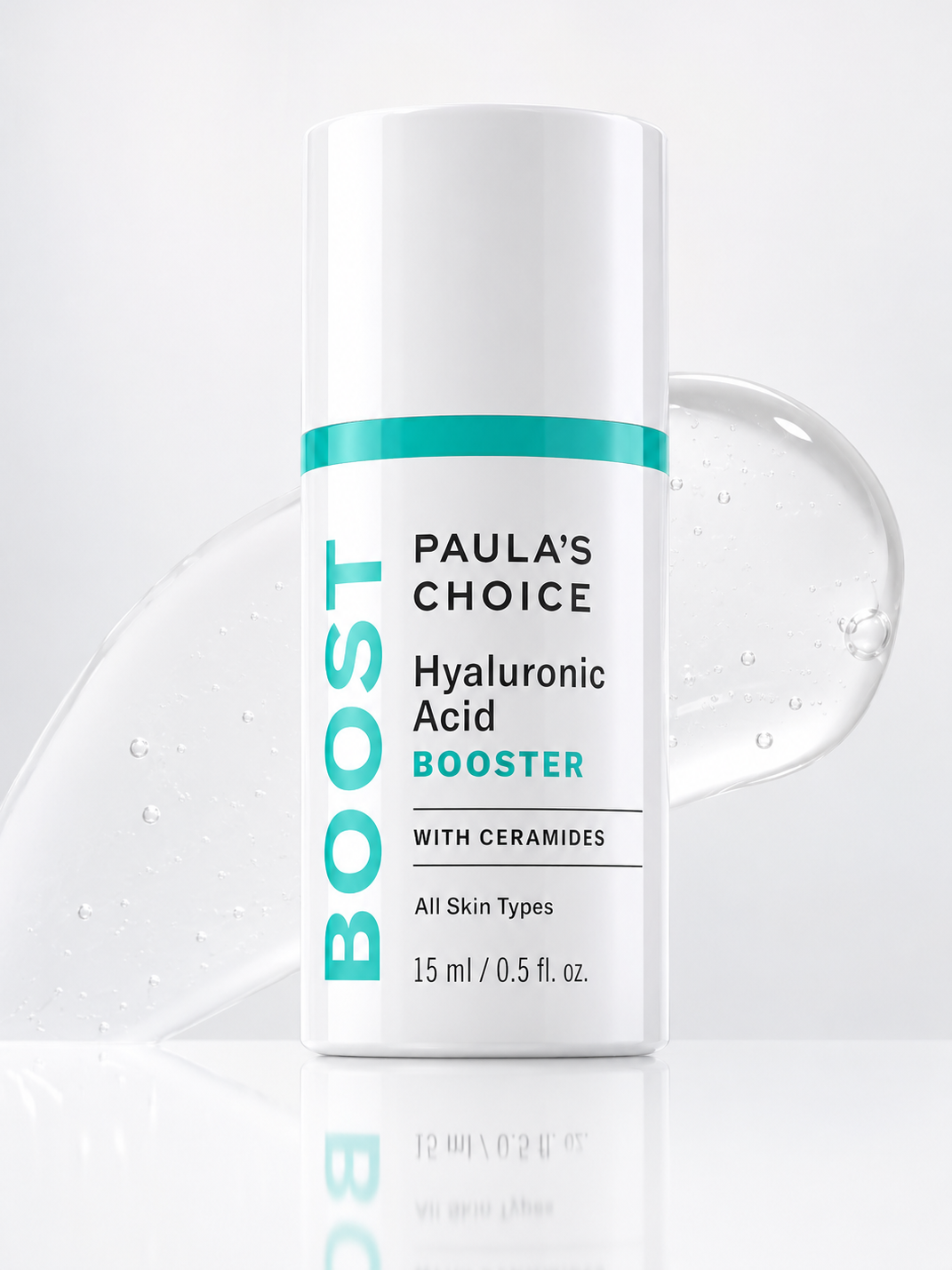
The hyaluronic acid serum I use consistently is Paula’s Choice Hyaluronic Acid Booster lightweight, absorbs immediately, and noticeably improves how my skin holds hydration over the course of the day.
For a full breakdown of how to use hyaluronic acid correctly including the most common mistakes that make it backfire, this covers everything: Hyaluronic scid for beginners: Are you using it wrong?
Step 4: Moisturizer
This is the most important step for dry skin. The moisturizer is what locks in everything underneath and provides the lipids that dry skin doesn’t produce in sufficient quantity on its own.
For dry skin, a richer cream texture works better than a lightweight gel or fluid. The ingredients that matter most are:
- Ceramides directly replace the lipids that dry skin lacks
- Fatty acids and cholesterol work alongside ceramides to rebuild the lipid matrix
- Shea butter, squalane, or jojoba oil provide occlusive protection that prevents moisture loss
- Glycerin and hyaluronic acid hold water in the skin
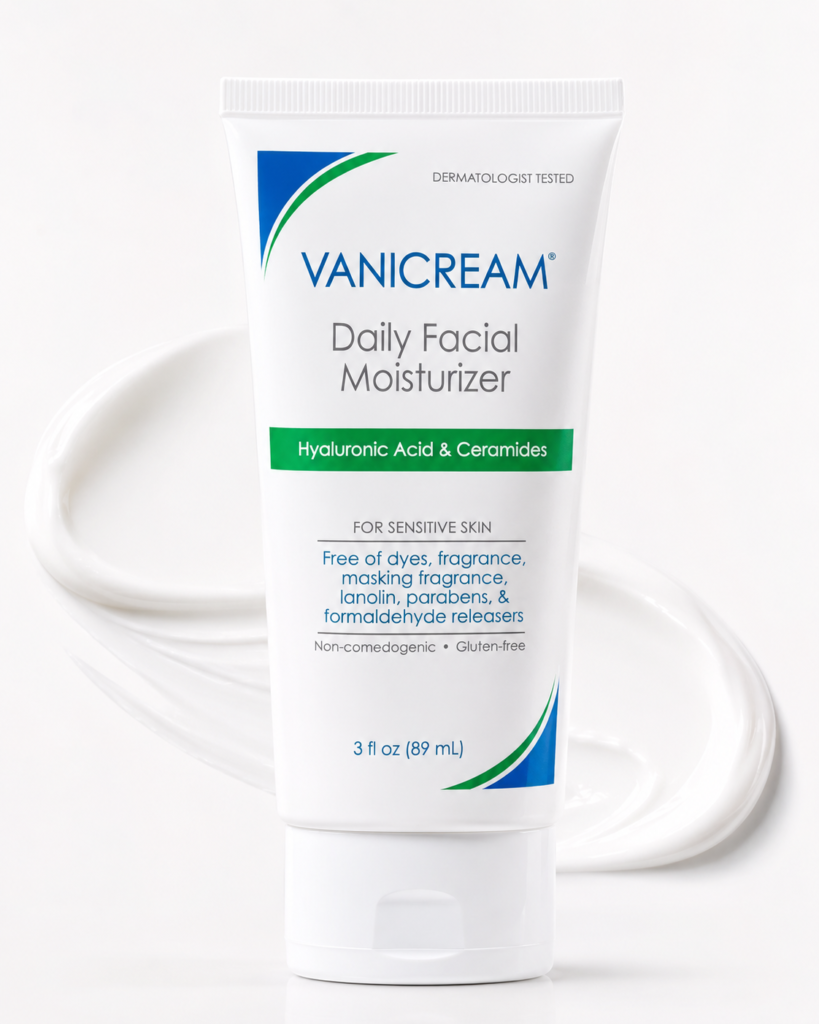
Vanicream Daily Facial Moisturizer is a dermatologist-recommended brand built around formulas for sensitive and reactive skin, free of fragrance, dyes, parabens, and common irritants.
If your skin feels tight, irritated, or over-exfoliated, I also rounded up the best moisturizers for a damaged skin barrier.
For dry skin that also feels sensitive or easily reactive, the best Korean moisturizers for dry and sensitive skin can be a great place to look because many formulas focus on comfort, hydration, and barrier support.
Step 5: SPF
Daily SPF is non-negotiable for dry skin just as it is for every other skin type, but the formula matters more here than usual. Dry skin tolerates hydrating SPF formulas better than mattifying or oil-free ones, which often feel uncomfortable on already-tight skin.
What to look for: A moisturizing sunscreen with hyaluronic acid, glycerin, or other hydrating ingredients alongside the UV filters. Lightweight cream formulas tend to work better than gels or fluids for dry skin. Mineral or hybrid sunscreens are often more comfortable than chemical-only formulas.
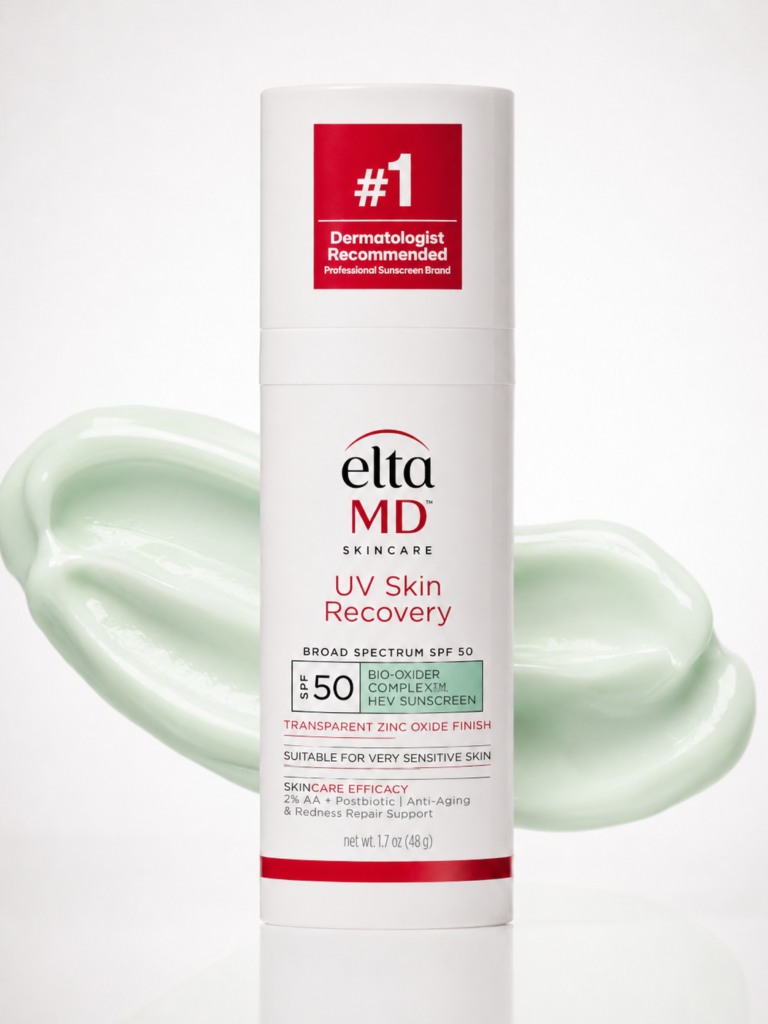
The SPF I use on dry skin days is EltaMD UV Skin Recovery Face Sunscreen, hydrating, no white cast, and it never feels tight or uncomfortable layered over my morning routine.
For a full breakdown of how to choose and use sunscreen correctly, this covers everything: SPF for beginners: How to choose and use sunscreen every day.
Evening Adjustments for Dry Skin
The evening routine follows the same logic as the morning, with a few changes that take advantage of overnight repair.
If you’ve worn SPF or makeup, start with a gentle cleansing balm or oil to dissolve everything, then follow with your regular cleanser. Dry skin tolerates double cleansing well as long as both products are gentle.
The richest moisturizer of the day belongs at night. The skin’s natural repair is most active during sleep, and a more nourishing formula gives the barrier more material to work with. Layering a thin layer of facial oil on top squalane, jojoba, or marula adds an extra occlusive layer for very dry skin in winter.
For actives, dry skin tends to tolerate retinol and exfoliating acids less well than other skin types. Start at low frequency once a week and use them only after your barrier is settled and your basic routine is consistent.
How Long Until Dry Skin Improves?
Most people notice meaningful improvement in dry skin within two to four weeks of a properly built routine softer texture, less tightness, fewer flaky patches, and skin that holds moisture through the day.
Significant improvements in barrier resilience and overall comfort take six to eight weeks. After that point, you can begin introducing actives more confidently, knowing the foundation is solid enough to handle them.
If your skin doesn’t improve within four weeks of a consistently gentle, hydrating routine, the issue is often a damaged barrier rather than dryness alone. Addressing that comes first. For habits that quietly damage the barrier and undermine dry skin recovery, this guide covers the most common ones: Skincare mistakes that are ruining your glow.
The Bottom Line
Dry skin doesn’t need a complicated routine; it needs a hydrating one. Strip out the harsh cleansers, layer in hydration at every step, lock everything in with a properly nourishing moisturizer, and protect with SPF. That’s the framework.
Once that foundation is consistent, you can build outward adding actives, addressing tone or texture concerns, customizing based on what your skin specifically needs. But none of that works if the foundation isn’t right. For dry skin, the foundation is hydration and barrier support, in every step, every day.
For a complete morning and evening routine framework that incorporates these principles alongside everything else, My simple AM & PM skincare routine for glowing skin is the place to start.