
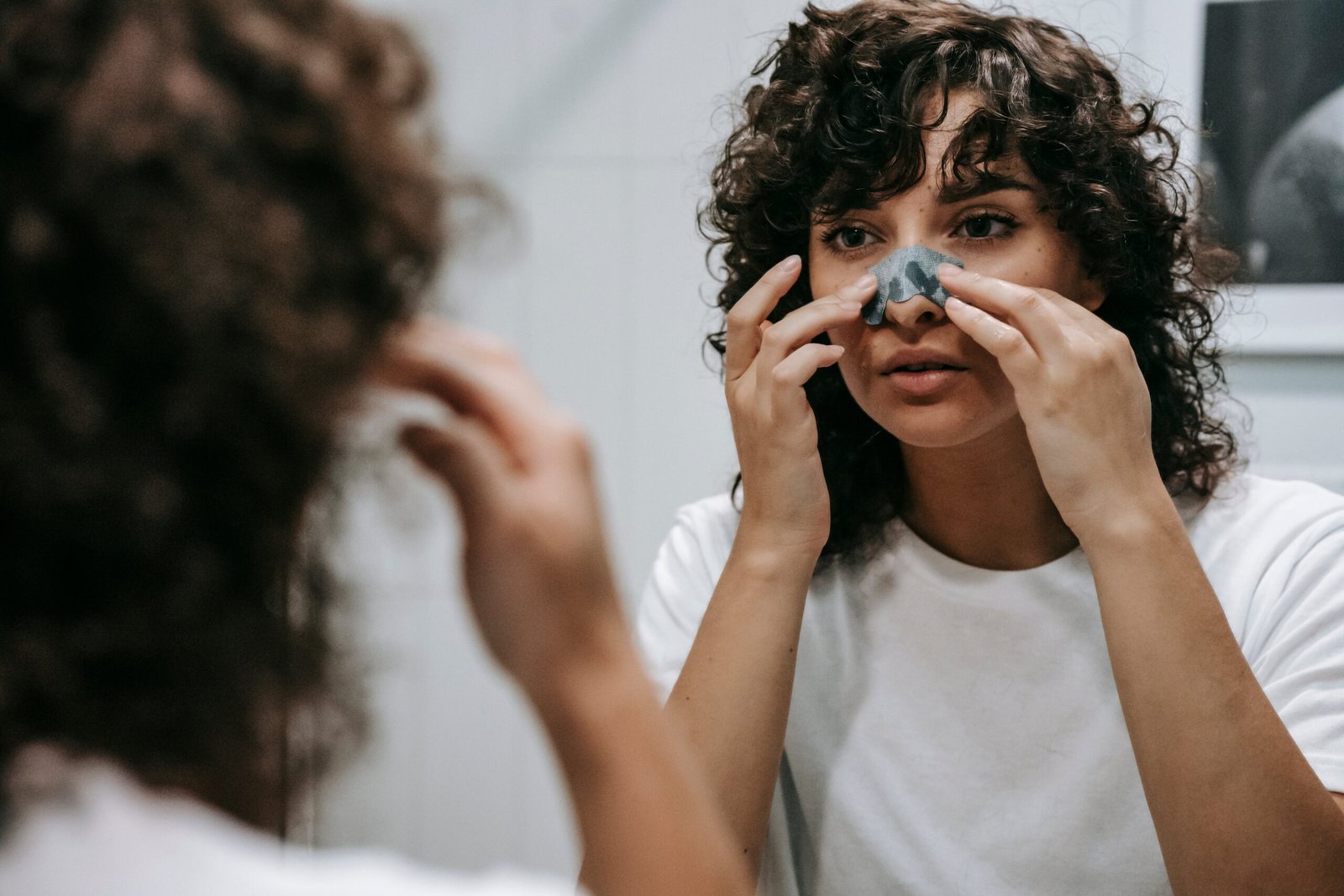
Blackheads are one of the most stubborn, most frustrating skin concerns out there, partly because they keep coming back no matter what you do, and partly because most of the popular methods for removing them either don’t work or actively make the problem worse. Pore strips pull off the surface but leave the actual blockage behind. Scrubs feel satisfying but irritate the skin. Squeezing them at home damages the pore and makes new ones more likely.
The good news is that blackheads respond well to the right ingredients used consistently. The bad news is that there’s no overnight fix, the surface ones can clear in days, but lasting results require a routine that addresses why they form in the first place.
This guide covers what blackheads actually are, what causes them, the ingredients that genuinely clear them, and how to build a routine that keeps new ones from forming on the other side.
Affiliate disclosure: This post contains affiliate links. As an Amazon Associate, I earn from qualifying purchases at no extra cost to you.
What Are Blackheads, really?
Blackheads are a form of acne specifically, open comedones. A pore gets clogged with a mixture of oil (sebum), dead skin cells, and bacteria. Because the pore is open at the surface, that mixture is exposed to air, and oxidation turns it dark. That dark color isn’t dirt and it isn’t trapped pollution, it’s just oxidized sebum.
This is important because it explains why scrubbing doesn’t remove them. The dark spot is inside the pore, not on the surface. You can scrub the skin raw and the blackhead will still be there because the actual blockage is below where any cleanser can reach.
It also explains why blackheads tend to come back even after extraction. The pore that produced the blockage is still there, still producing sebum, and still going to clog again unless something changes the conditions that caused it.
What Actually Causes Blackheads
Several factors lead to blackheads, and most people have a combination of them rather than a single cause.
Excess sebum production. Skin that produces more oil than the pore can clear efficiently creates the raw material for blackheads. This is why oily and combination skin types are more prone to them than dry skin types.
Dead skin cell buildup. When the skin doesn’t shed cells efficiently, those cells mix with sebum inside the pore and create the blockage. This is why exfoliation done correctly is one of the most effective tools against blackheads.
Hormones. Blackheads often appear or worsen during periods of hormonal fluctuation puberty, menstrual cycles, stress, pregnancy. The skin produces more sebum during these periods, and pores clog faster.
Beyond these biological causes, certain habits and product choices make blackheads worse, those are covered later in the article, in the section on what doesn’t work.
The Ingredients That Actually Work on Blackheads
There’s a small group of ingredients with strong evidence for clearing blackheads and preventing new ones. Used consistently, they address both the existing blockages and the conditions that create them.
Salicylic Acid (BHA)
Salicylic acid is the single most effective ingredient for blackheads. Unlike most exfoliants, salicylic acid is oil-soluble which means it can penetrate inside the pore, where the blockage actually is, and break it down from within.
It also has anti-inflammatory properties, regulates oil production over time, and helps clear the dead skin cells that contribute to clogging in the first place. For blackheads, nothing in the OTC skincare world works as reliably.
What it does:
- Penetrates inside the pore to break down blockages
- Exfoliates dead skin cells that contribute to clogging
- Regulates oil production with consistent use
- Reduces inflammation around active breakouts
How to use it: Start with a 1-2% leave-on BHA two to three times a week, evenings only. Build up to nightly use if your skin tolerates it. Apply to dry skin after cleansing, before moisturizer.
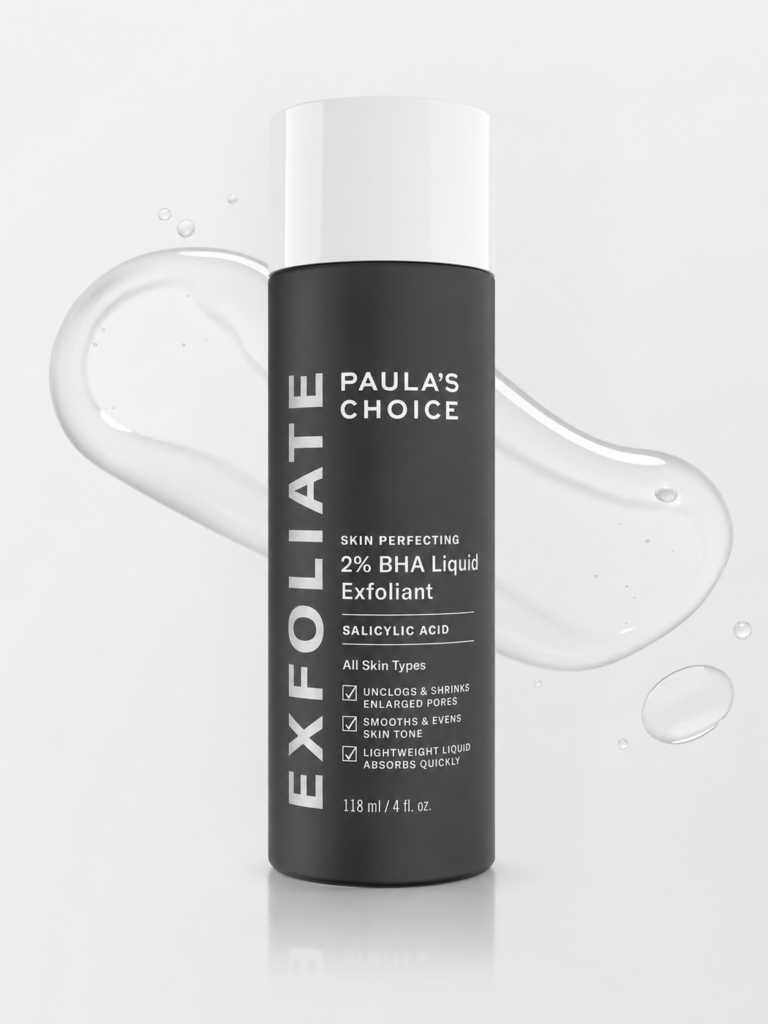
The BHA I use consistently is Paula’s Choice Skin Perfecting 2% BHA Liquid Exfoliant that’s cleared my blackheads more reliably than anything else I’ve tried, and gentle enough that I can use it most nights without irritation.
If you’re new to BHA or your skin gets dry easily, my full guide on Salicylic acid for beginners explains how to use it without overdrying your skin.
Retinol
Retinol speeds up cell turnover, which means dead skin cells reach the surface and shed before they have a chance to clog pores. Over time, this reduces both existing blackheads and the formation of new ones.
Retinol works on a longer timeline than BHA meaningful results take eight to twelve weeks of consistent use, but the cumulative effect on pore appearance and texture is significant.
How to use it: Evening, two to three nights a week to start, building up gradually. Not on the same night as BHA (more on combining these below). For the full beginner guide: Retinol for Beginners: How to Start Without Irritation.
Niacinamide
Niacinamide doesn’t clear blackheads directly, but it does regulate sebum production, which addresses one of the root causes. With consistent use, niacinamide reduces oil overproduction, minimizes the appearance of enlarged pores, and supports the barrier in a way that makes other acne treatments more tolerable.
How to use it: Morning, evening, or both. Layers well with almost everything. For the full breakdown: Niacinamide: What It Does for Your Skin and How to Use It the Right Way.
A Gentle Cleanser
The cleanser does more work in a blackhead-prone routine than most people realize. The right cleanser removes excess oil and surface buildup without stripping the skin which matters because stripping the skin actually triggers more oil production as the skin tries to compensate.
For blackhead-prone skin, gel or low-foaming cleansers that don’t leave the skin tight are ideal. Avoid harsh foaming cleansers and physical scrubs.
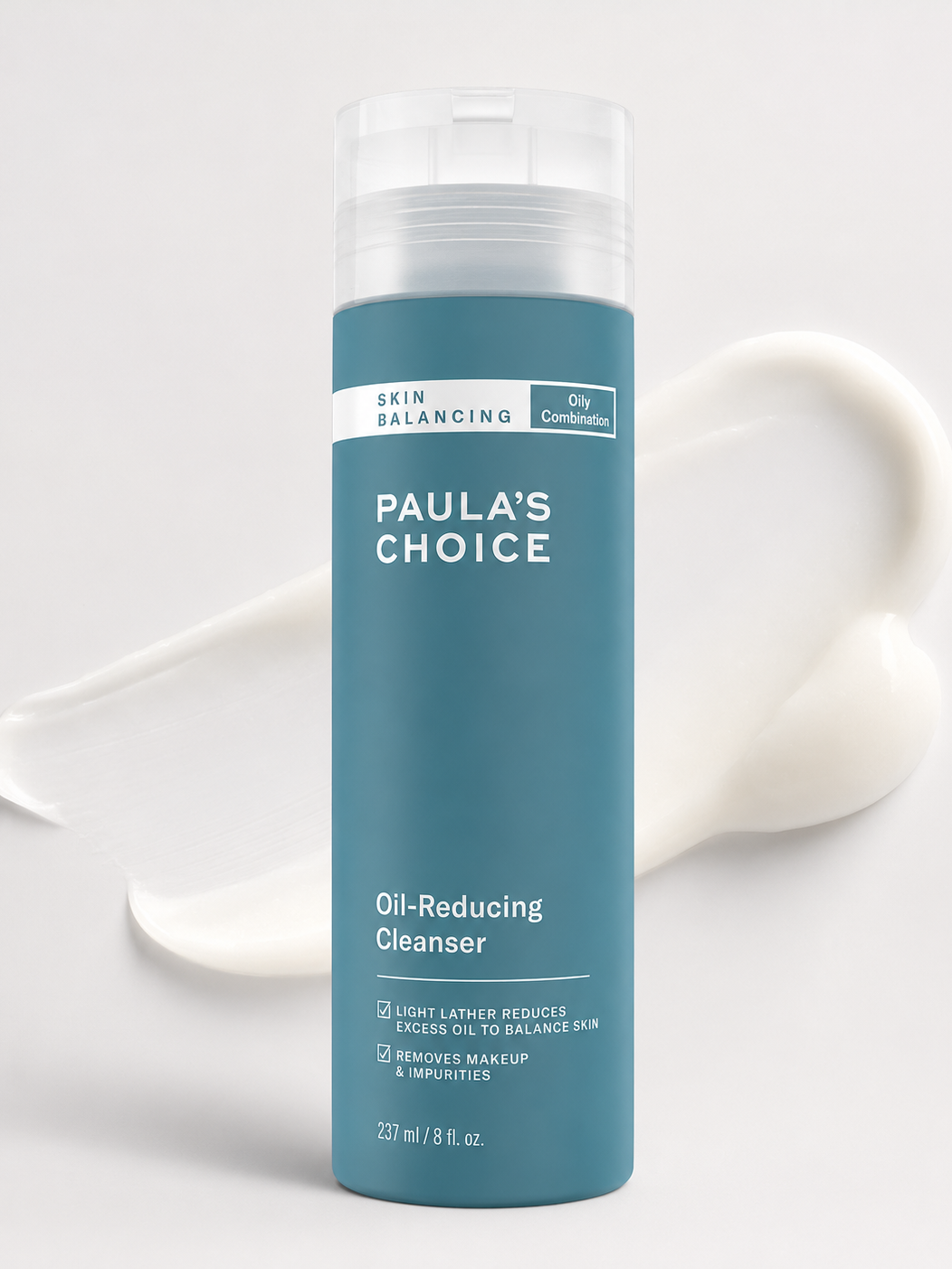
The cleanser I use on blackhead-prone skin is Paula’s Choice SKIN BALANCING Oil-Reducing Cleanser, gentle enough for daily use, effective enough to remove SPF and daily buildup without ever leaving my skin feeling stripped.
A Realistic Routine for Clearing Blackheads
You don’t need every ingredient at once. A focused routine using two or three of these consistently outperforms a complicated routine that overwhelms your skin.
Morning:
- Gentle cleanser
- Niacinamide serum (optional but useful for oil regulation)
- Lightweight, non-comedogenic moisturizer
- Broad-spectrum SPF 30+ (lightweight, oil-free if possible)
SPF matters more than people realize for blackhead-prone skin. UV exposure increases inflammation and oxidative stress, both of which make blackheads worse.
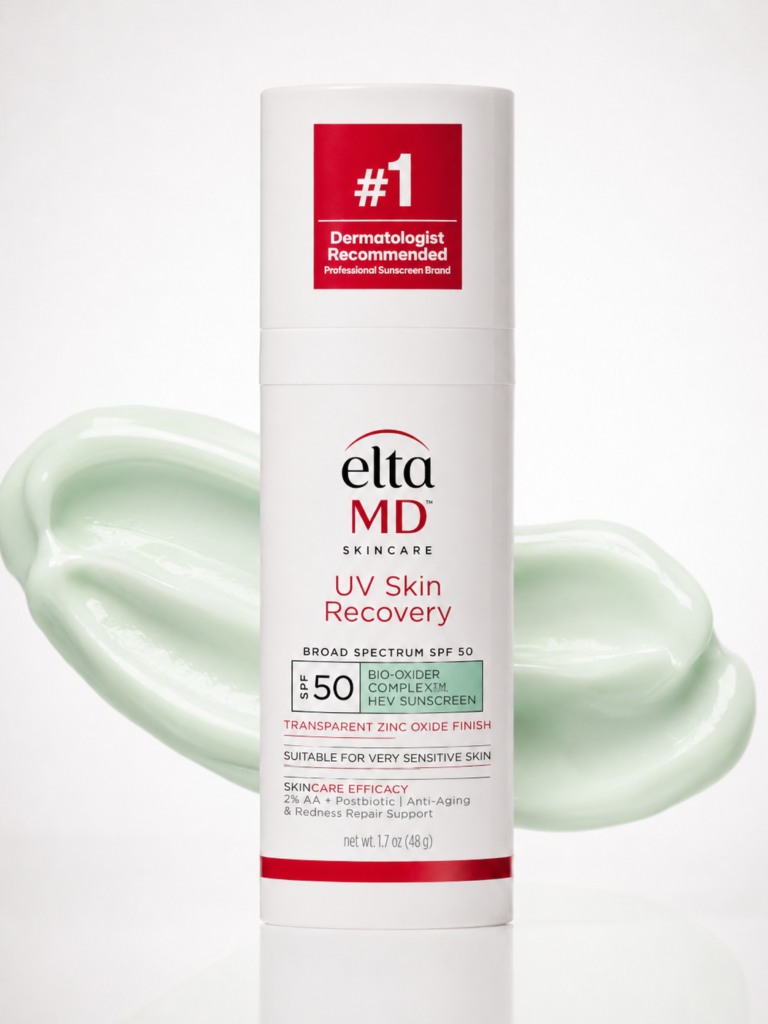
The SPF I use on blackhead-prone skin is EltaMD UV Skin Recovery Face Sunscreen lightweight, non-comedogenic, and it never feels heavy or contributes to congestion.
For lightweight options that work better for congestion-prone skin, see my guide to the best sunscreens for oily and acne-prone skin.
Evening:
- Double cleanse if you’ve worn SPF or makeup (oil-based first, then your regular cleanser)
- Salicylic acid (BHA) two to three nights a week, building up as tolerated
- Retinol two nights a week (not on BHA nights)
- Niacinamide on the nights you’re not using BHA or retinol
- Lightweight moisturizer
Combining BHA and Retinol Safely
This is where most blackhead routines go wrong. BHA and retinol are both effective, but using them in the same evening or alternating without enough recovery time leads to irritation that often makes the skin worse, not better.
The simplest rule: alternate them on different nights. For example, BHA on Monday and Thursday, retinol on Tuesday and Friday, niacinamide or rest nights in between.
If your skin is very reactive, start with only one of them and add the second after four to six weeks of stable use. For the full breakdown of how to layer the most common actives without conflict: How to Layer Niacinamide, Vitamin C, and Retinol Without Conflict.
What Doesn’t Work (And What Makes Things Worse)
Pore strips. They pull off the very top of the blackhead the part that’s already exposed to air and leave the rest of the blockage inside the pore. The visible effect lasts a day or two, and many users report larger or more visible blackheads after repeated use because the strips damage the pore opening over time.
Physical scrubs and rough exfoliators. Walnut shells, sugar scrubs, and rough exfoliating tools irritate the skin and can damage the pore opening making future blackheads more likely. Chemical exfoliation (BHA) is significantly more effective and gentler.
Squeezing or extracting at home. Even when done carefully, squeezing damages the pore and increases the likelihood of inflammation, scarring, or new breakouts in the same spot. Extraction is best left to professionals, and even then, it’s a short-term fix without a routine to support it.
Heavy oils, butters, and occlusive products. Coconut oil, cocoa butter, and other heavy occlusives can trap oil and dead skin inside the pore and make blackheads worse. This applies to skincare, hair products that touch the skin, and even makeup formulas designed for dry skin used on oily, blackhead-prone skin.
Over-cleansing or harsh cleansers. Stripping the skin triggers more oil production as compensation, which makes blackheads worse rather than better. The right cleanser feels comfortable after washing not tight, not squeaky.
For a fuller breakdown of habits that quietly undermine results, this covers them all: Skincare Mistakes That Are Ruining Your Glow.
How Long Until Blackheads Clear?
Surface blackheads can show visible improvement within two to four weeks of consistent BHA use. The skin starts looking smoother, pores look less visible, and existing blockages begin to break down.
For more significant and lasting results including reducing the formation of new blackheads eight to twelve weeks of consistent routine is more realistic. Retinol’s effects compound on a longer timeline, and the full transformation of a chronically blackhead-prone area can take three to six months.
The single most important factor is consistency. Inconsistent use using BHA aggressively for a week, then stopping for two weeks because it irritated the skin produces inconsistent results and often leaves the skin worse off than before.
When to See a Dermatologist
Most blackheads respond well to a consistent at-home routine, but a few situations call for professional input.
Persistent blackheads that don’t improve after three to four months of a well-built routine may benefit from in-office extractions or stronger prescription treatments.
Deep, embedded blackheads that haven’t moved at all despite consistent treatment are often more entrenched than topical ingredients can fully address. A dermatologist can do safe, sterile extractions and recommend prescription options.
Significant cystic acne alongside blackheads. If you’re dealing with painful, deep breakouts in addition to blackheads, the underlying inflammation often needs to be addressed with prescription treatment before topical routines can do much.
If you’re consistently breaking out in the same areas alongside blackheads, this guide covers the most common causes: Why You’re Breaking Out on Your Cheeks and Jaw (And How to Actually Fix It).
The Bottom Line
Blackheads are one of the most fixable skin concerns when you understand what’s actually causing them and use the right ingredients consistently. The catch is that quick fixes don’t work and many of them actively make the problem worse.
The framework that actually works: a gentle cleanser, BHA two to three nights a week, retinol on alternate nights, niacinamide for support, and SPF every morning. Skip the pore strips, skip the scrubs, skip the squeezing. Build slowly, stay consistent, and give it months, not days.
That’s what produces real results, and that’s what keeps the blackheads from coming back once they’re gone.
For a complete morning and evening routine framework that incorporates these principles alongside everything else, My Simple AM & PM Skincare Routine for Glowing Skin is the right place to start.